
 23 Tumanyan St, Yerevan
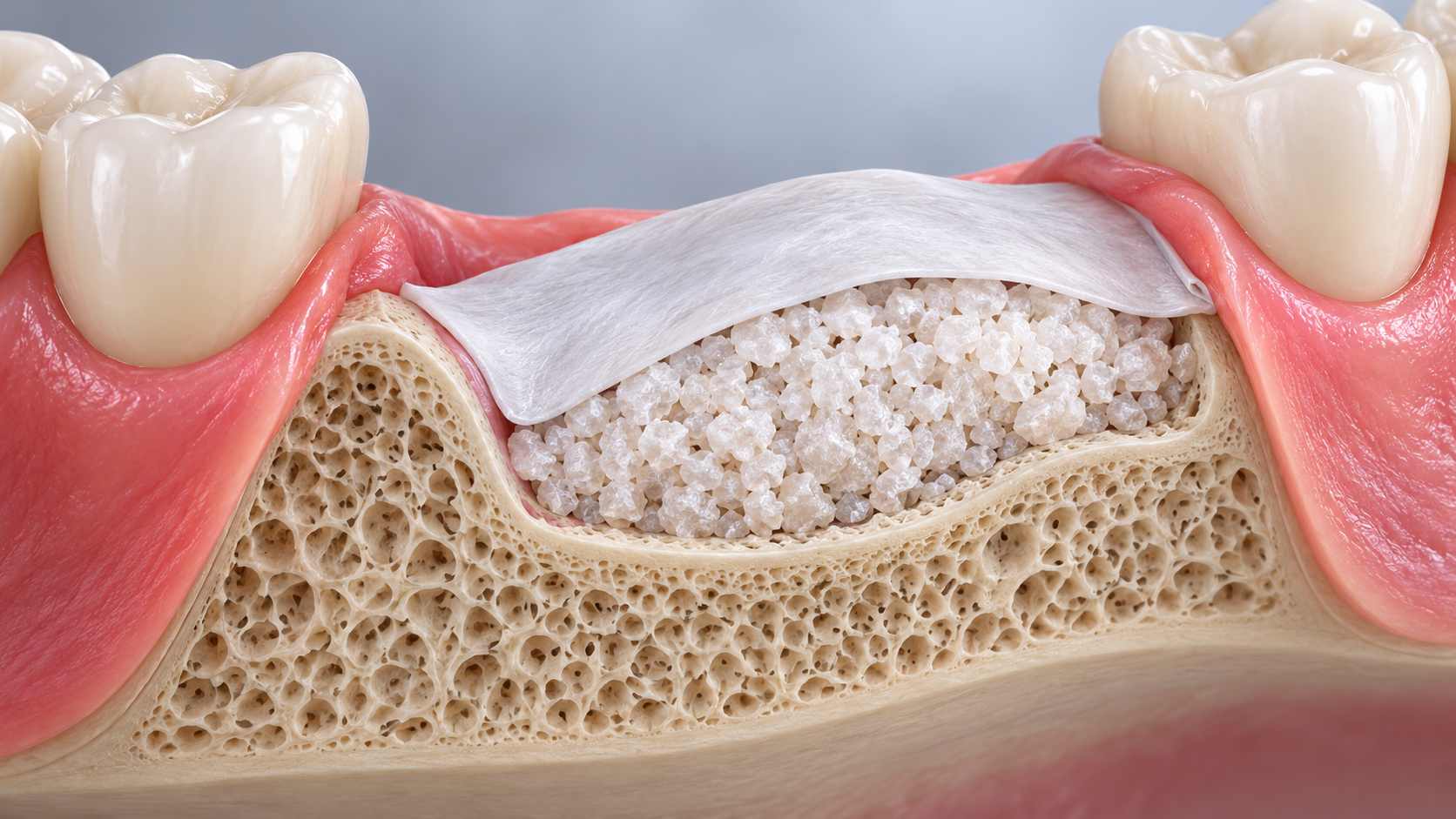
Bone grafting before dental implants: when is it needed?
Understand bone defects, graft materials and membranes, staged treatment, healing, alternatives and warning signs before planning dental implants in Yerevan.
Full Clinic Journal
Practical guides that help you prepare for a conversation with your dentist and understand the next steps.
New article
Understand bone defects, graft materials and membranes, staged treatment, healing, alternatives and warning signs before planning dental implants in Yerevan.
All articles
All published Full Clinic guides in one place.
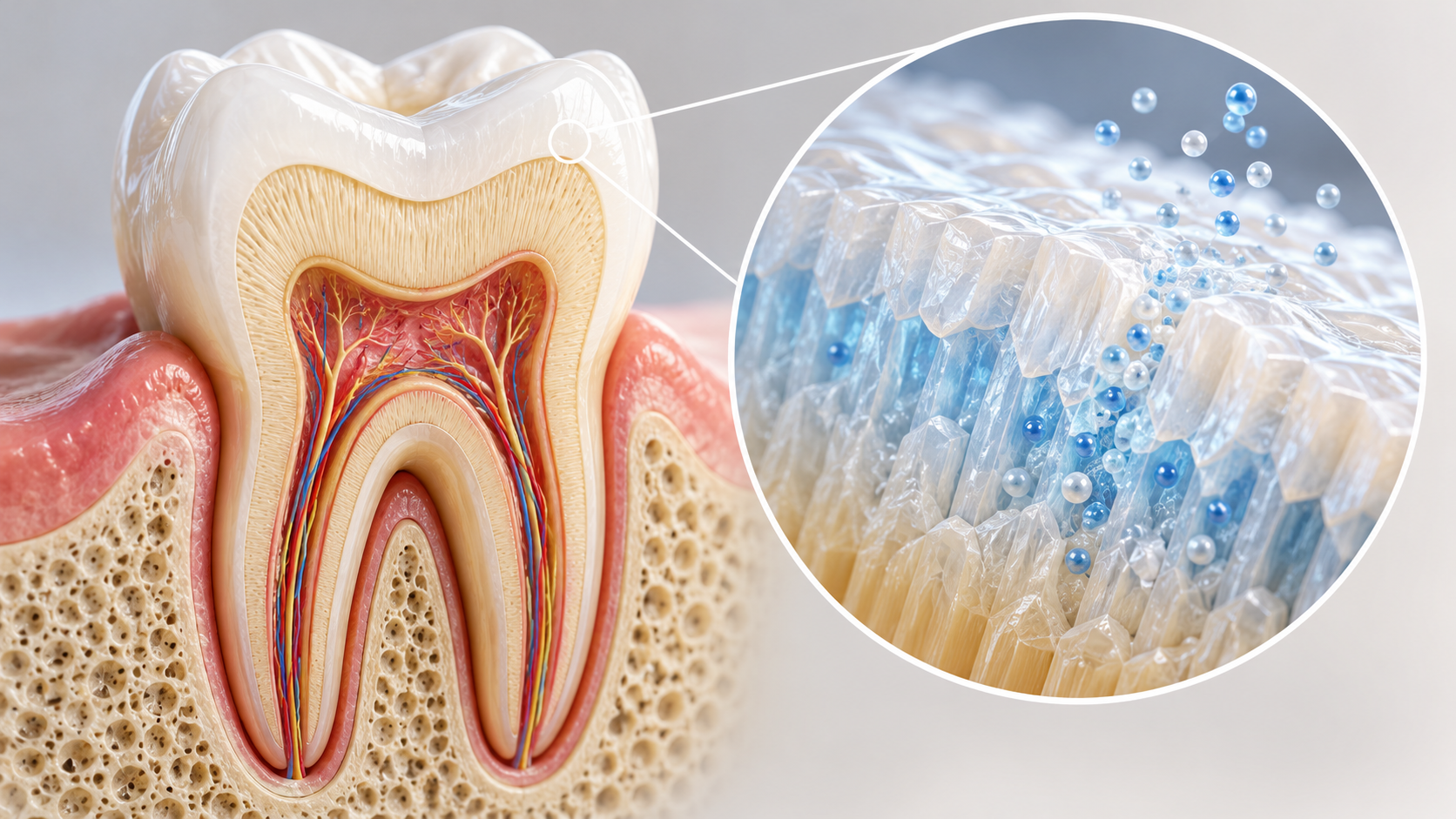
Enamel protects the crown through a densely mineralised structure. Once a tooth has erupted, it cannot grow back a lost layer: the cells that formed enamel are no longer present on
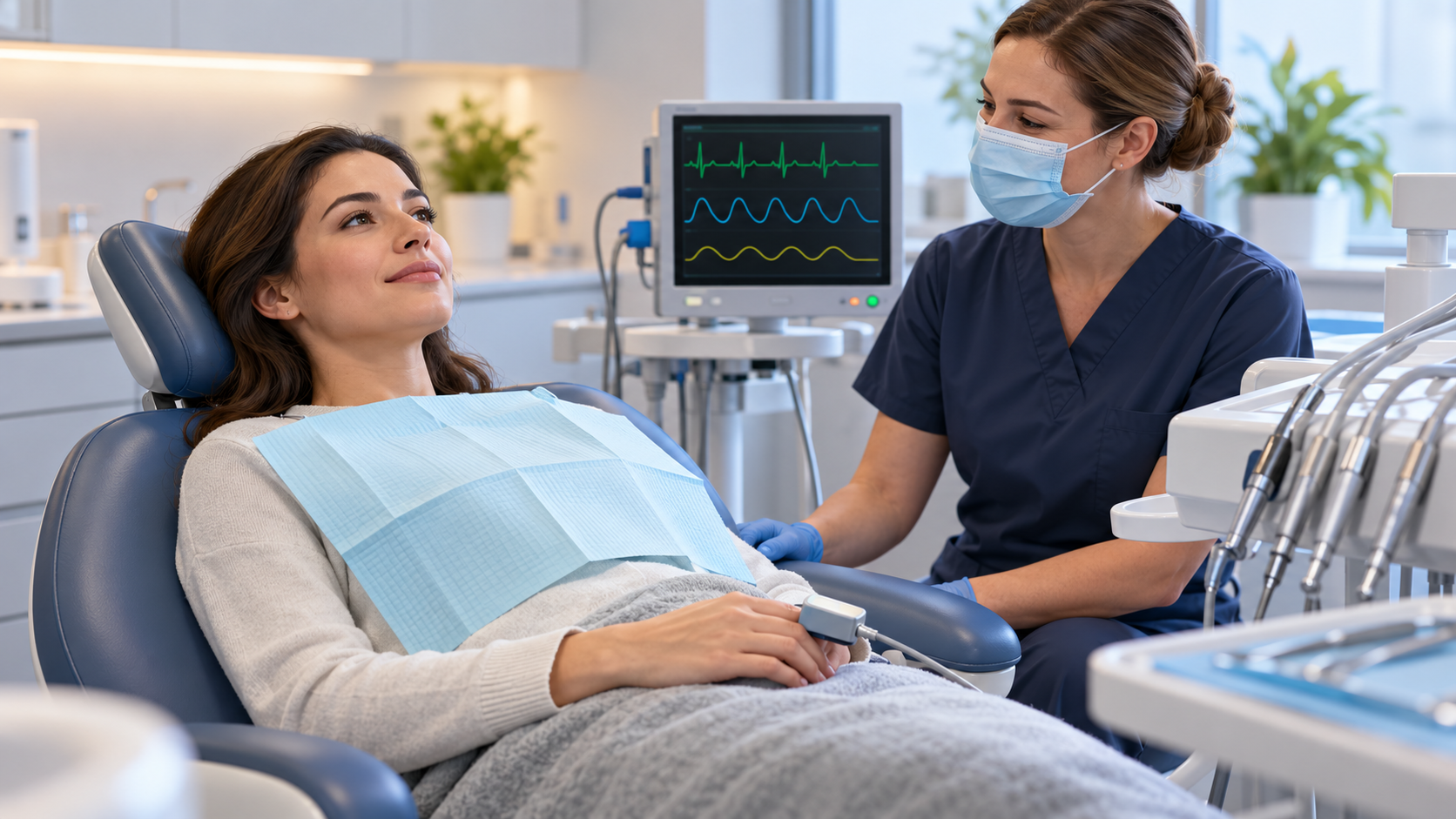
How dental sedation differs from general anaesthesia, who may benefit and how to prepare. Understand monitoring, aftercare, escorts and support for dental anxiety.
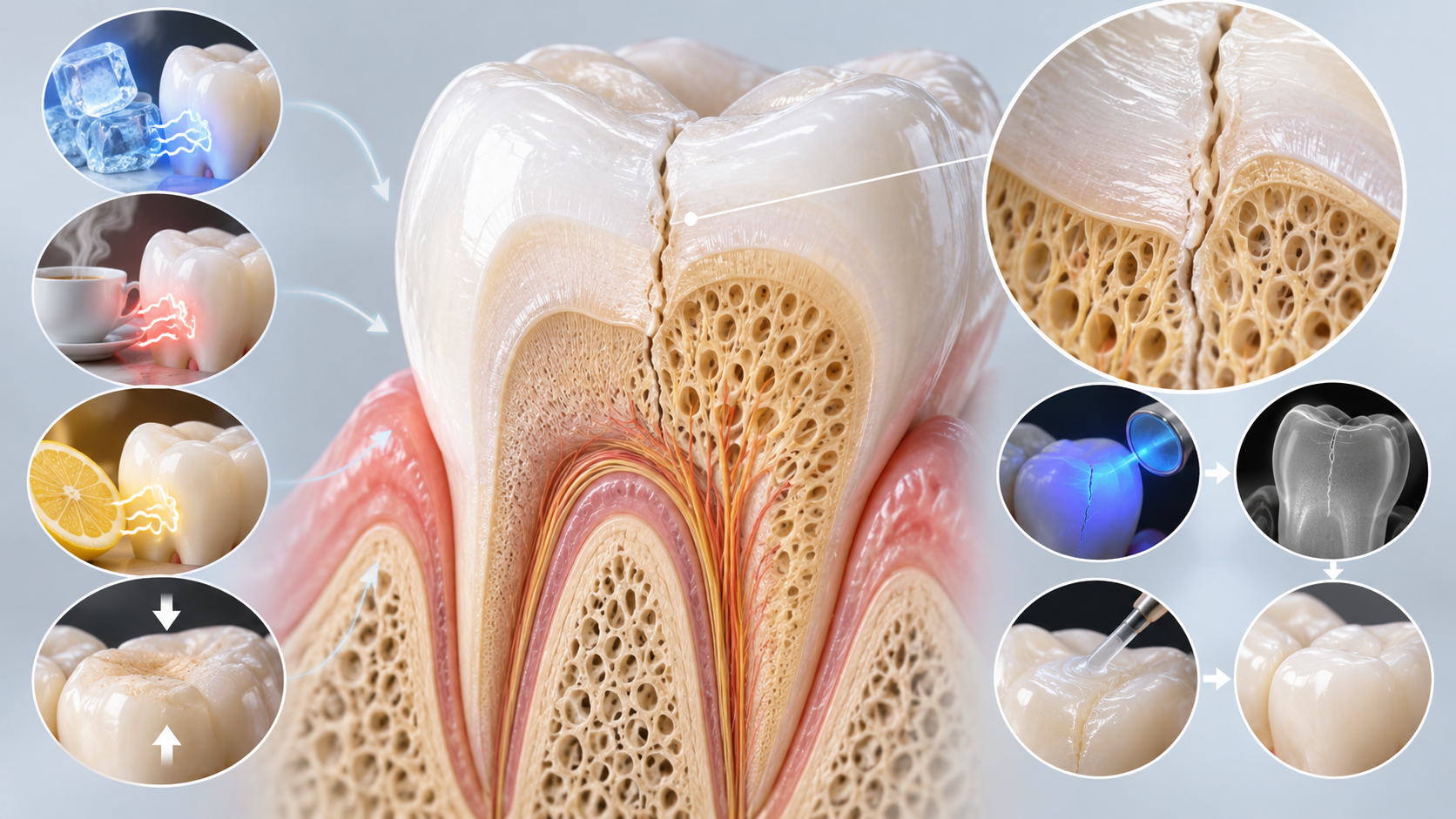
Why a tooth hurts with cold or biting: dentine sensitivity, cervical wear, chips and cracks. Learn about assessment, treatment choices and urgent warning signs.

How diabetes, heart disease, pregnancy and nutrition relate to teeth and gums. Planning dental care, understanding evidence and recognising warning signs.
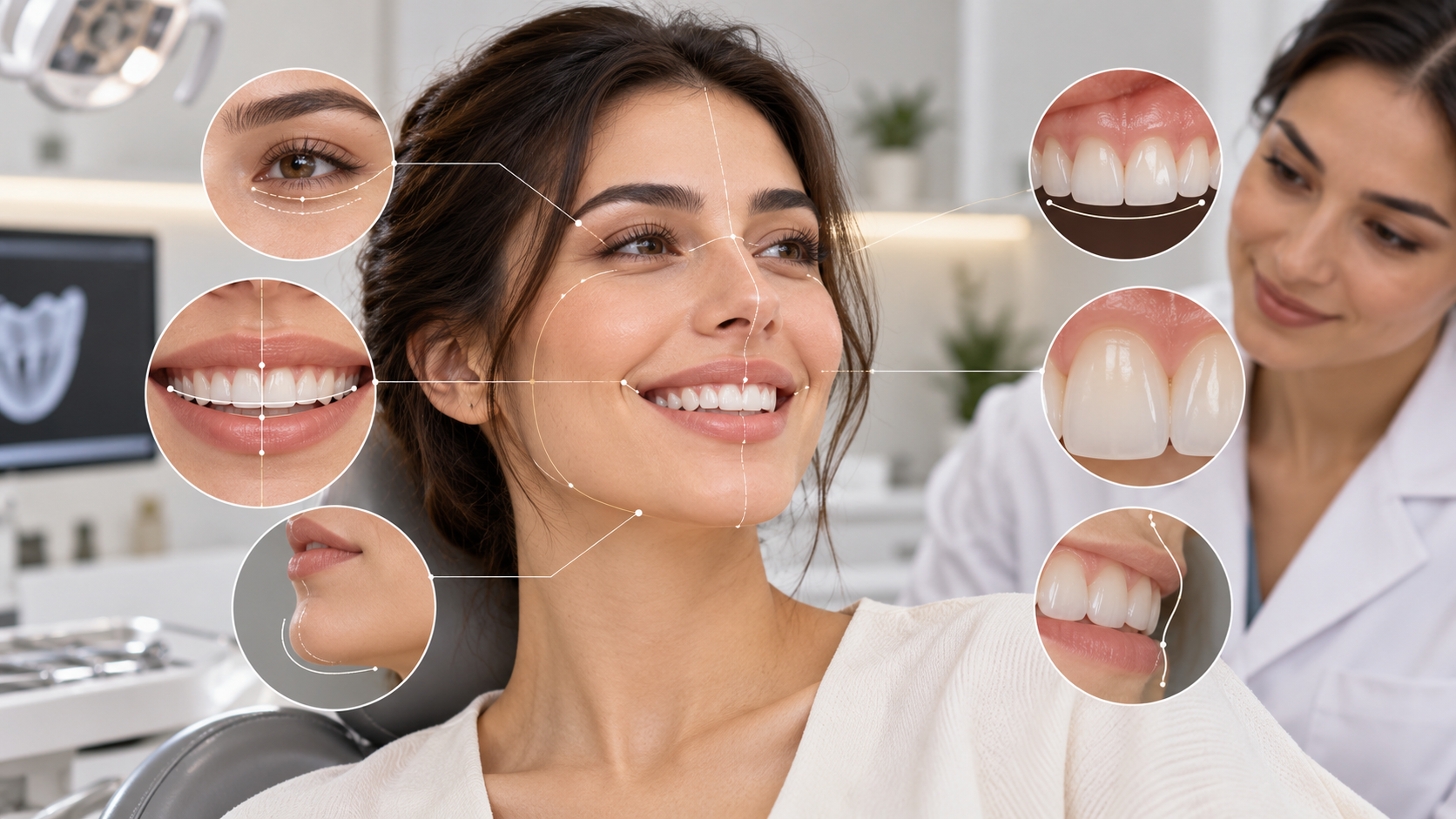
How to discuss tooth colour, shape and position while protecting oral health, speech and everyday comfort.
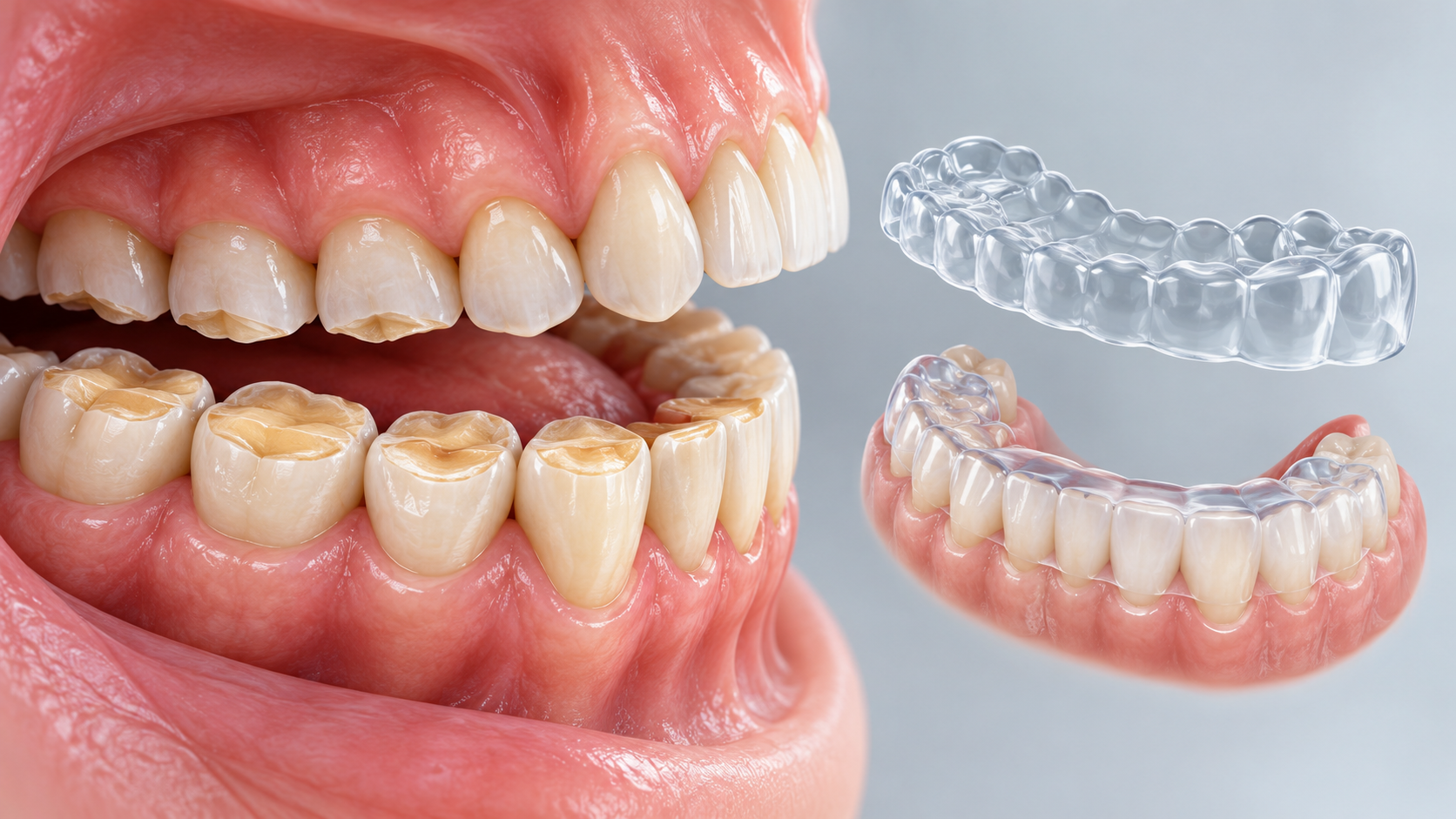
A practical guide to daytime clenching, sleep grinding, assessment and protective splints before restorative treatment.
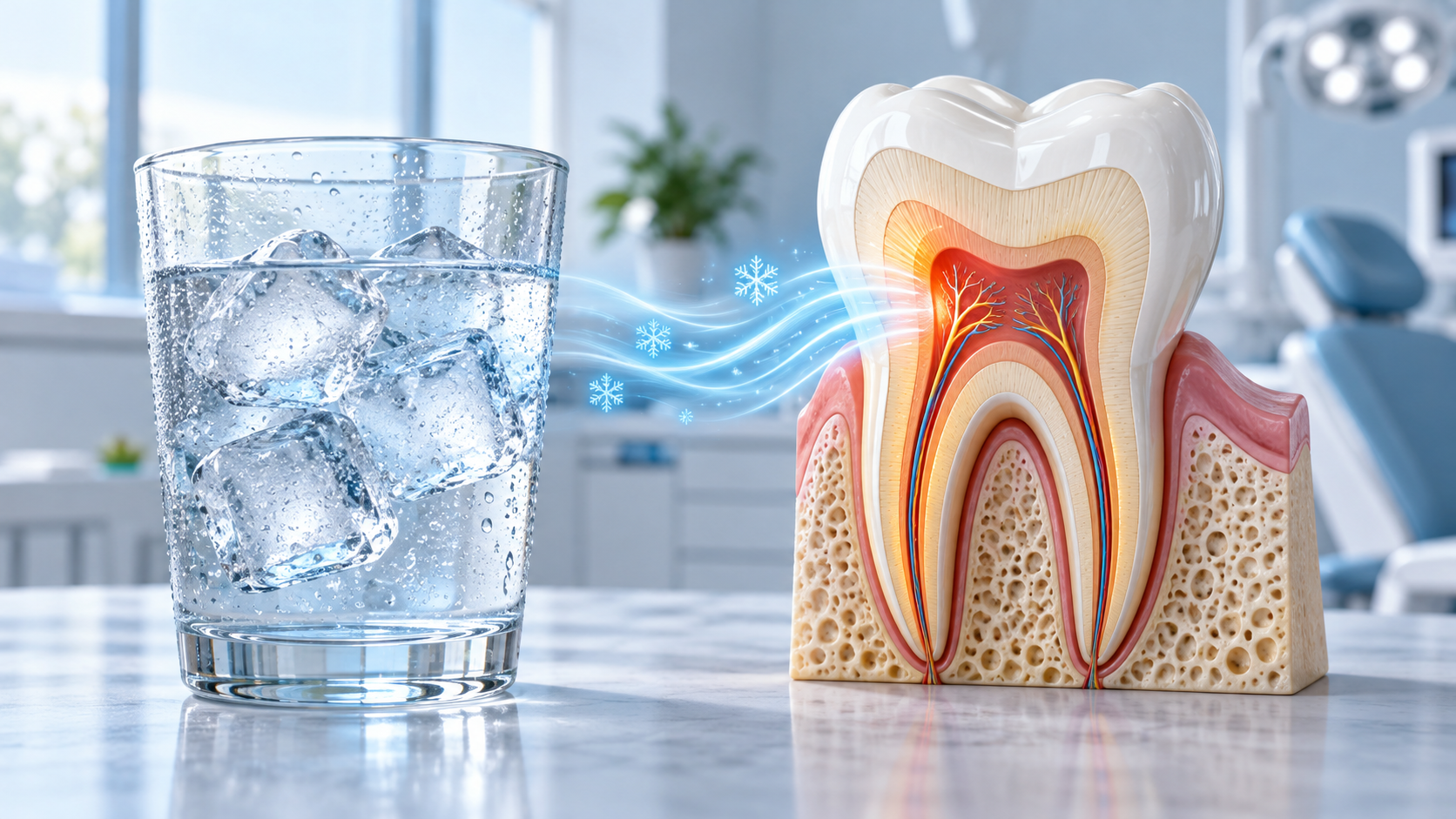
Brief sensitivity, decay, a crack or a pulp problem: what to notice and how to look after the tooth before an examination.
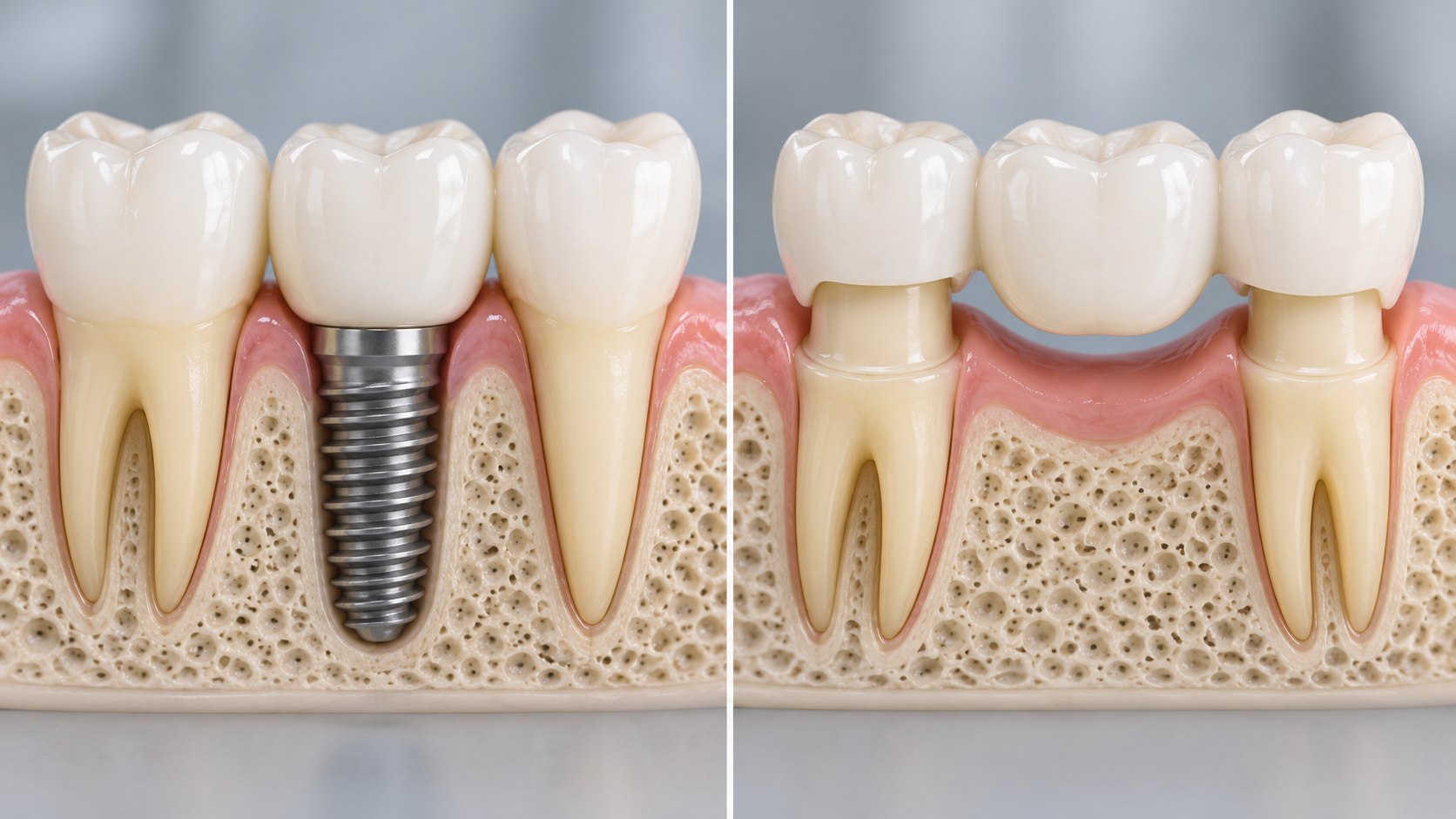
Compare neighbouring teeth, bone, treatment time, risks, cleaning and future costs before choosing how to replace a missing tooth.
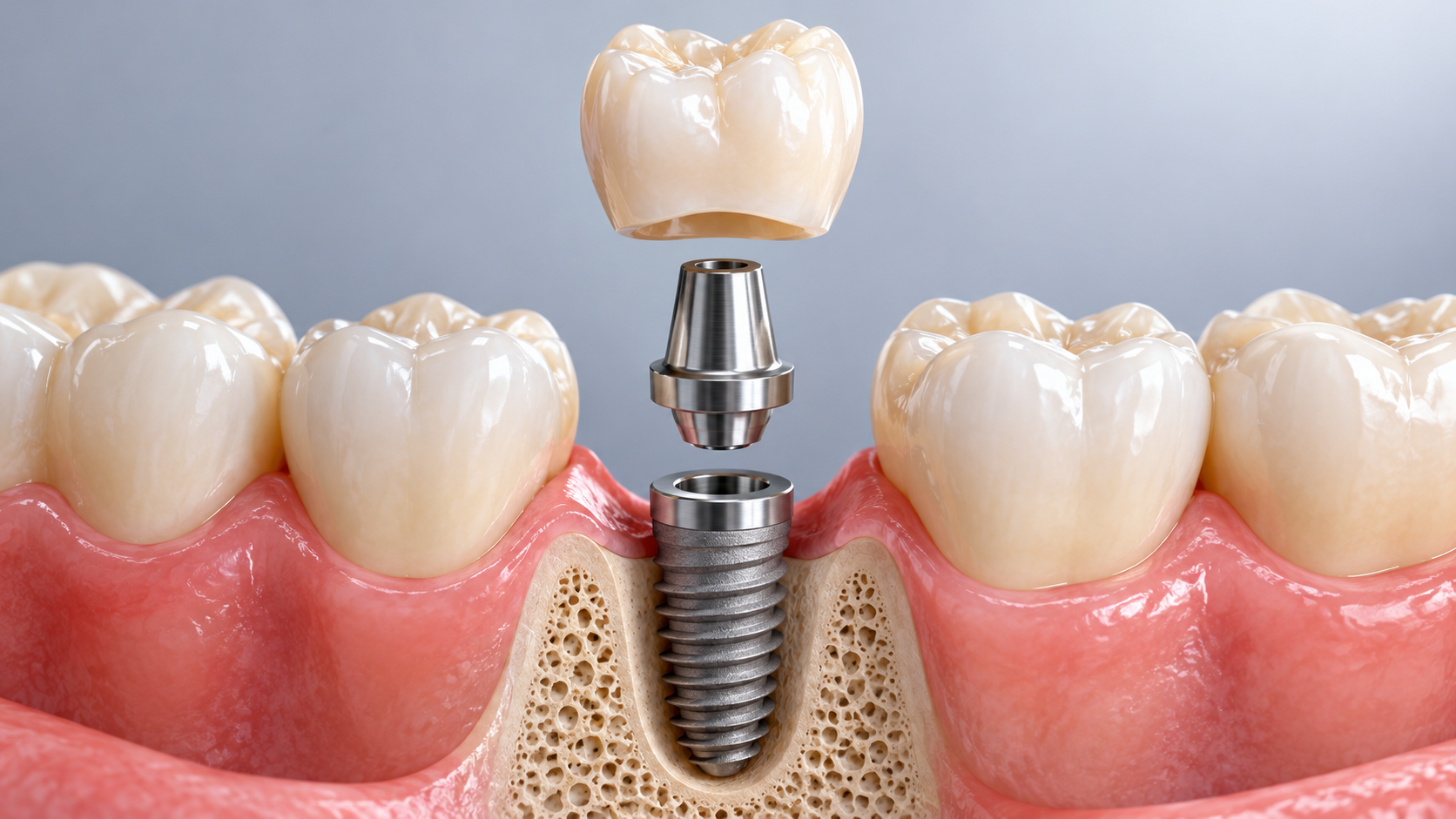
How crowns, bridges and removable implant dentures differ, what an abutment does, and how to plan ongoing care.
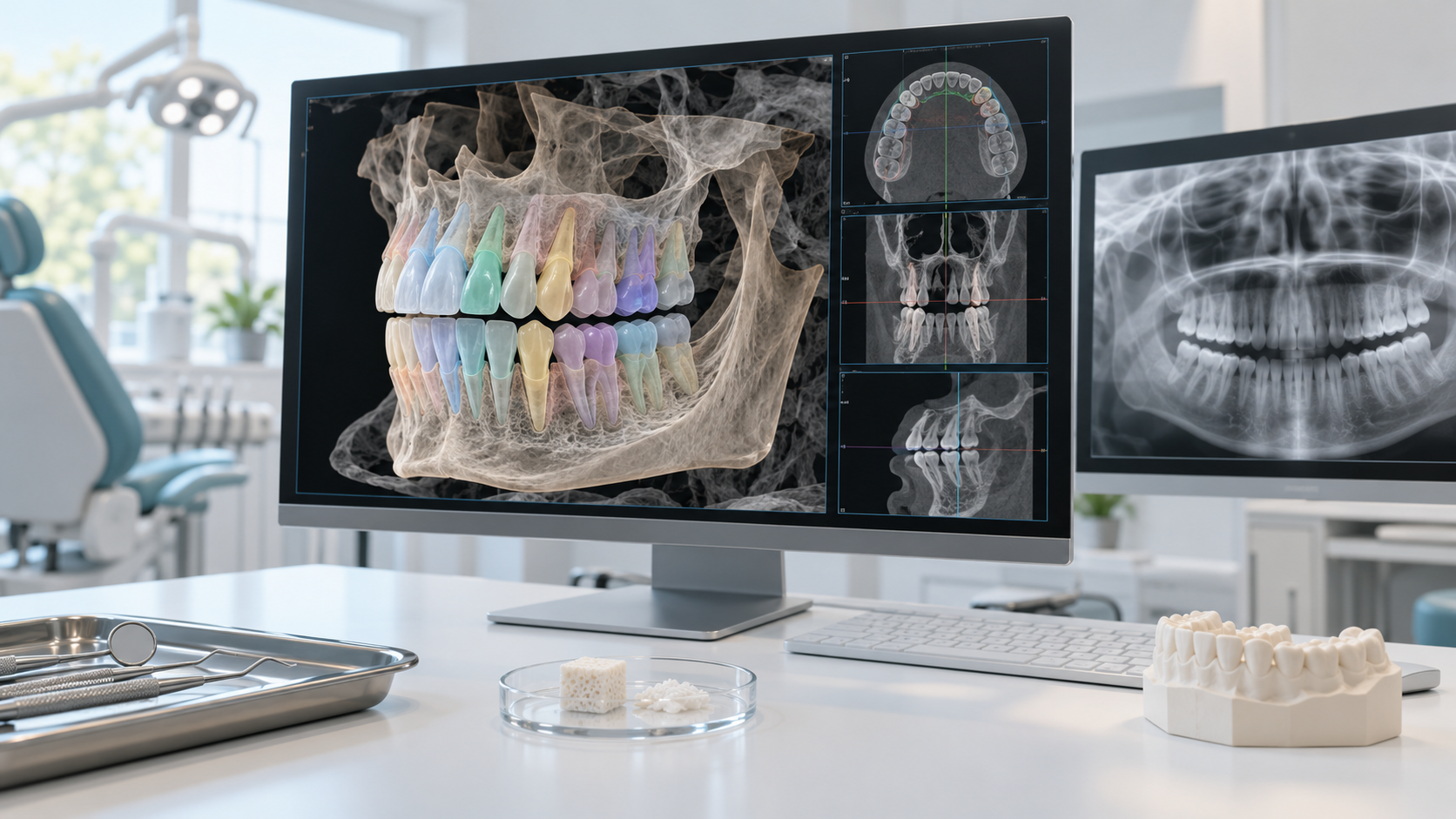
What AI markings on an image mean, why errors happen, and how to distinguish a clinical tool from a research promise.
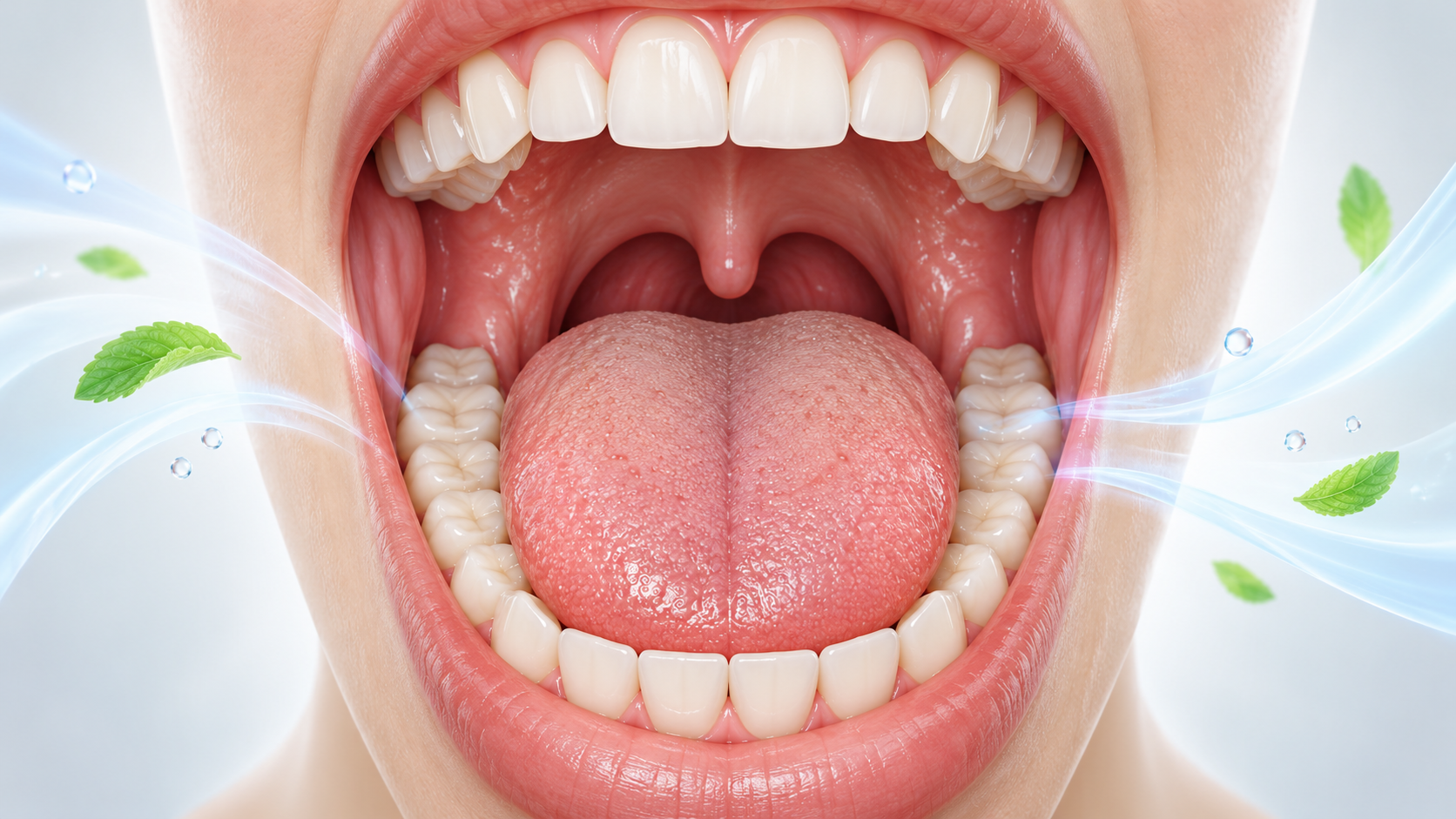
How breath odour relates to tongue coating, gum health and dry mouth, and when to arrange an examination.
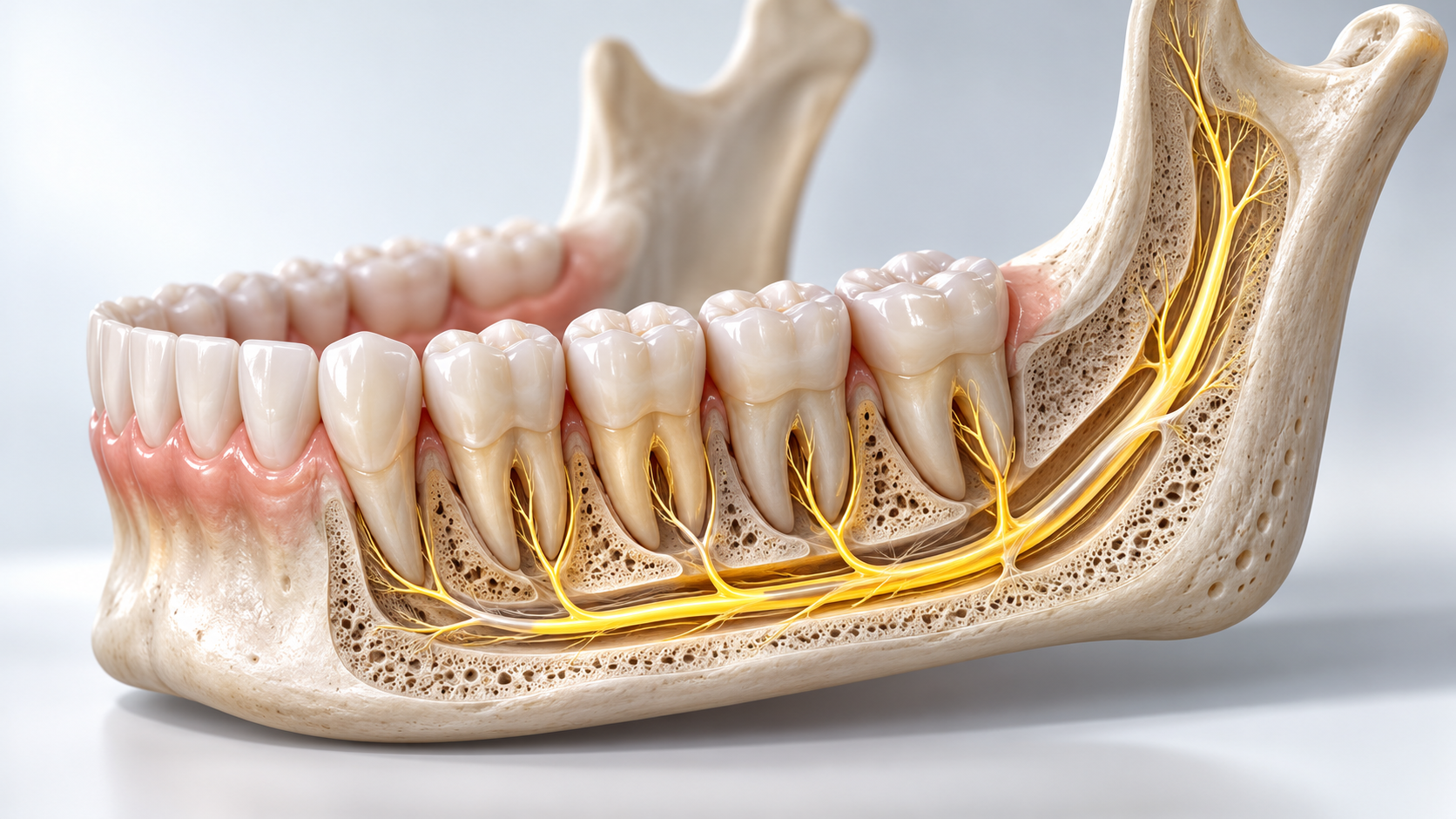
What a numbing injection does, why your medical history matters and how to protect numb tissues after treatment.

Recognise urgent symptoms, avoid unsafe remedies and prepare useful information for a dental appointment in Yerevan.
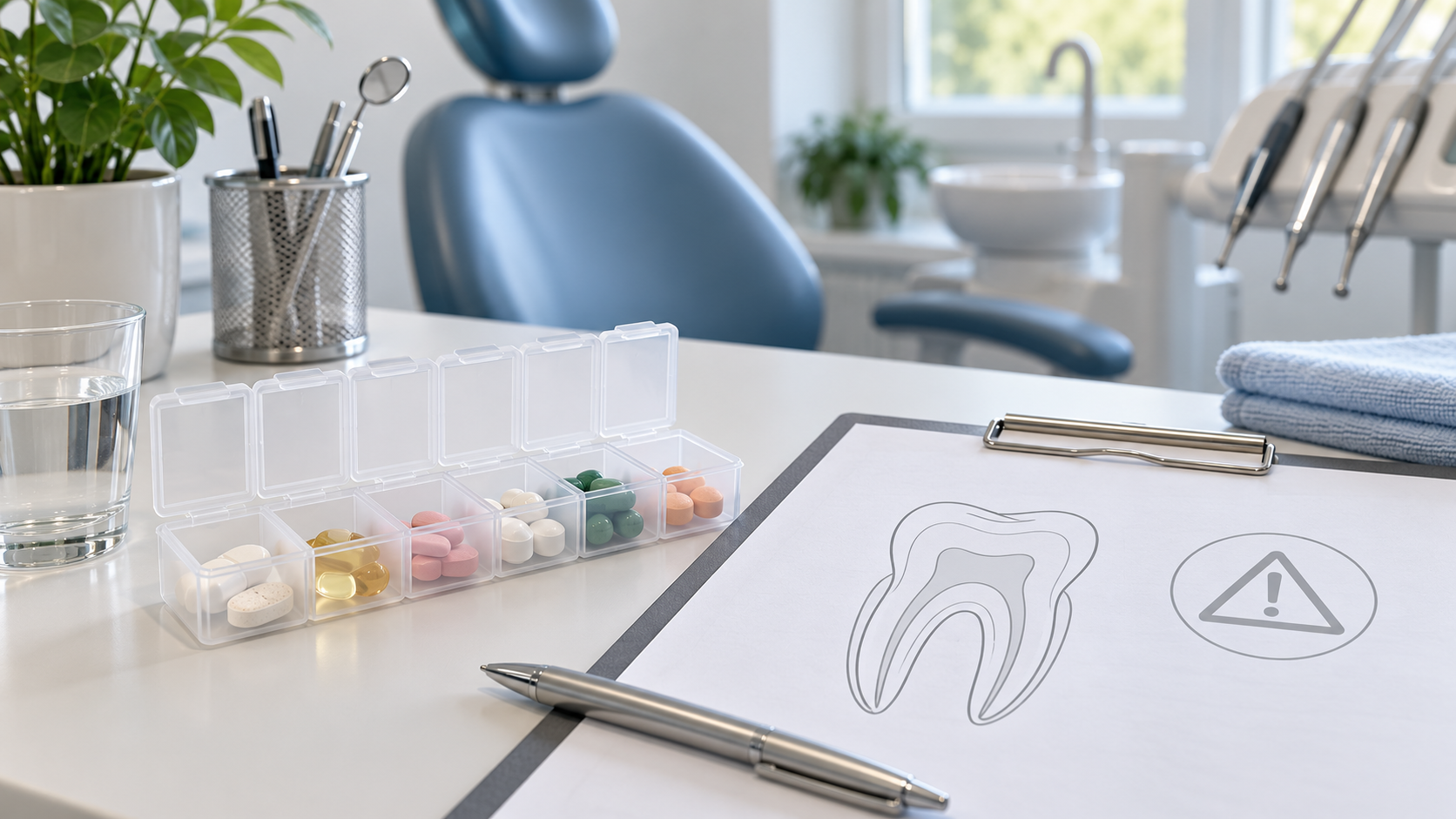
What to tell your dentist about medicines, how to coordinate treatment and why you should never stop regular therapy on your own.
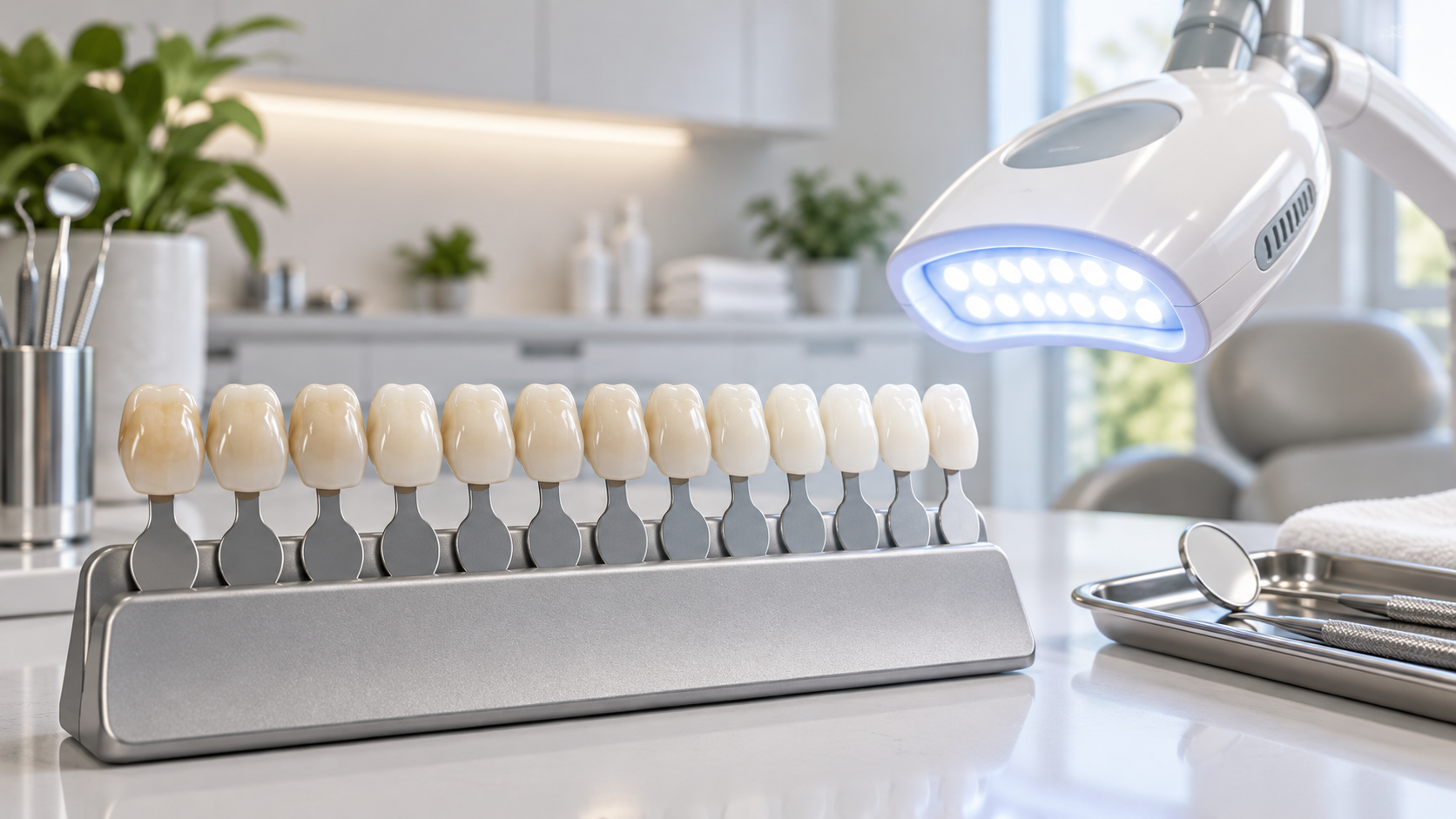
How whitening differs from cleaning, how in-office and home approaches are chosen, and when treatment should wait.
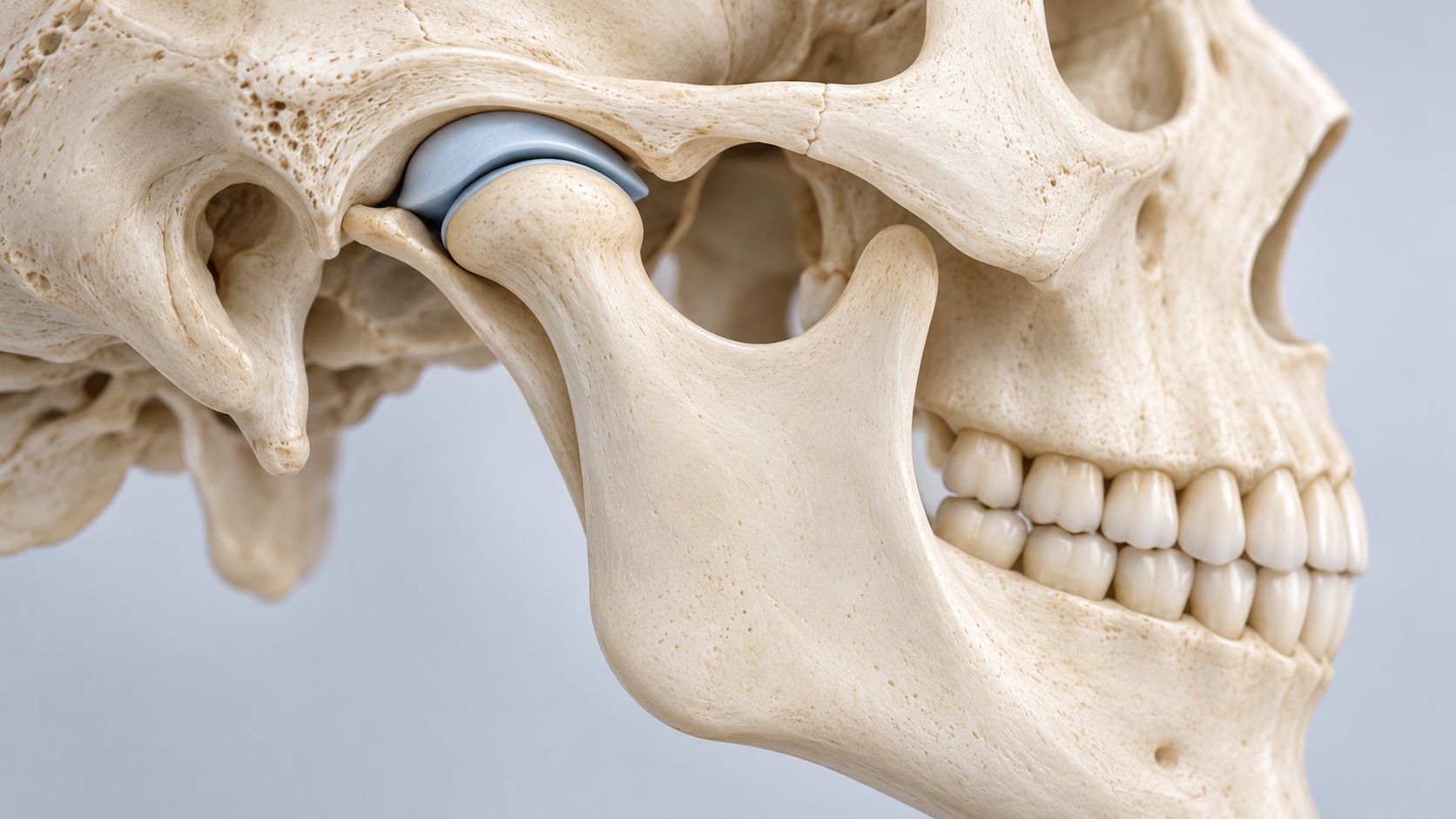
Understanding joint and muscle pain, when imaging helps, and why care usually begins with reversible measures.

Documents, medicines, previous images and questions to bring: a practical guide to your first dental appointment in Yerevan.
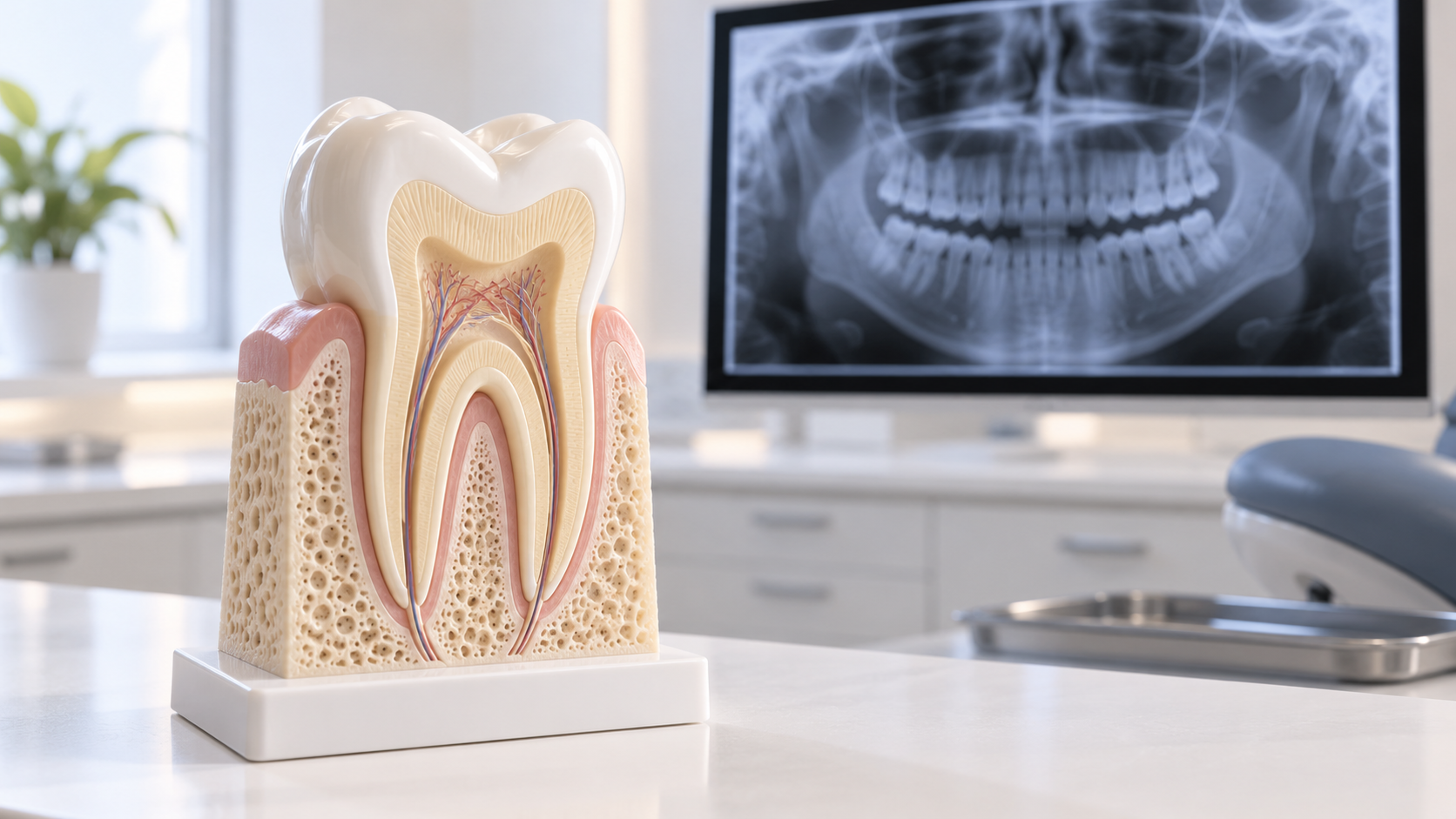
What dentists assess before recommending tooth preservation or extraction, and the questions that help you compare complete treatment plans.

Eating, cleaning, exercise and follow-up: a practical recovery plan and the warning signs that need professional attention.
Understand the clinical tasks behind dental technology, its limitations and the questions to ask before choosing treatment.
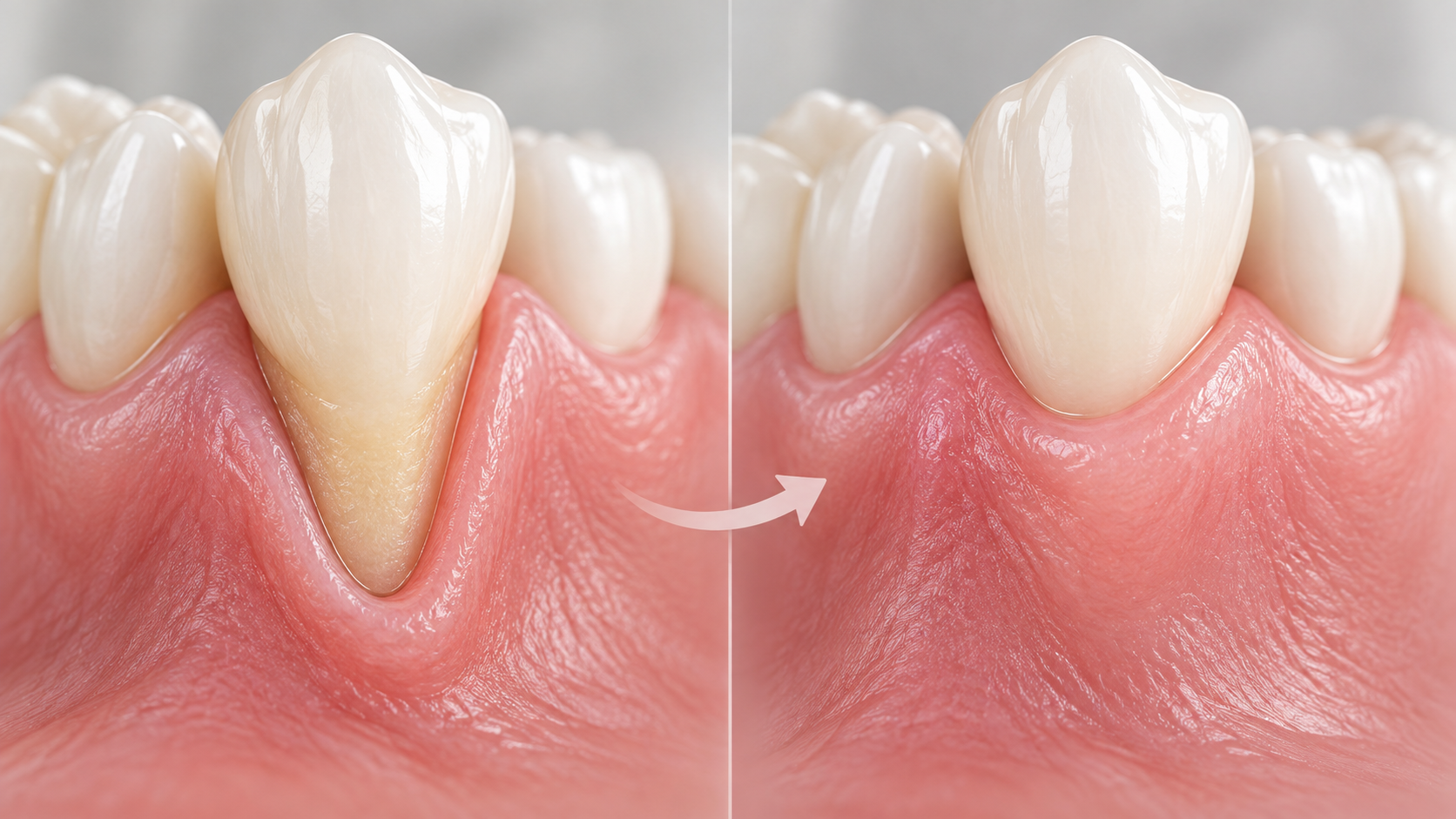
Why gums recede, how a dentist assesses the exposed root, and when a tissue graft may be considered.
Recognise warning signs, take safe first steps and prepare for an in-person assessment.
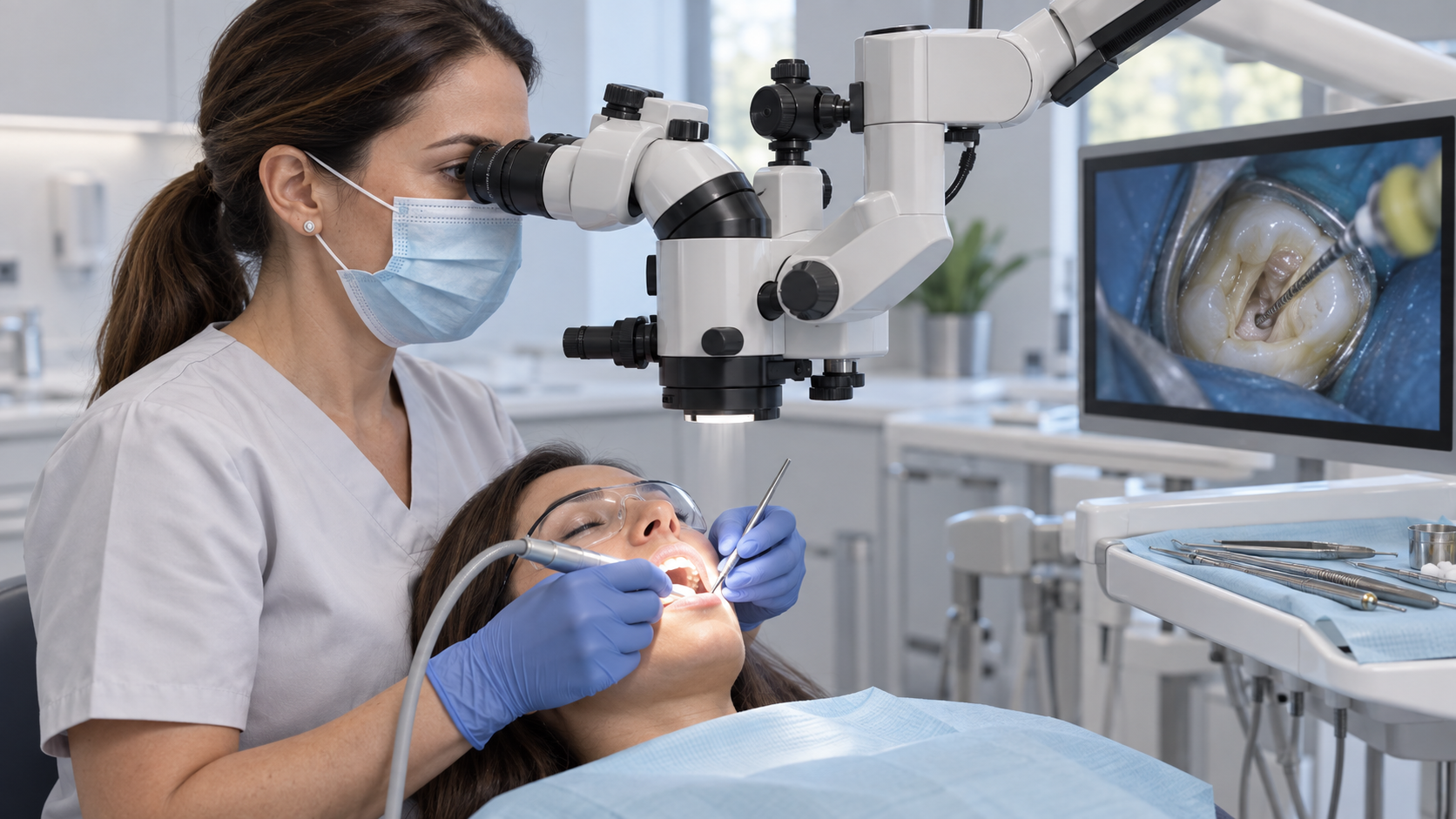
A practical guide to magnification in root canal treatment, retreatment, its limits and useful questions for your dentist.
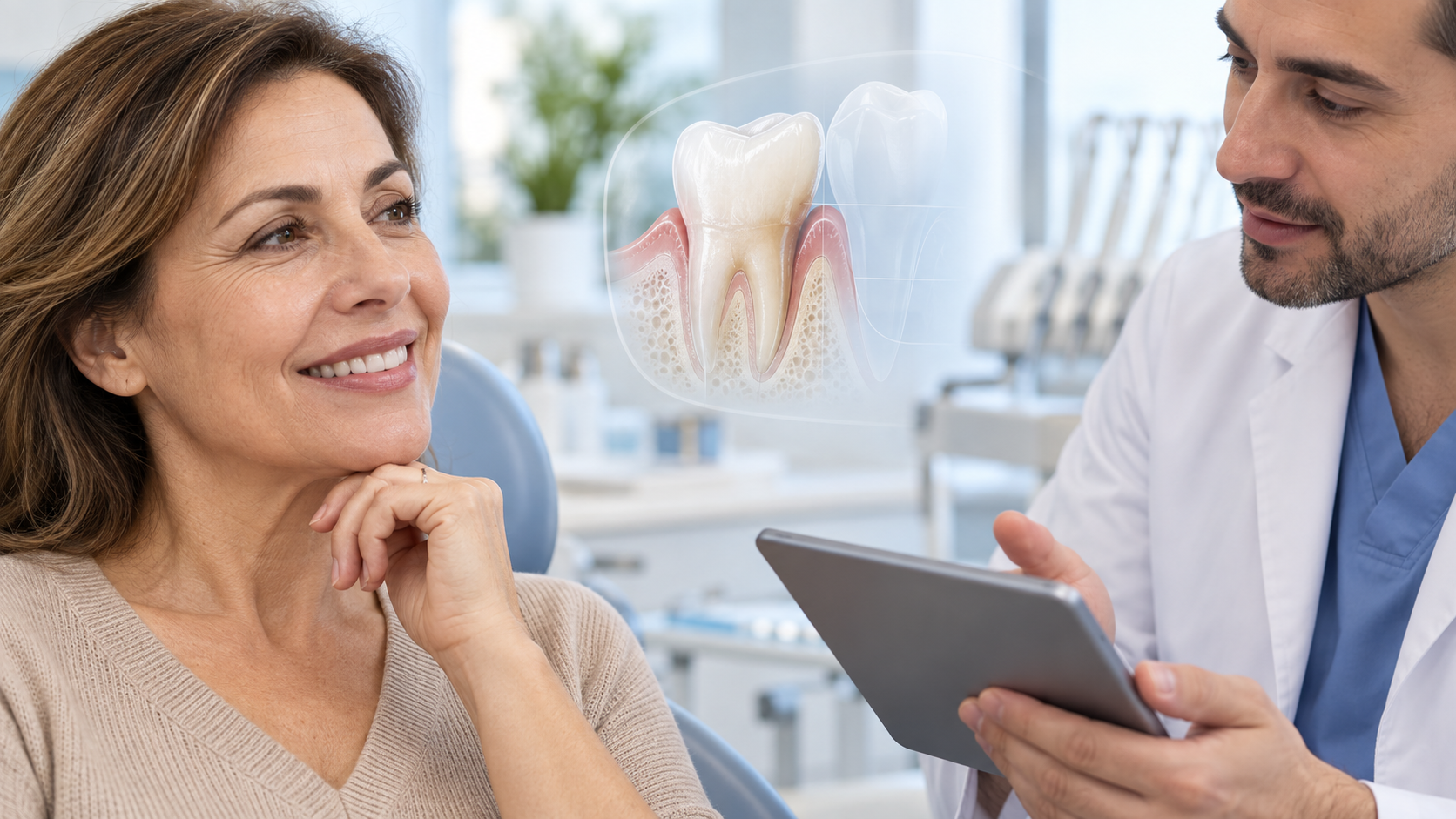
Why tooth colour, shape and sensitivity can change, how care is planned and when an examination should not wait.
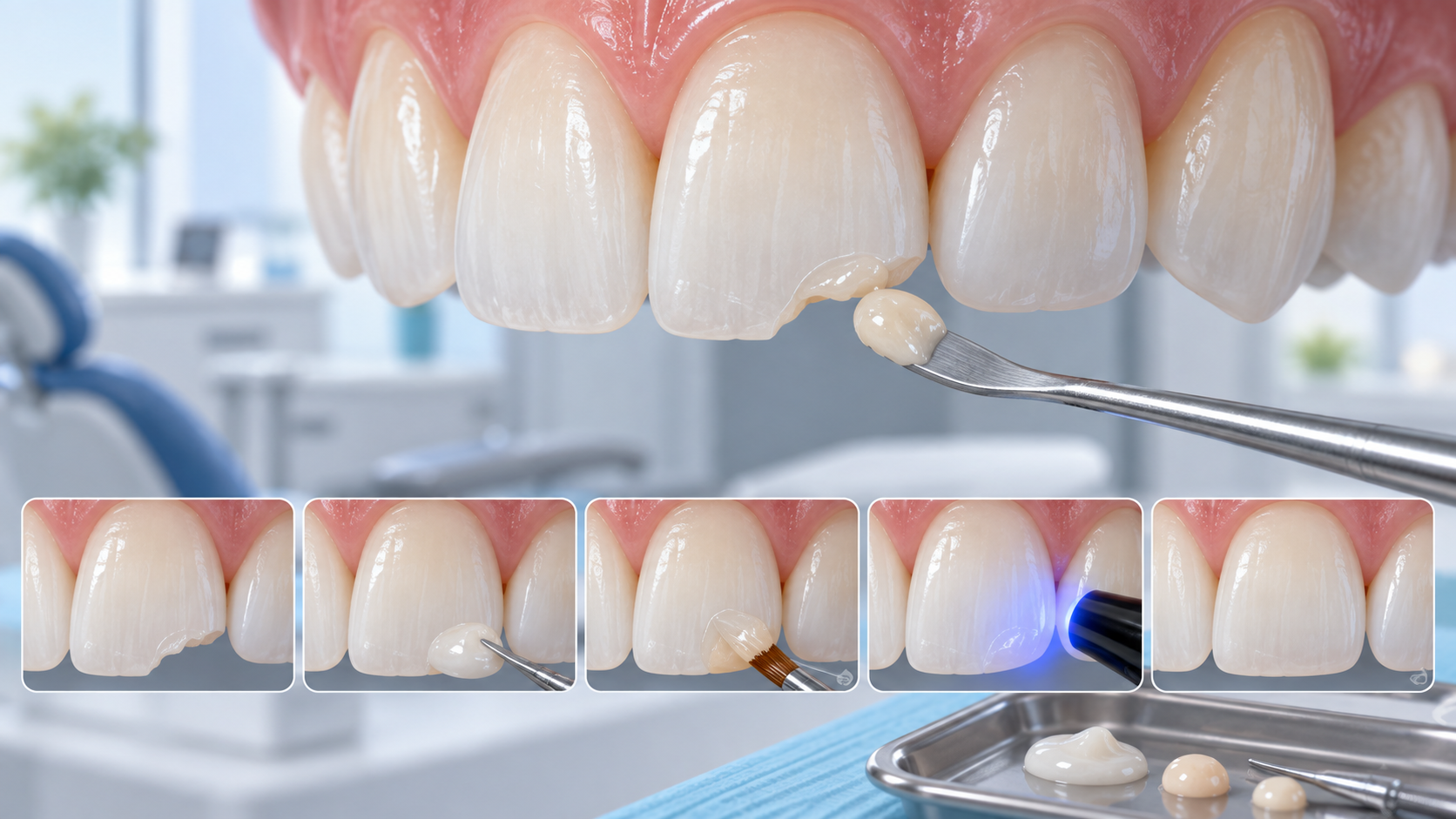
When a direct composite restoration may be considered, what it involves and why a photograph cannot decide treatment.
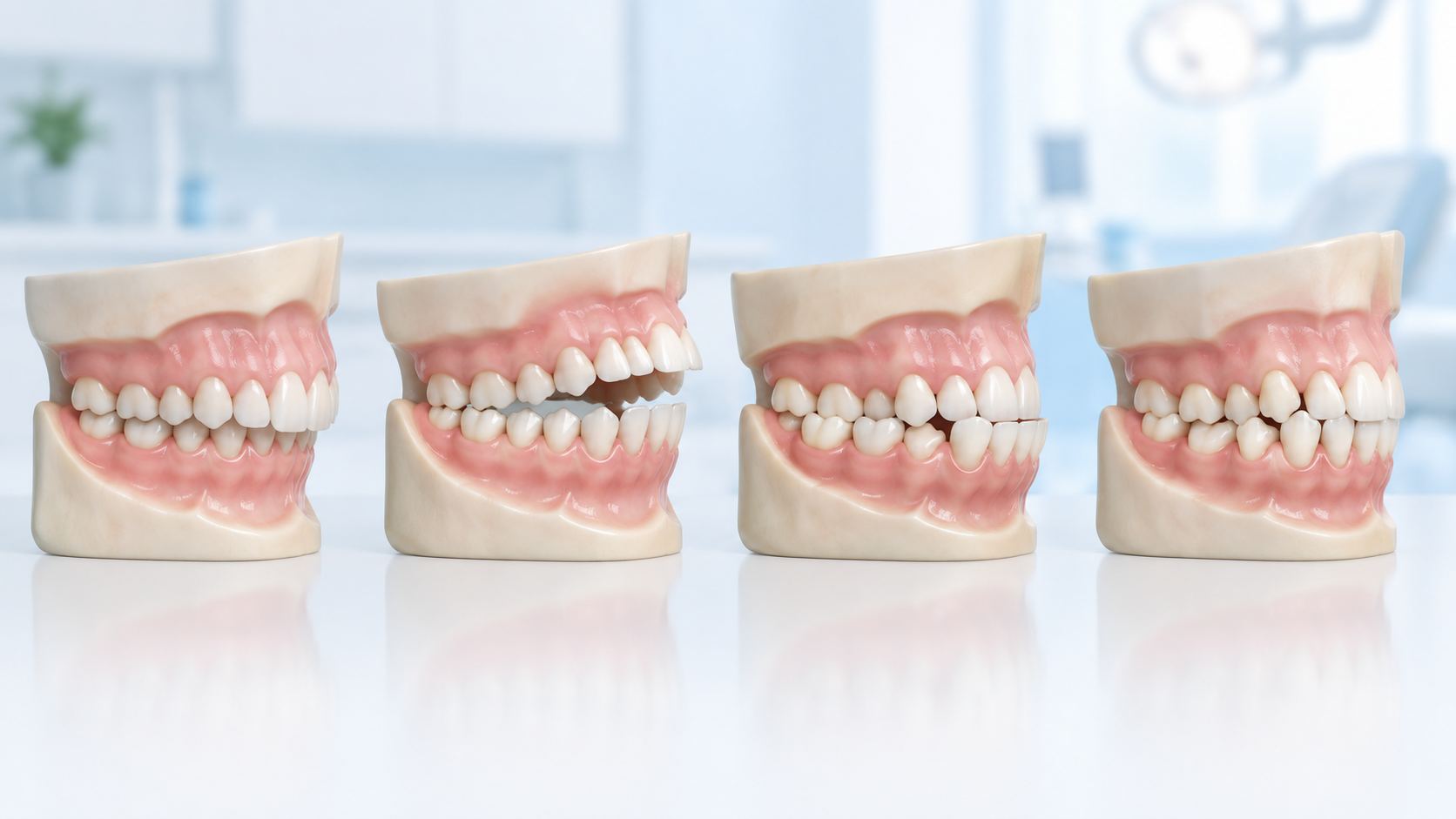
The common bite problems, why they occur, how orthodontists assess them and which correction options may be discussed.

How to judge urgency, avoid harmful self-treatment, and prepare for an in-person dental assessment.

A practical checklist for comparing clinics, travel, records, treatment plans and consultation conditions without rushed decisions.
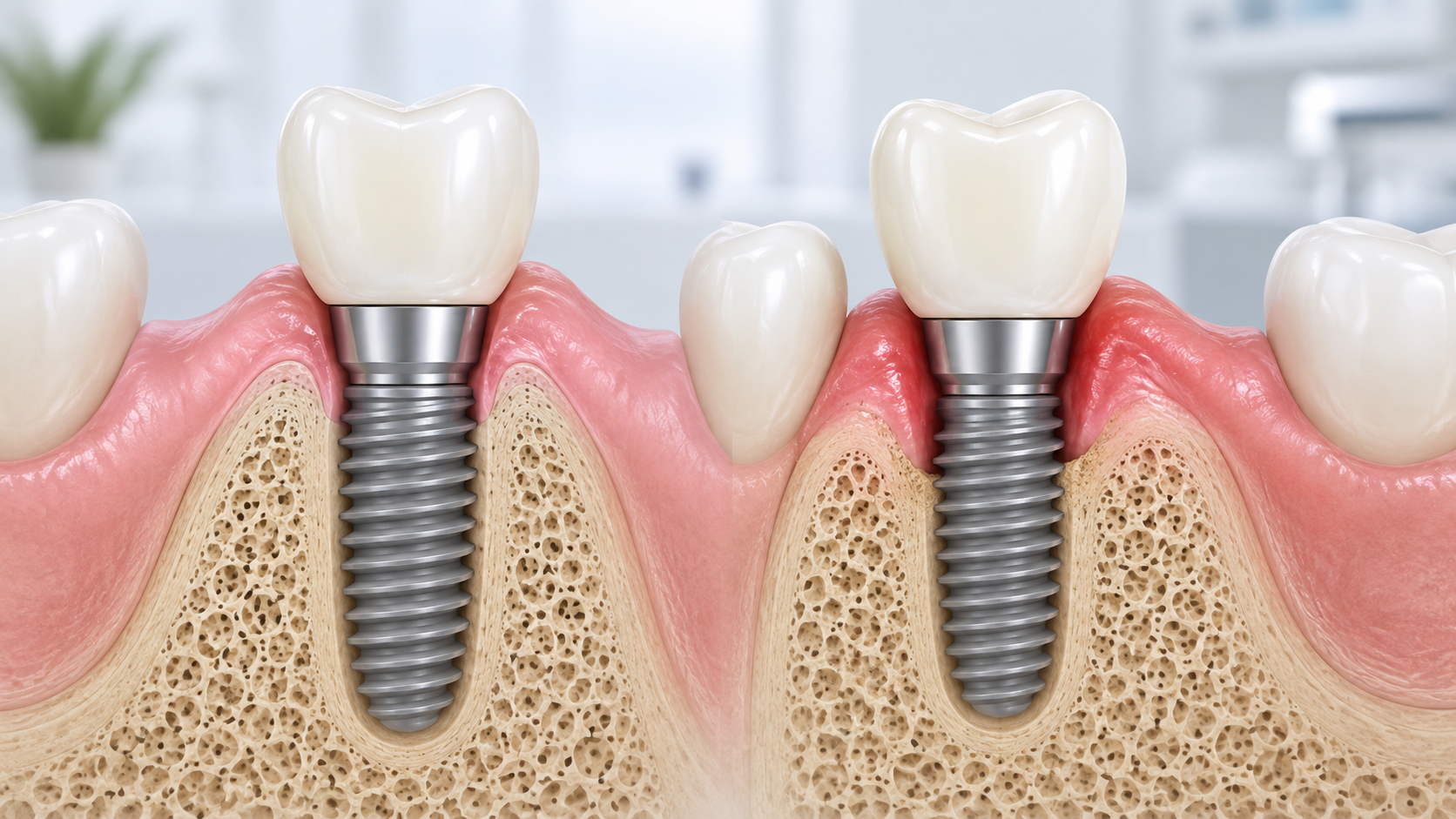
How inflammation around an implant differs from mucositis, what a clinician assesses, and why regular review matters.
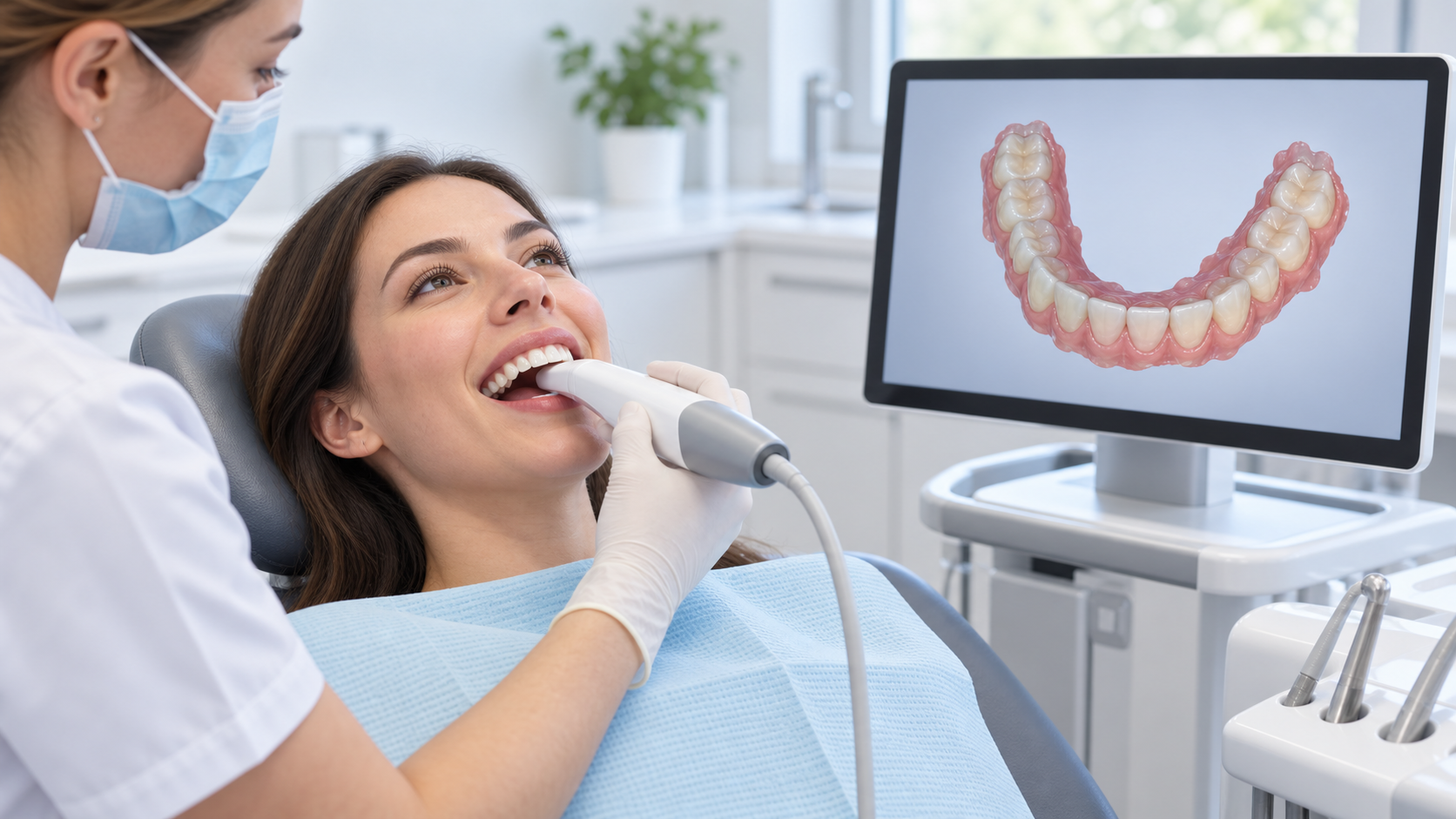
How an intraoral scan, photographs and virtual planning can support a treatment discussion — and why they cannot replace an examination.
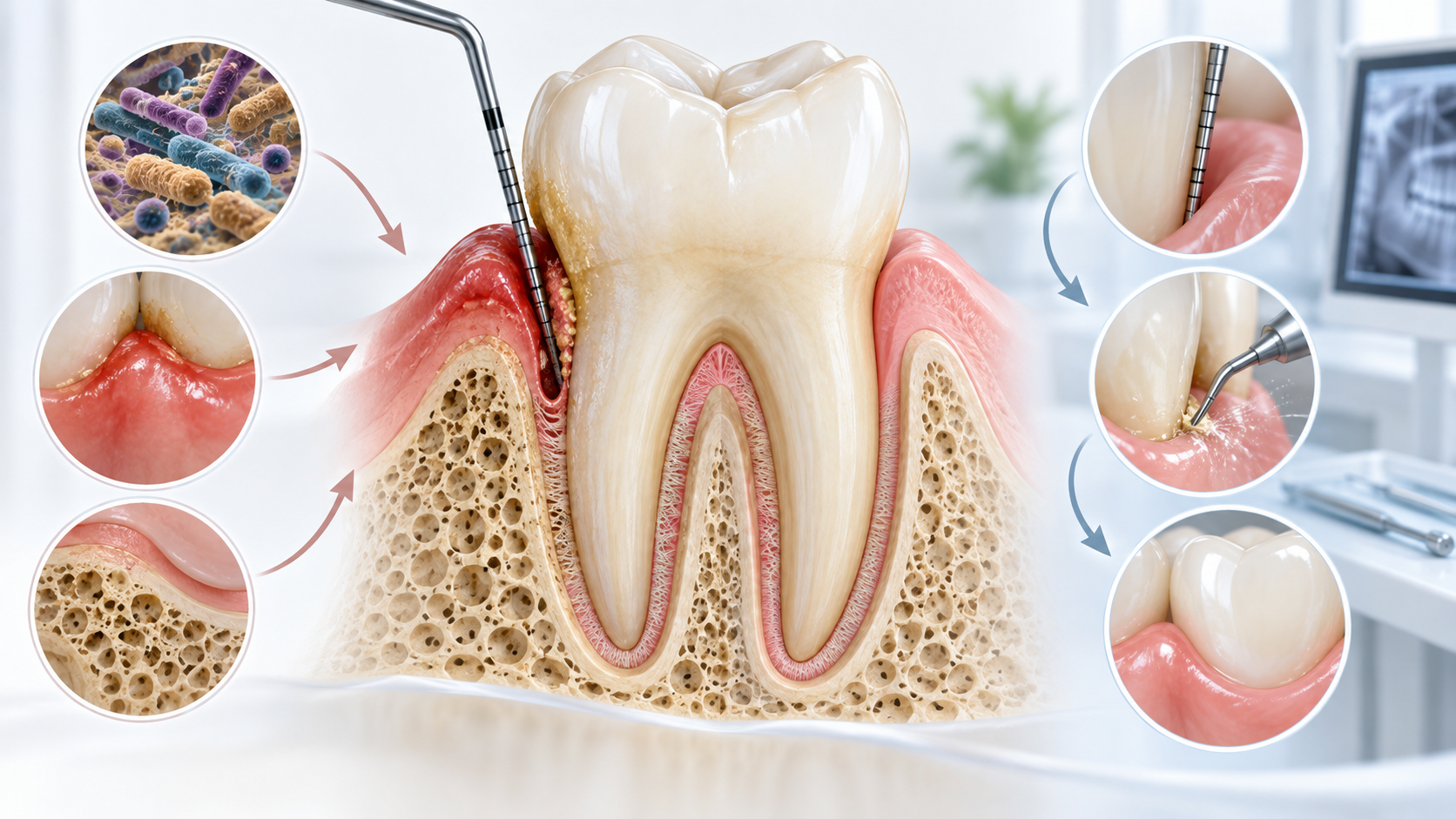
What happens to the gums and bone around teeth, how periodontitis is assessed, and which treatment steps may be discussed after an in-person examination.
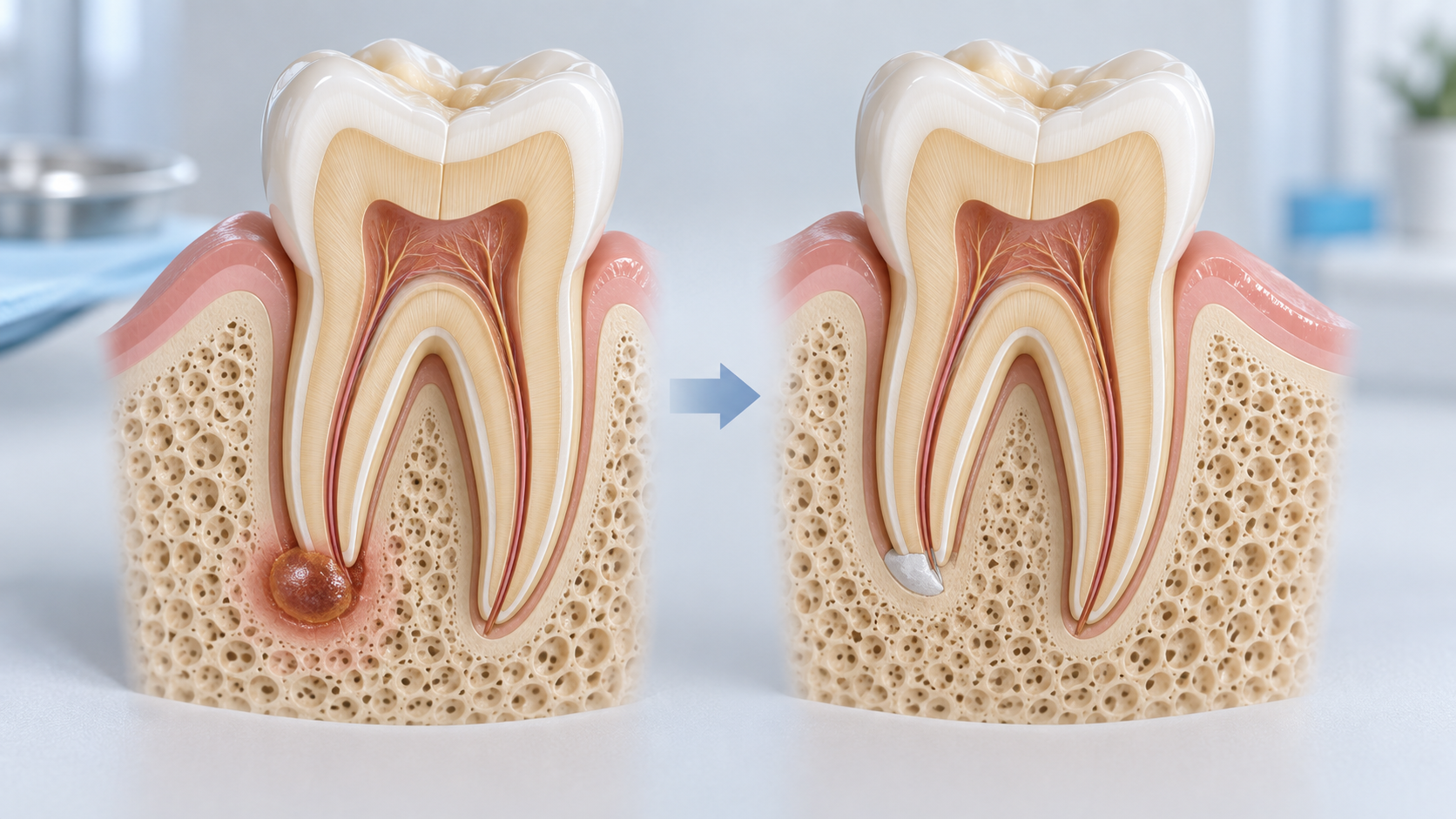
How clinicians assess a lesion near a root tip, why an examination matters, and when root canal treatment or surgery may be discussed.
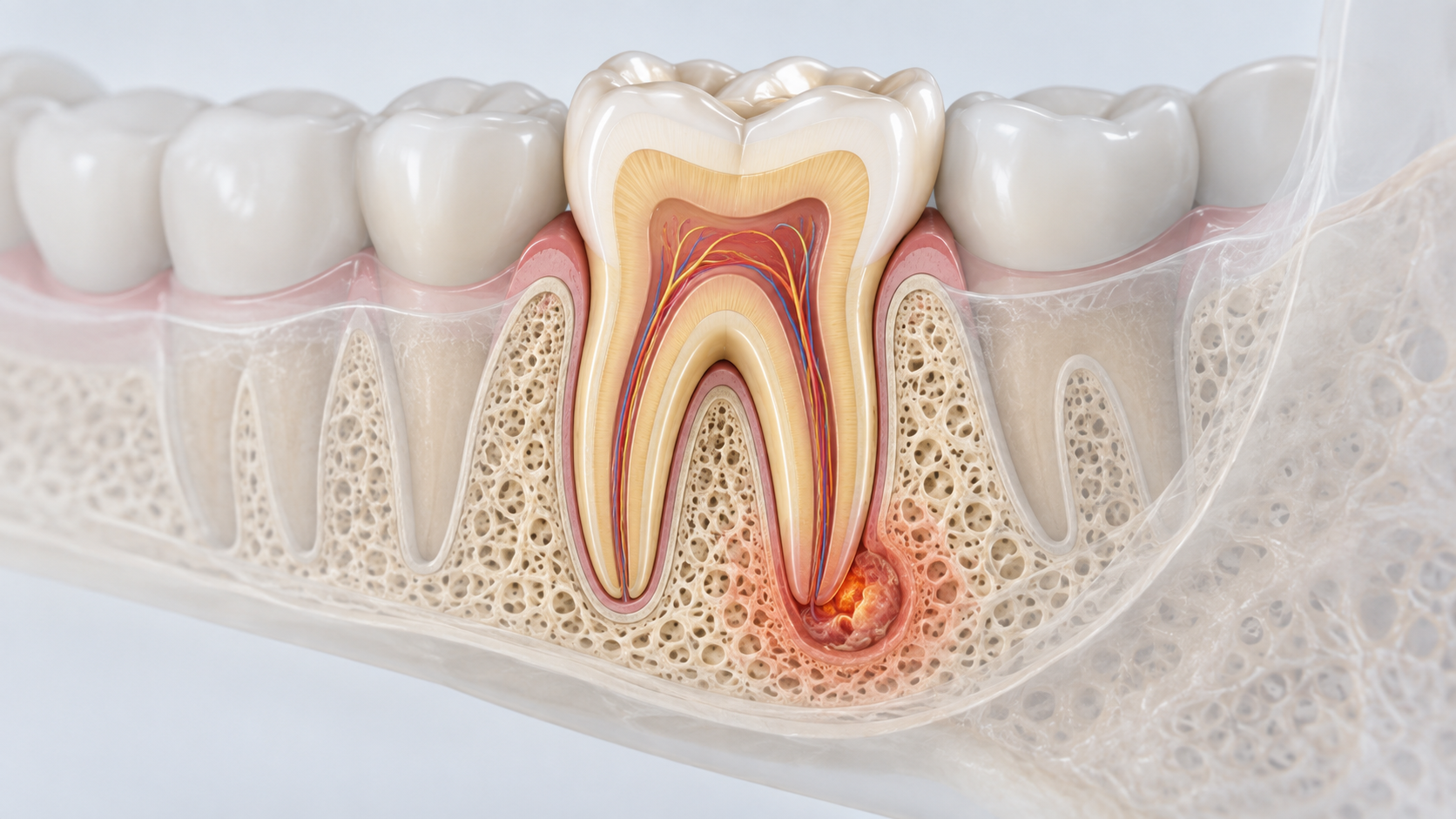
What inflammation around a root tip can mean, how it is assessed, which treatment routes may be discussed and when urgent in-person care is needed.

A practical guide to preparing for dental treatment after 60, discussing medicines, dry mouth, dentures, implants and daily care.
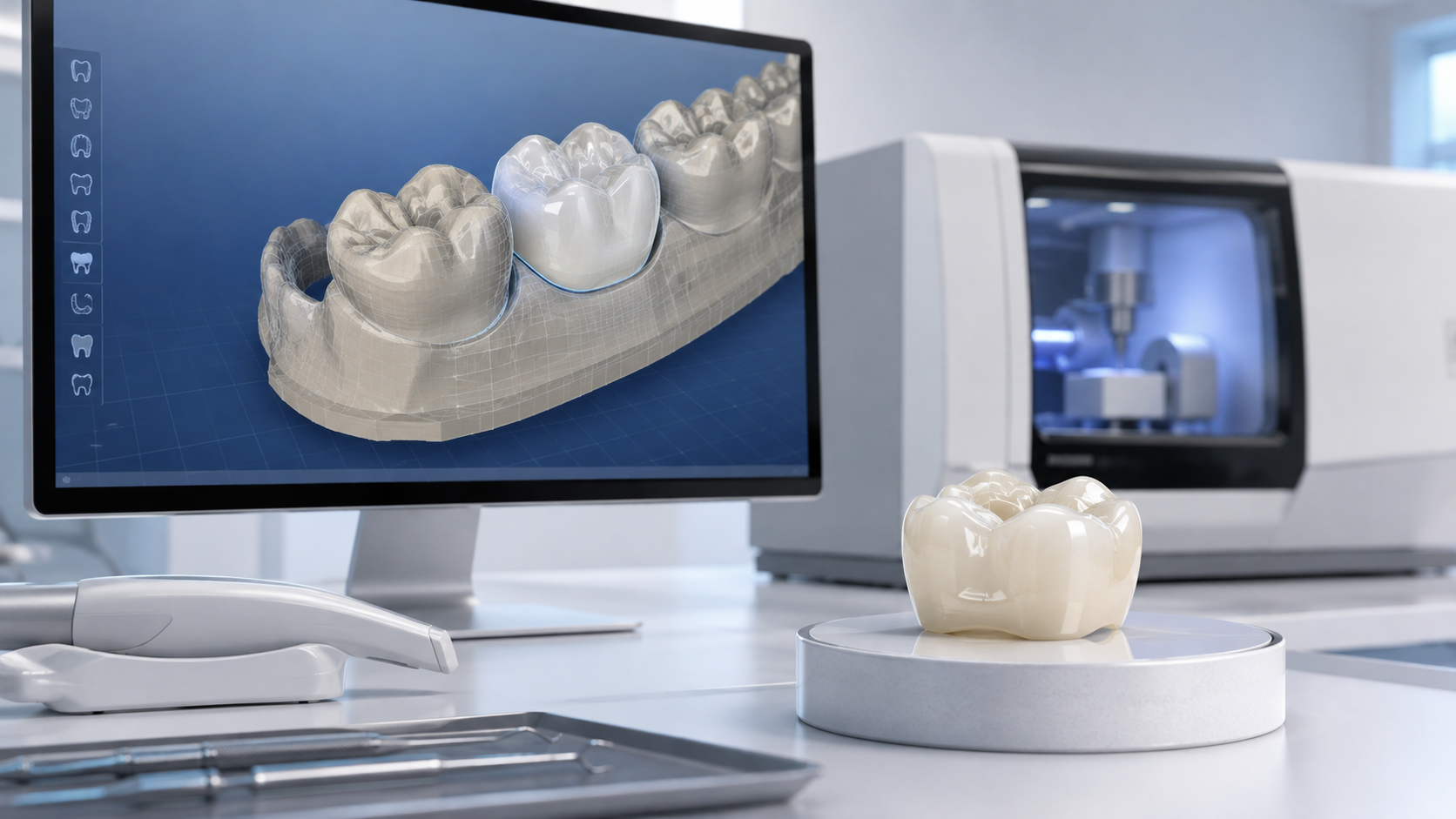
How scanning, virtual design and manufacture support crowns and bridges — and why the technology does not replace an examination.
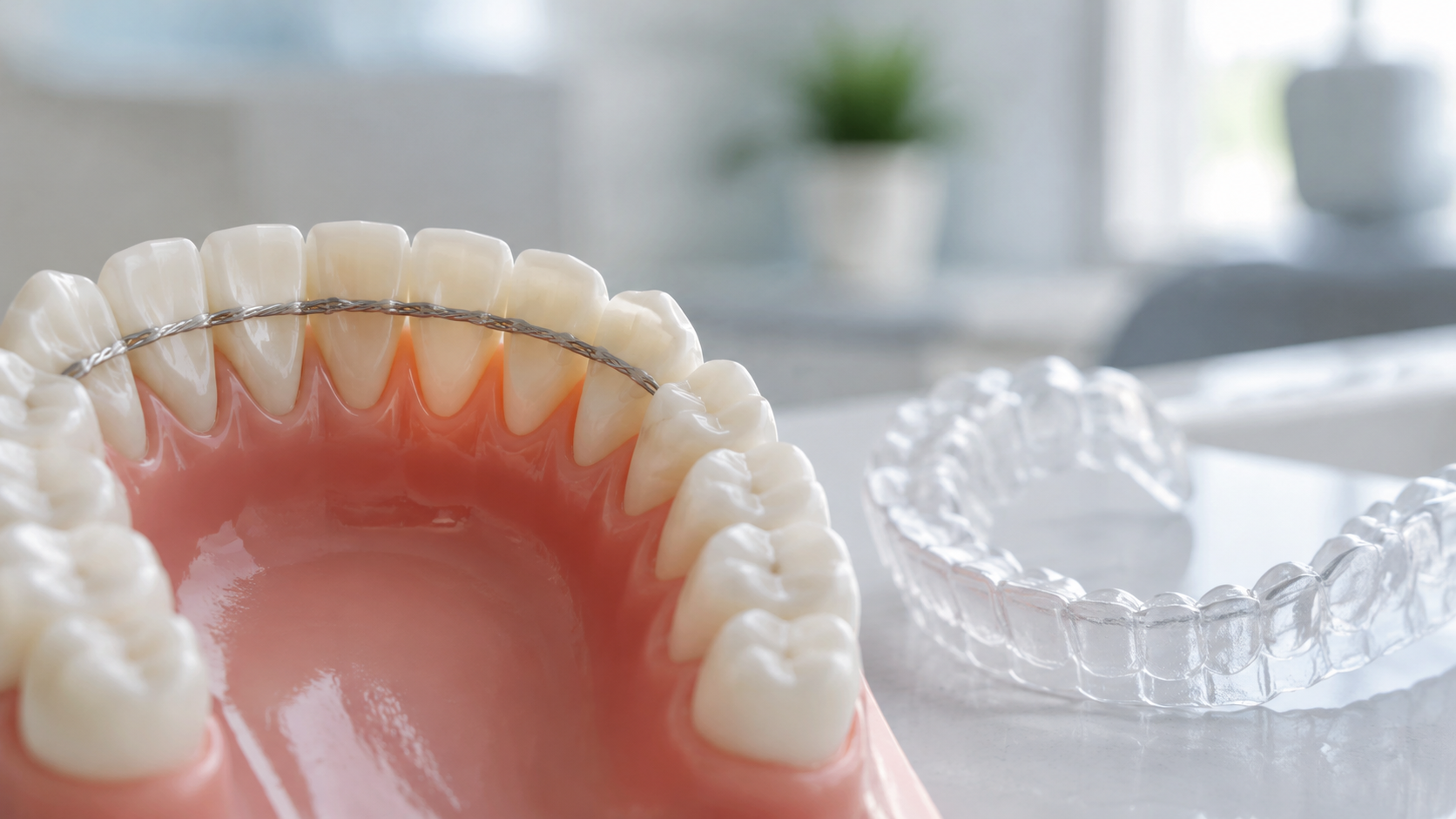
The main retainer types, why teeth can move after braces, daily care, damage and when to contact an orthodontist.

How to protect teeth during training, choose a mouthguard, handle drinks and act after a dental injury.
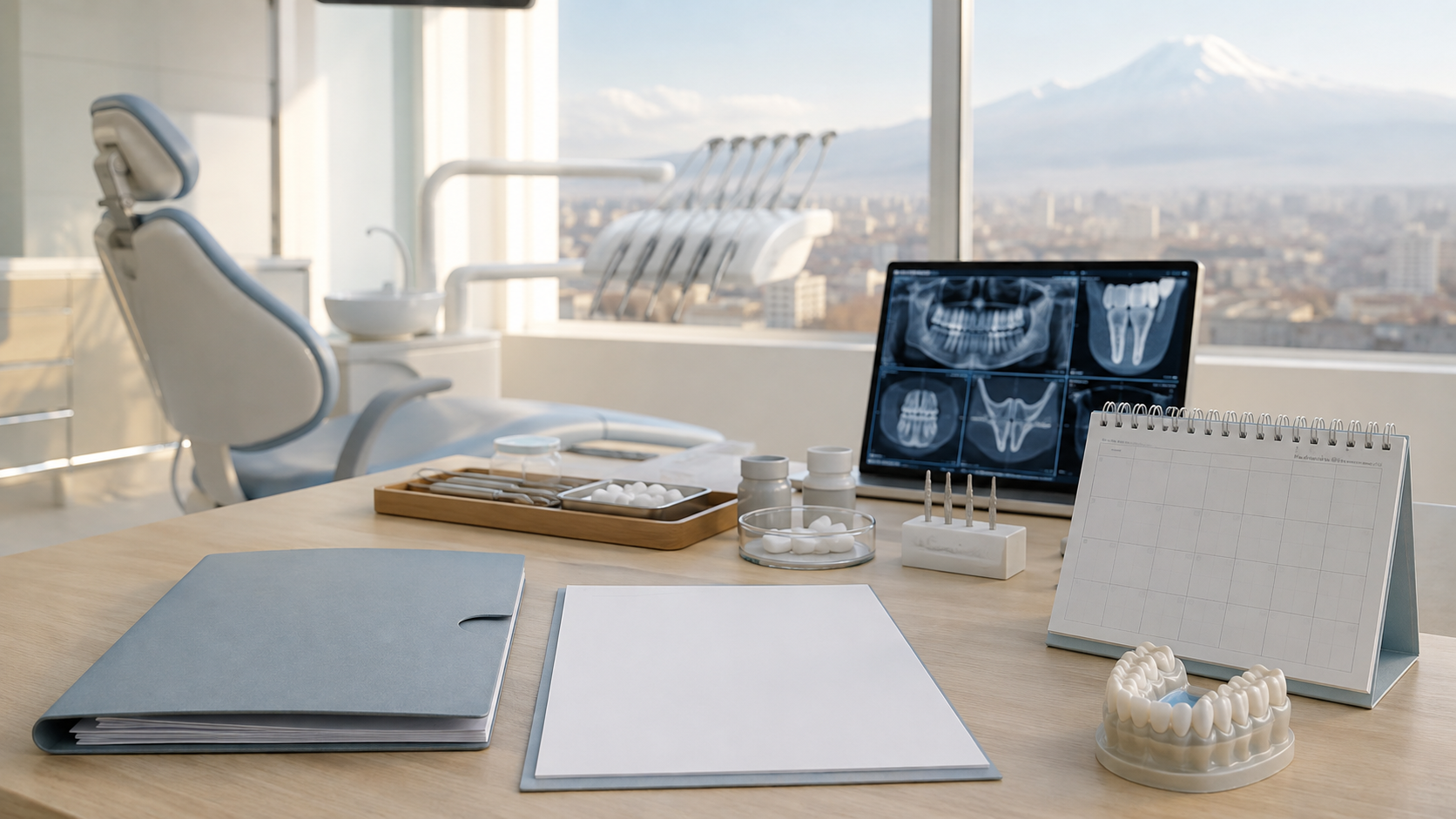
Which stages and information shape an estimate, how to compare treatment plans and which records to request before paying in Yerevan.
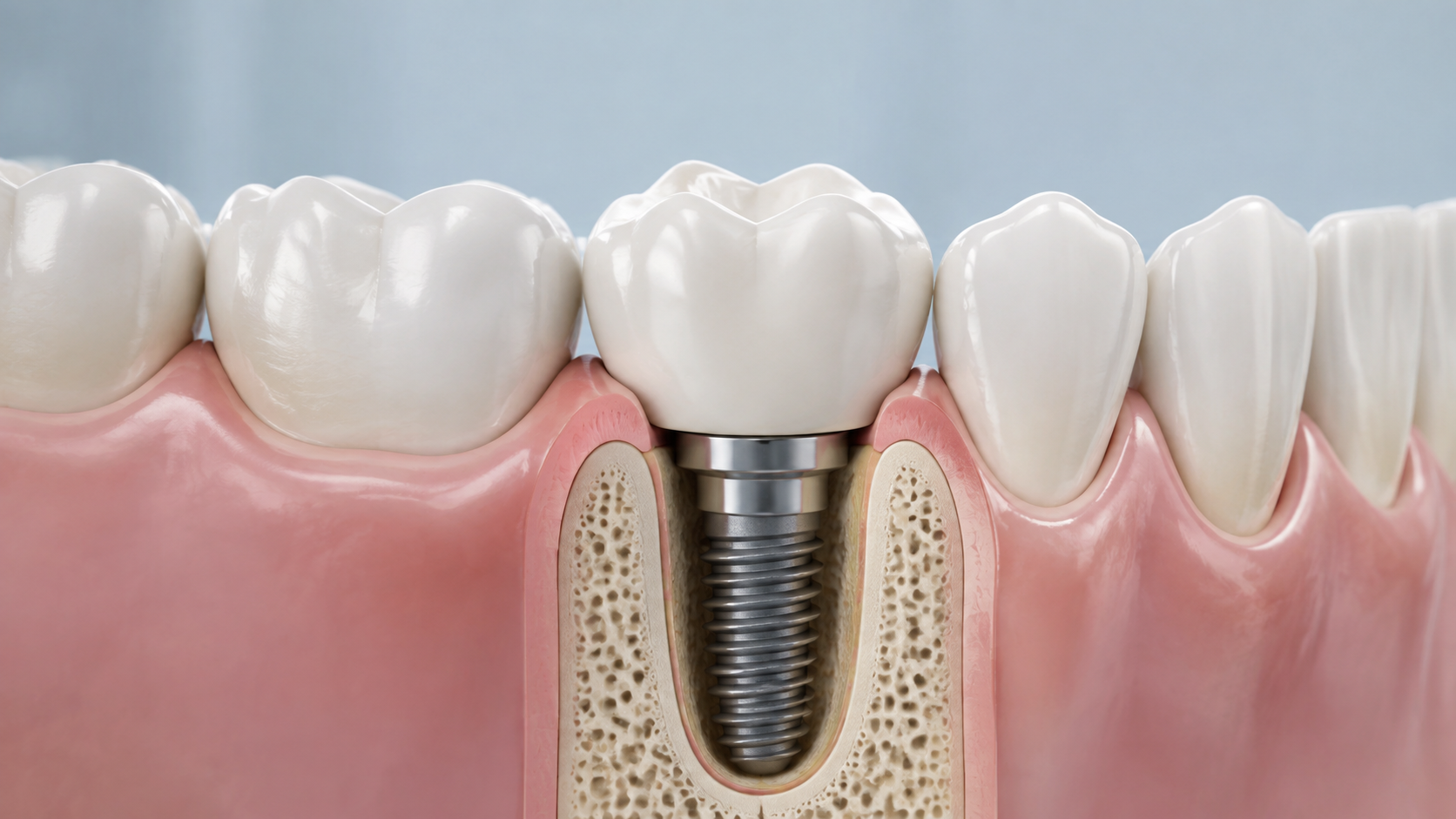
How soft tissue around an implant works, which signs need an examination and why home care cannot replace a professional assessment.
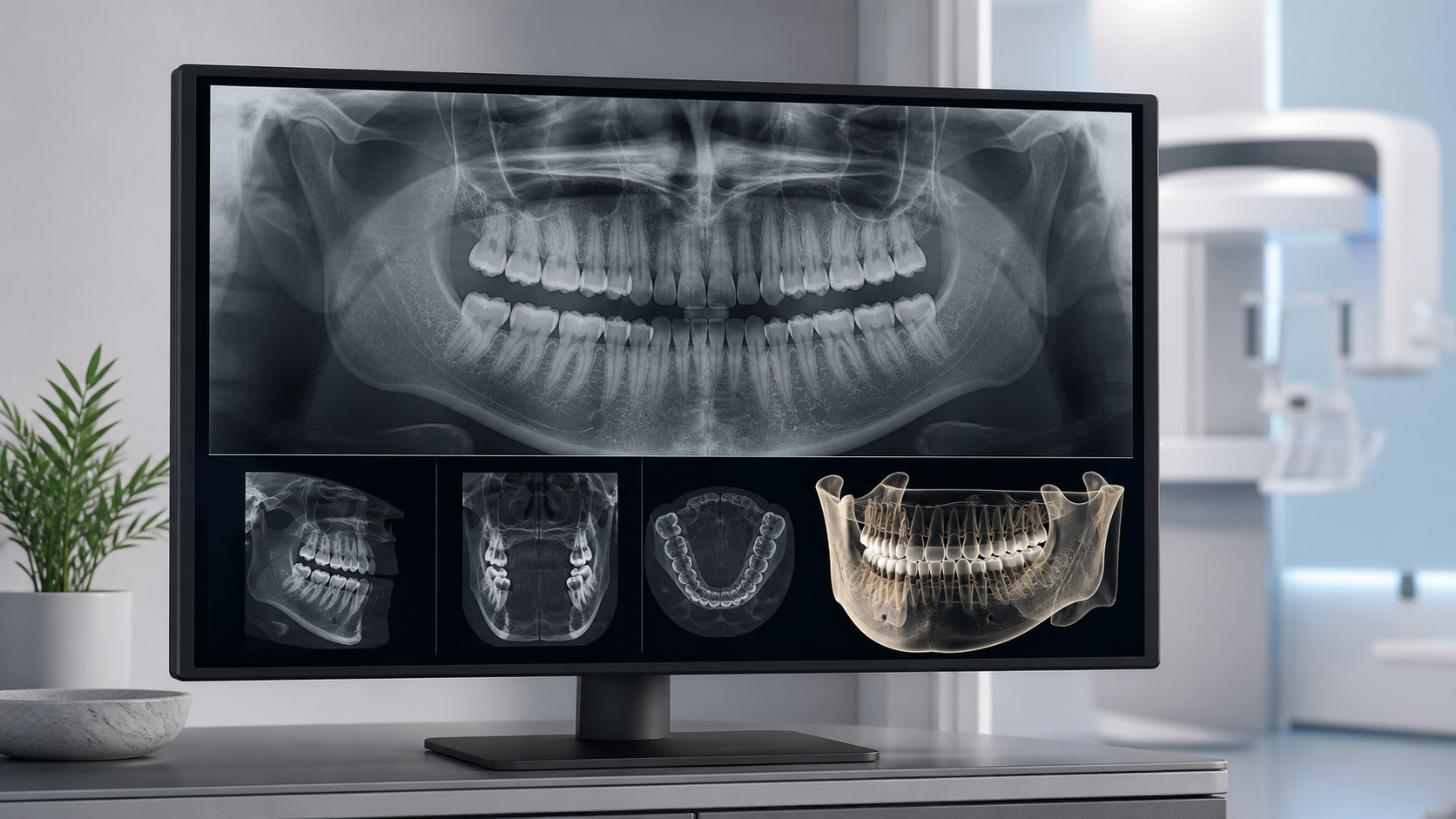
A clear guide to periapical X-rays, panoramic imaging and CBCT, and why each is selected for a specific clinical question.
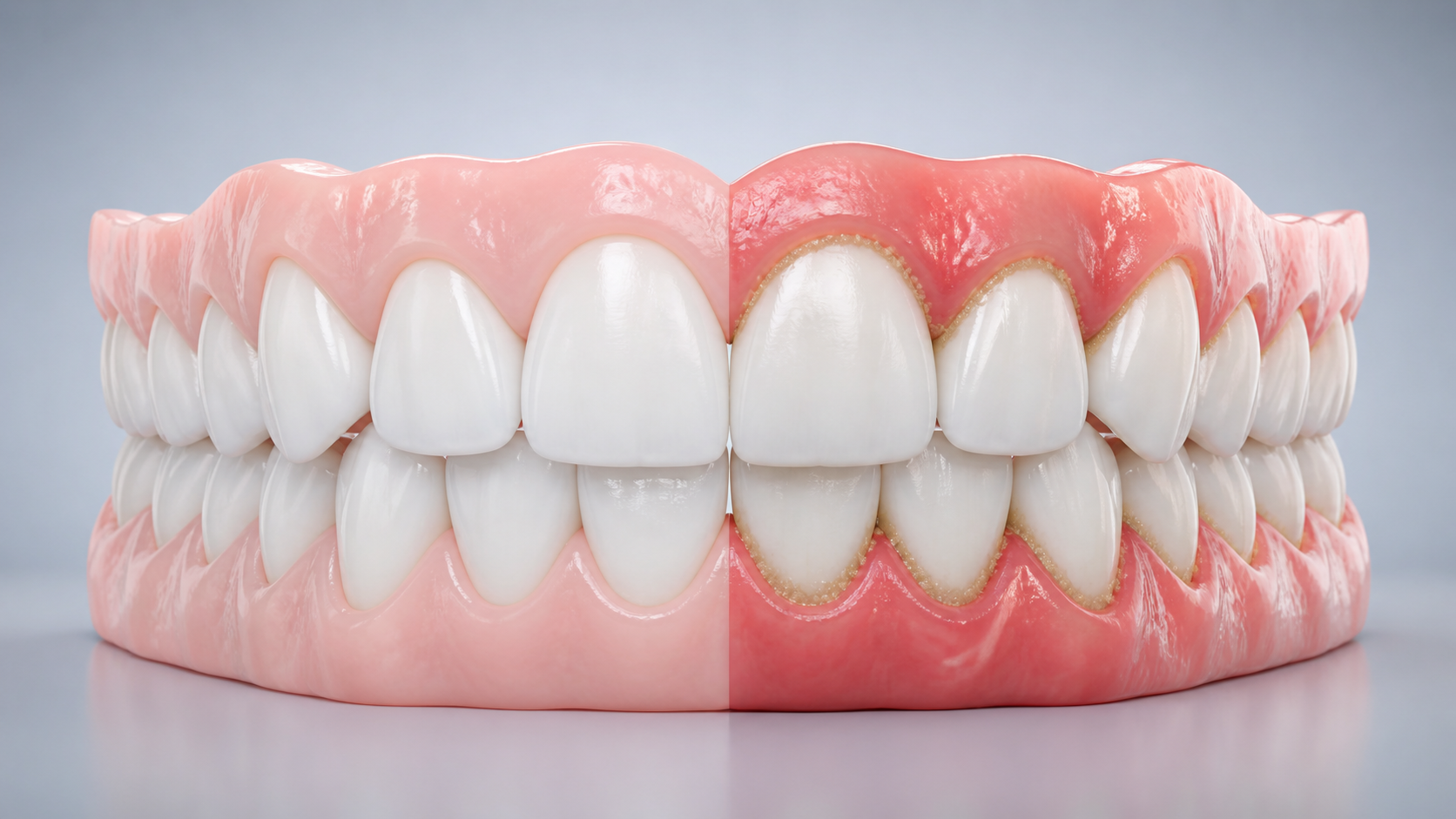
Why gums bleed, what a dentist checks, and what is safe to do before an appointment.
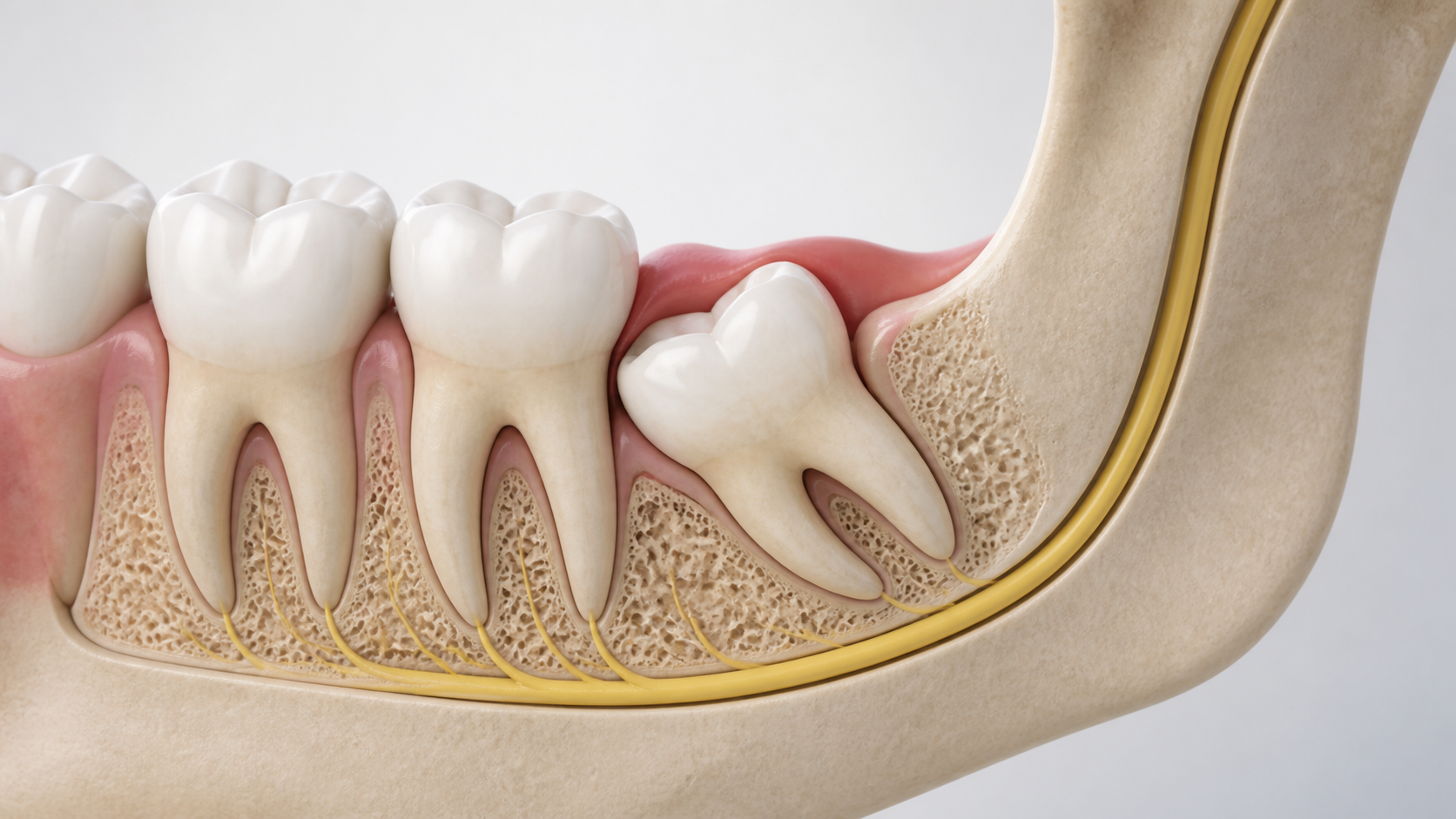
When a third molar can be monitored, why it becomes inflamed, and when an in-person assessment is needed.
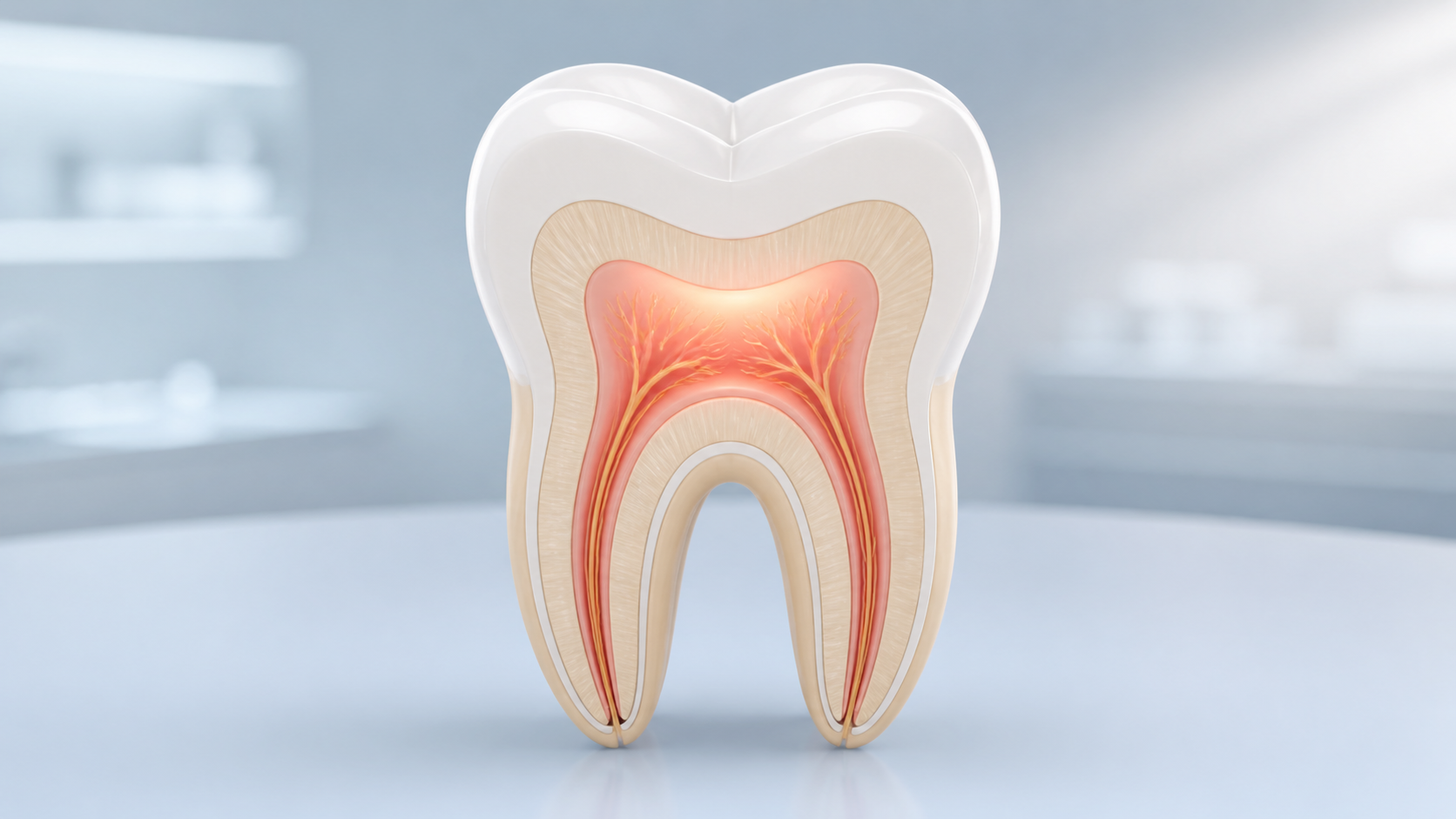
What pulp inflammation is, why a tooth may hurt, how a dentist diagnoses it and which in-person treatment options may be discussed.

How to prepare for dental care when you have diabetes, heart disease, or take long-term medicines.
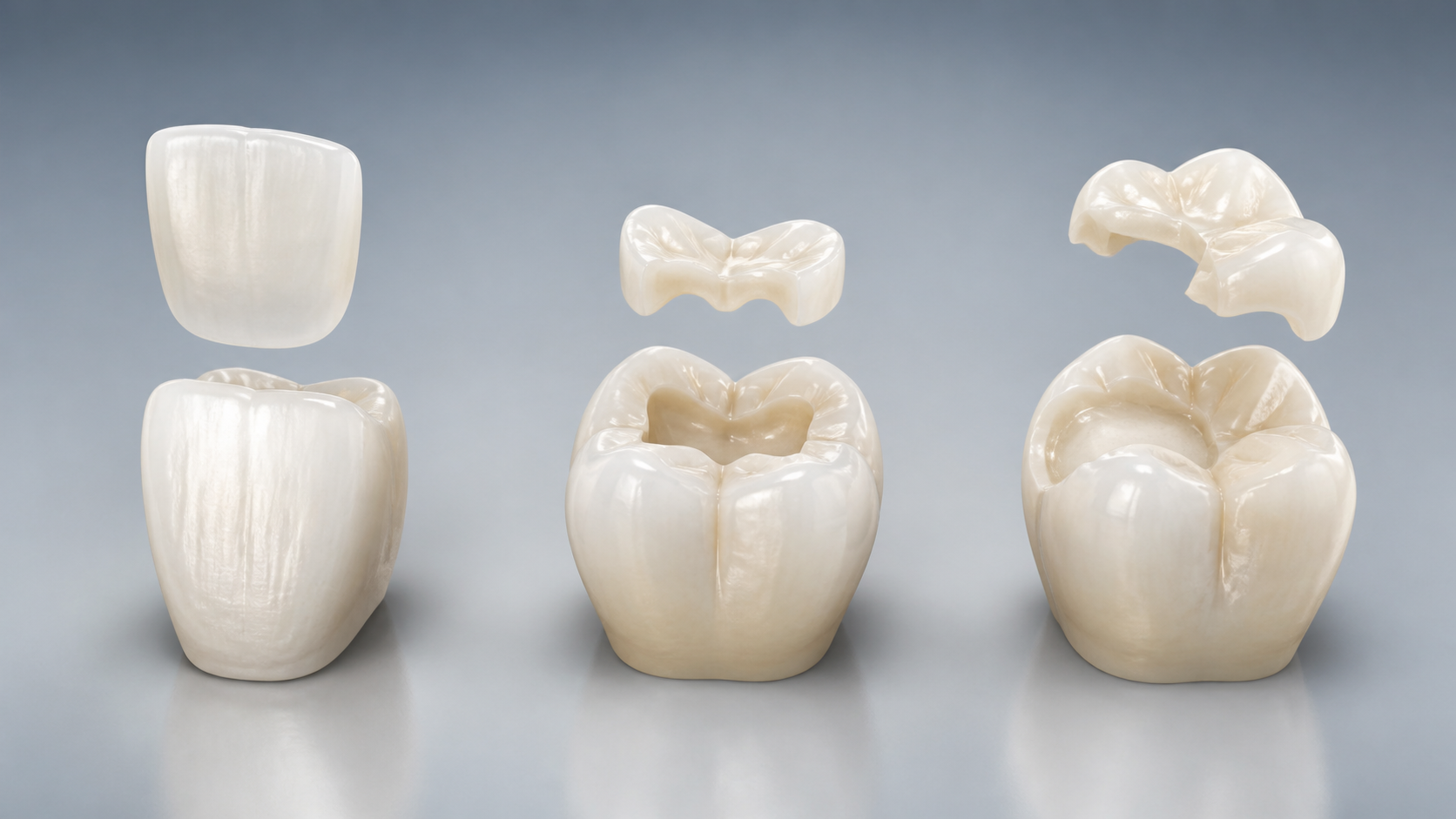
A clear comparison of veneers, inlays and onlays, their limits, treatment steps and questions to ask at a consultation.
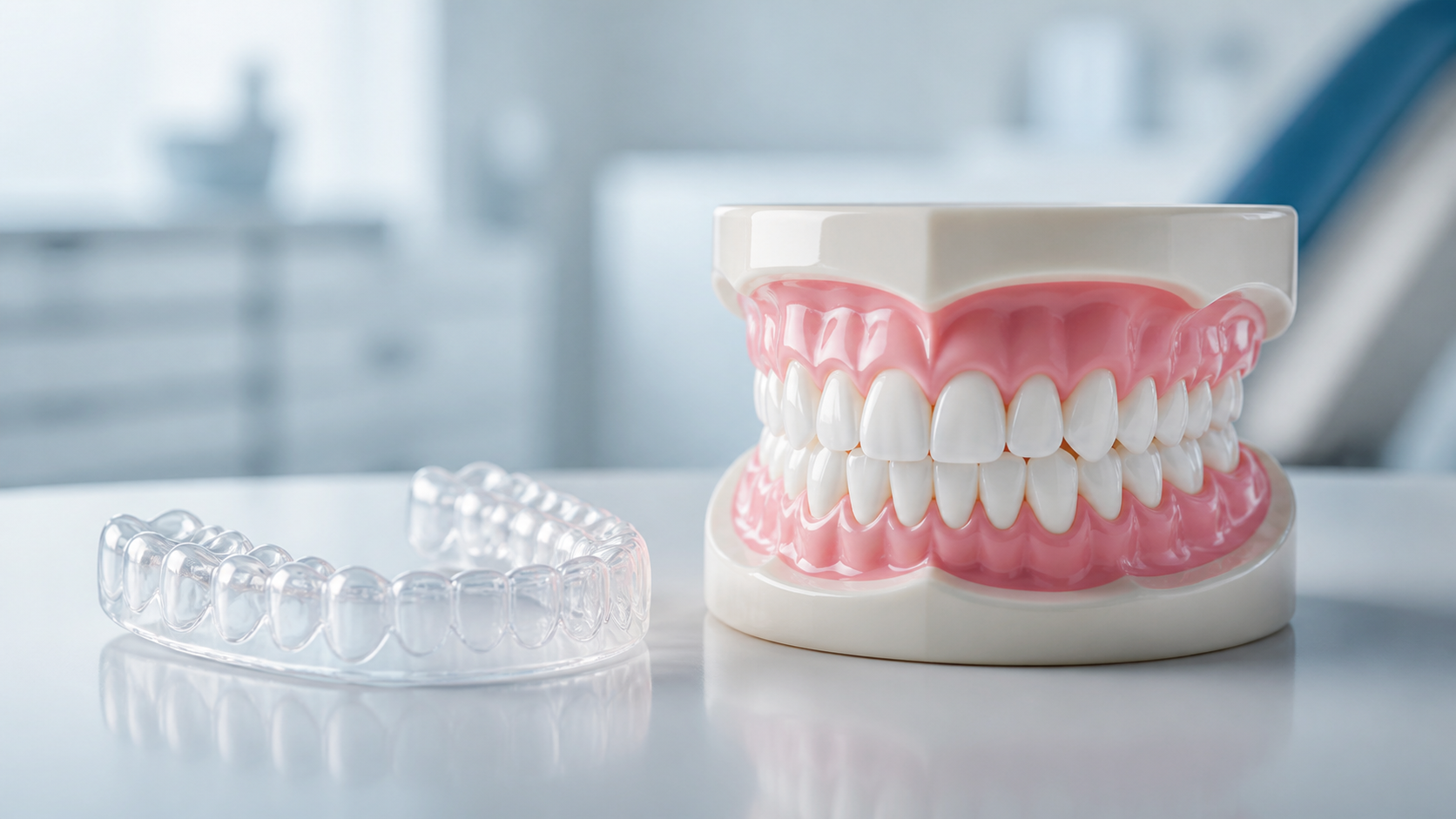
How transparent aligners work, what planning includes, what affects the result and why retainers matter.

Which daily habits can affect teeth and gums, how to lower risk, and when to see a dentist.

A practical checklist for documents, team, diagnostics, treatment plans, estimates, consent and pressure-free communication.
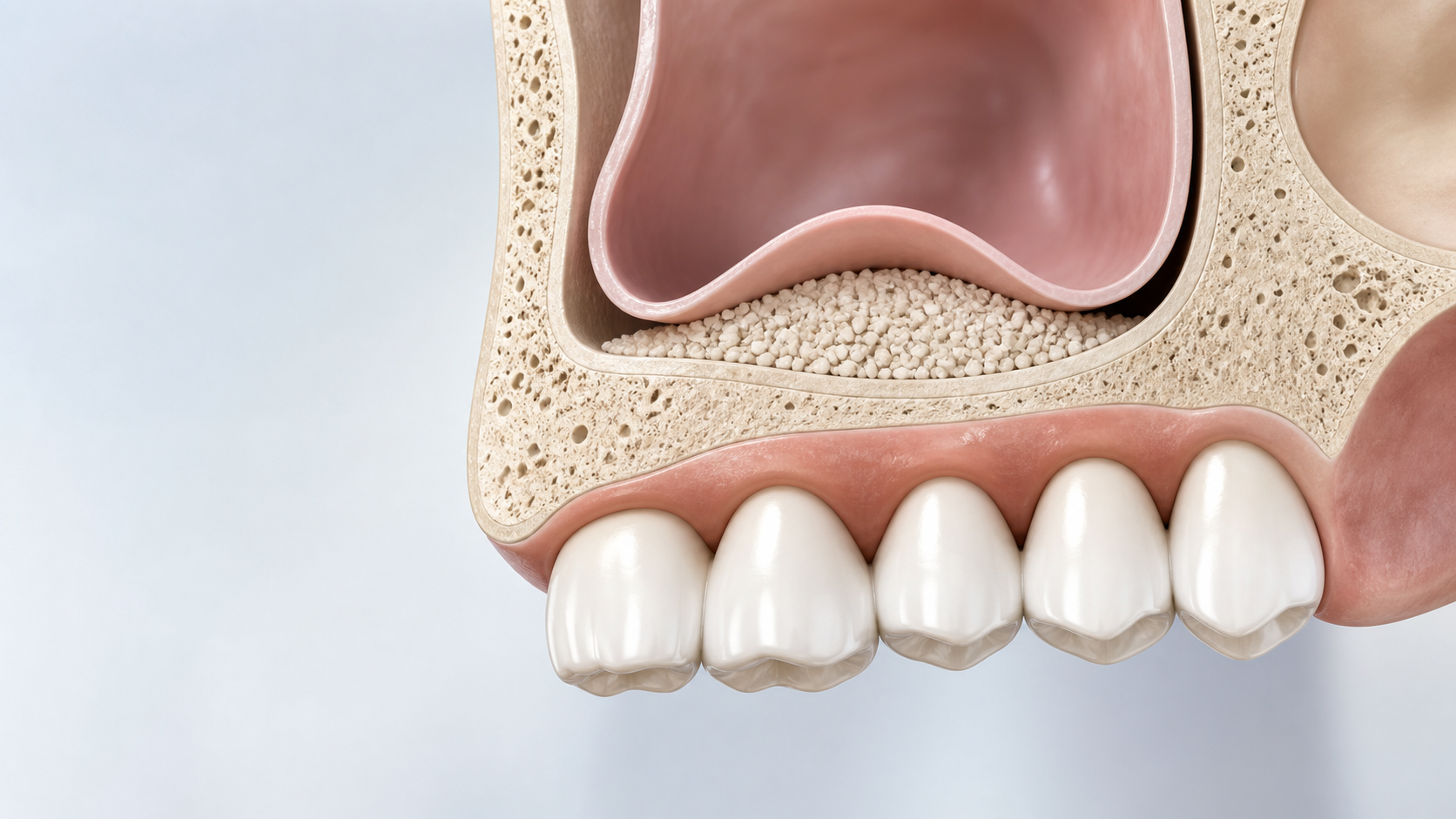
When raising the maxillary sinus floor may be considered before an implant, how the approach is chosen, and the risks and alternatives to discuss.
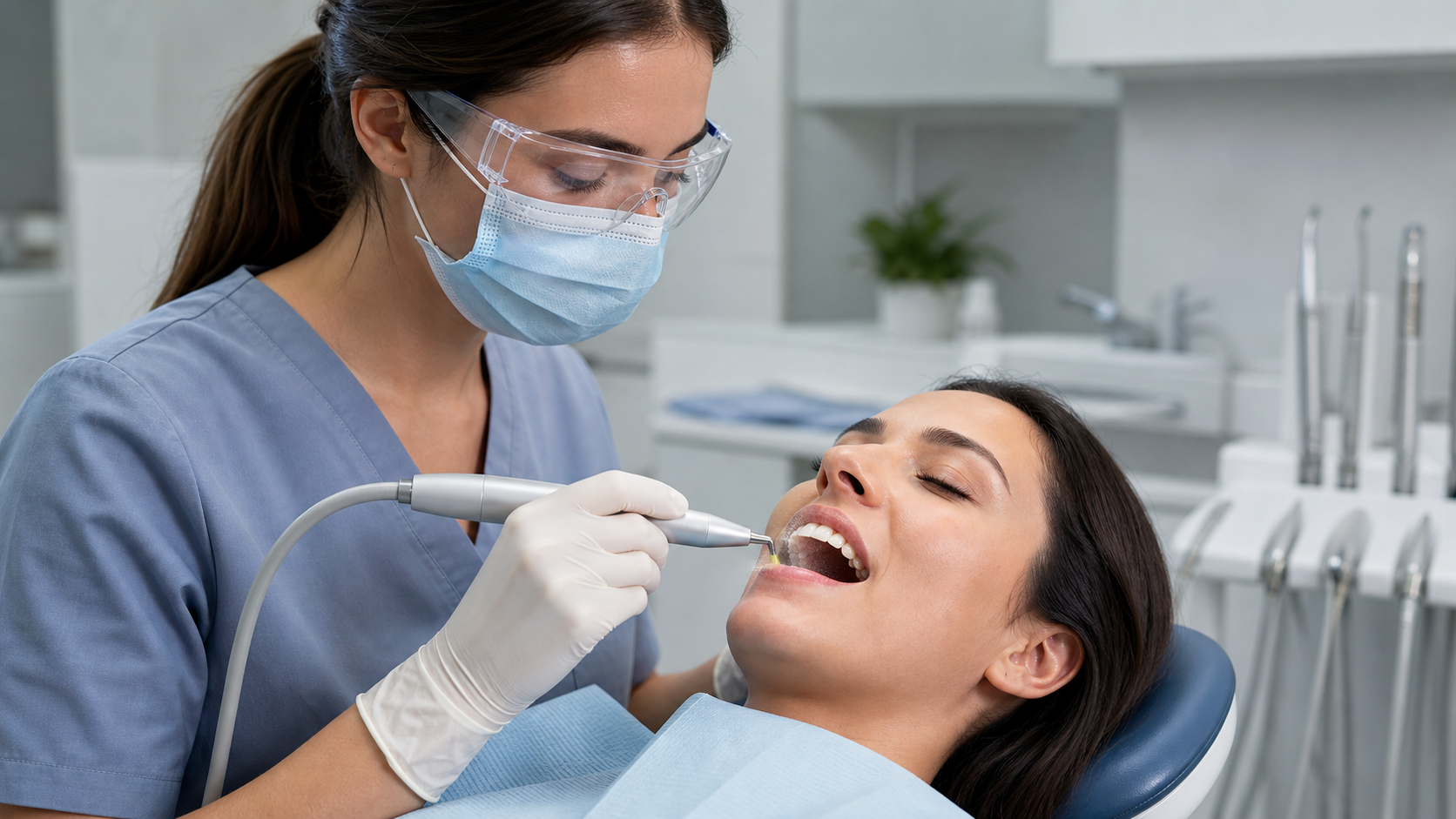
What is included in professional hygiene, when ultrasound and Air Flow are used, what is considered normal after the procedure and when a doctor is needed.
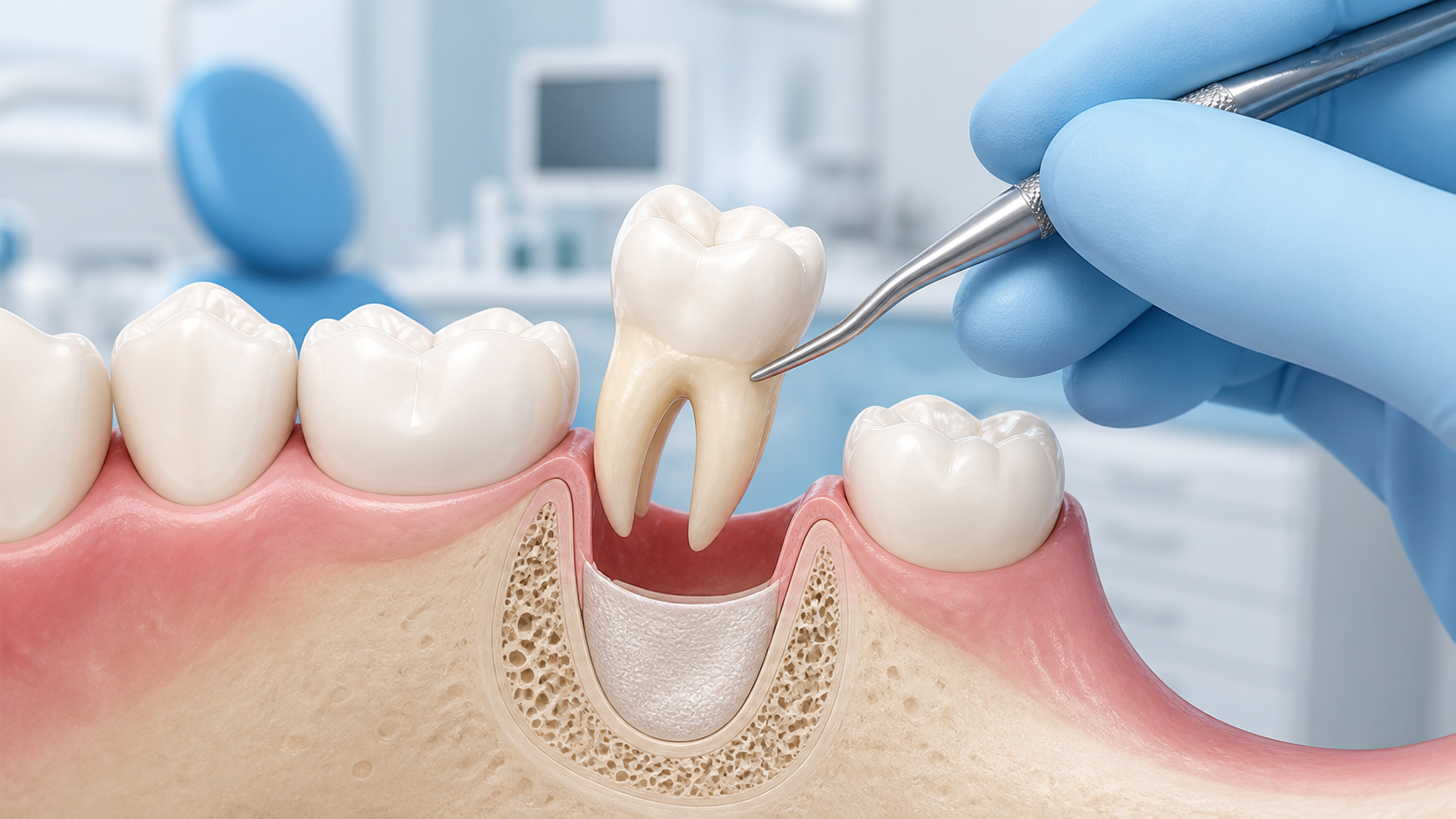
When is removal really necessary, how do you prepare for it, what happens after the procedure, and in what cases is urgent help needed?
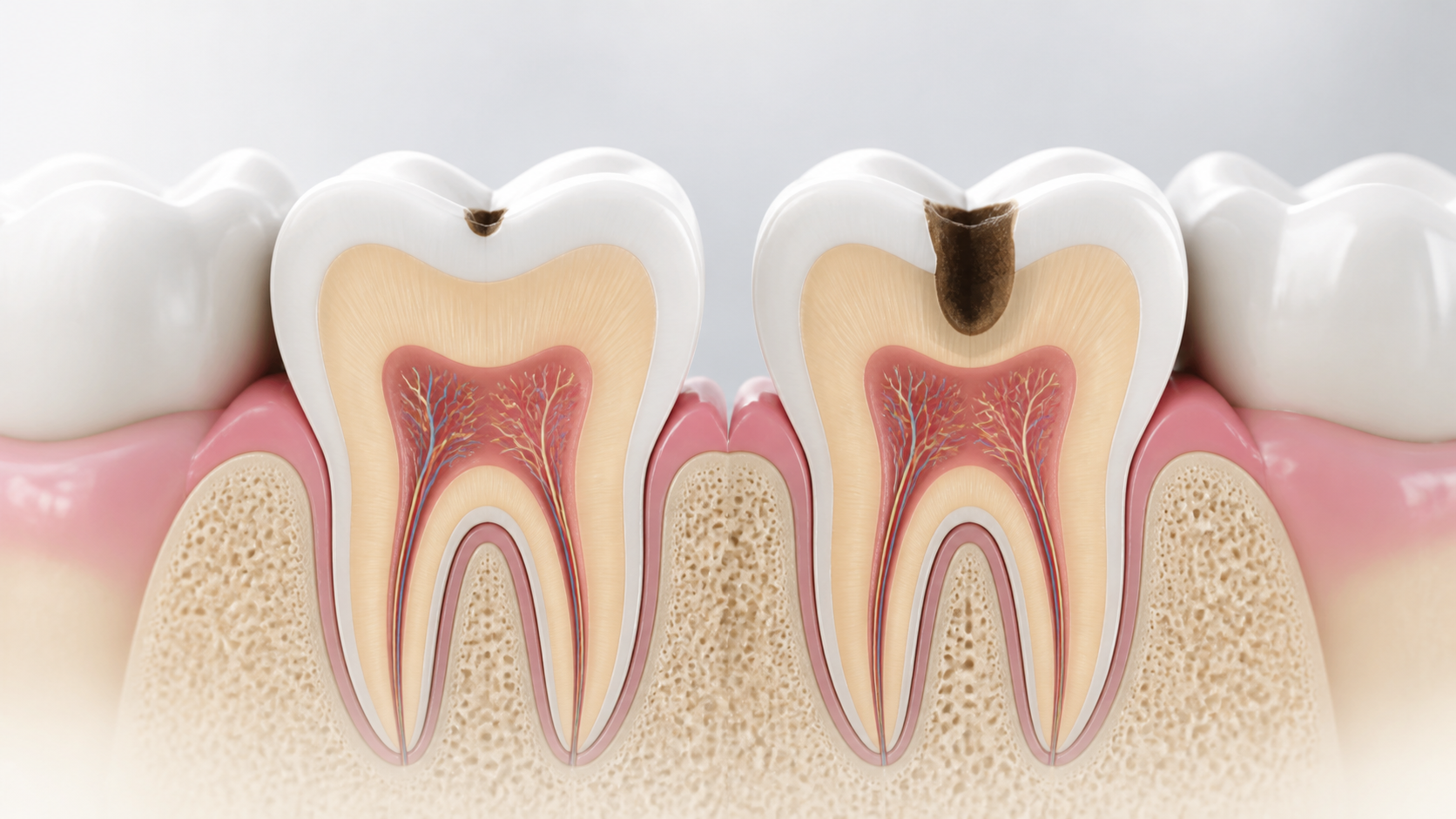
How caries develops, what signs require an in-person assessment, what the dentist does and how to reduce the risk of new lesions.

When you should not postpone your visit, how to plan diagnosis and treatment, what to discuss with your obstetrician-gynecologist and how to carefully care for your teeth.
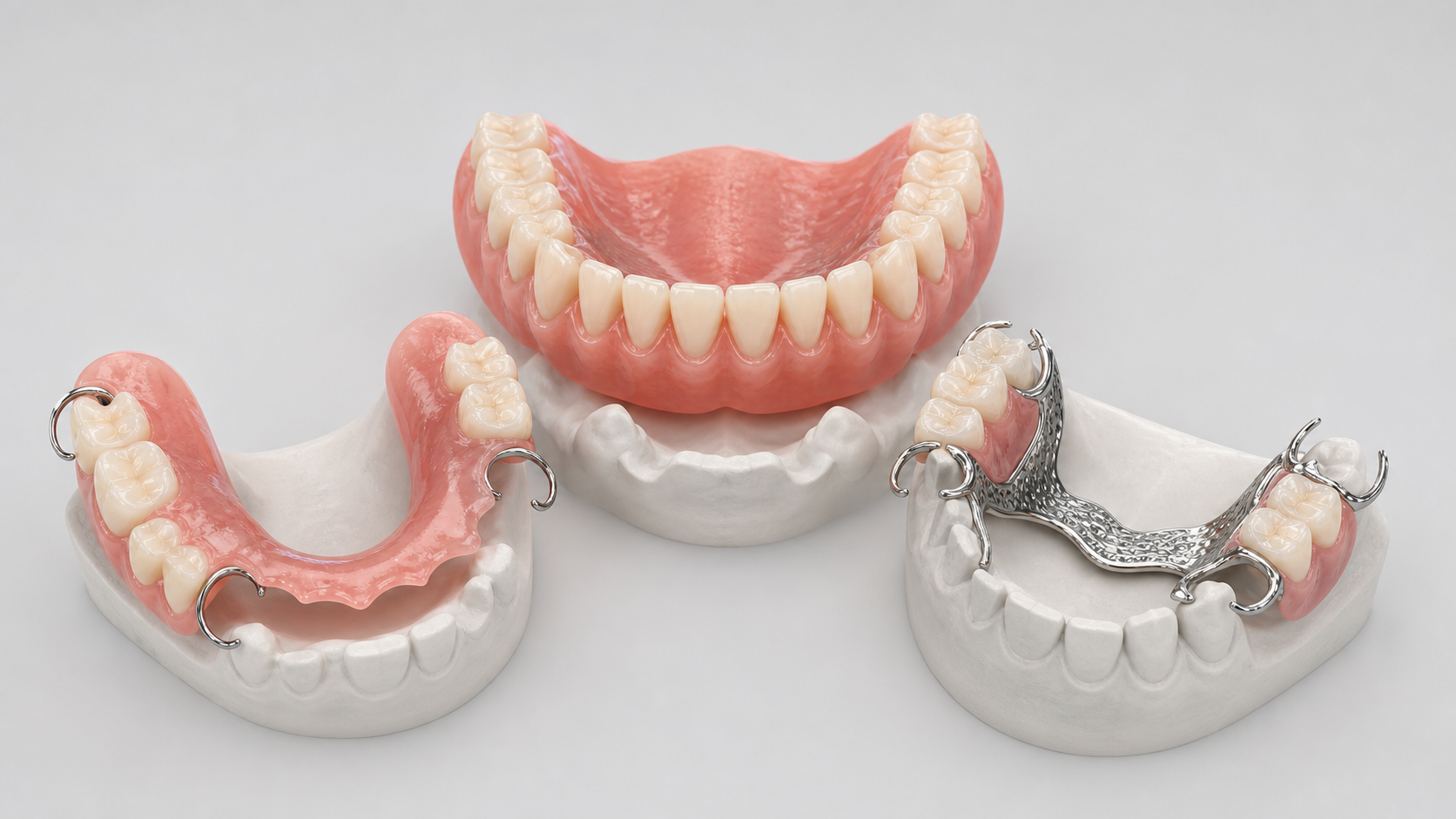
What types of removable dentures are there, how adaptation takes place, how to care for them and when it is worth discussing alternatives with your dentist.
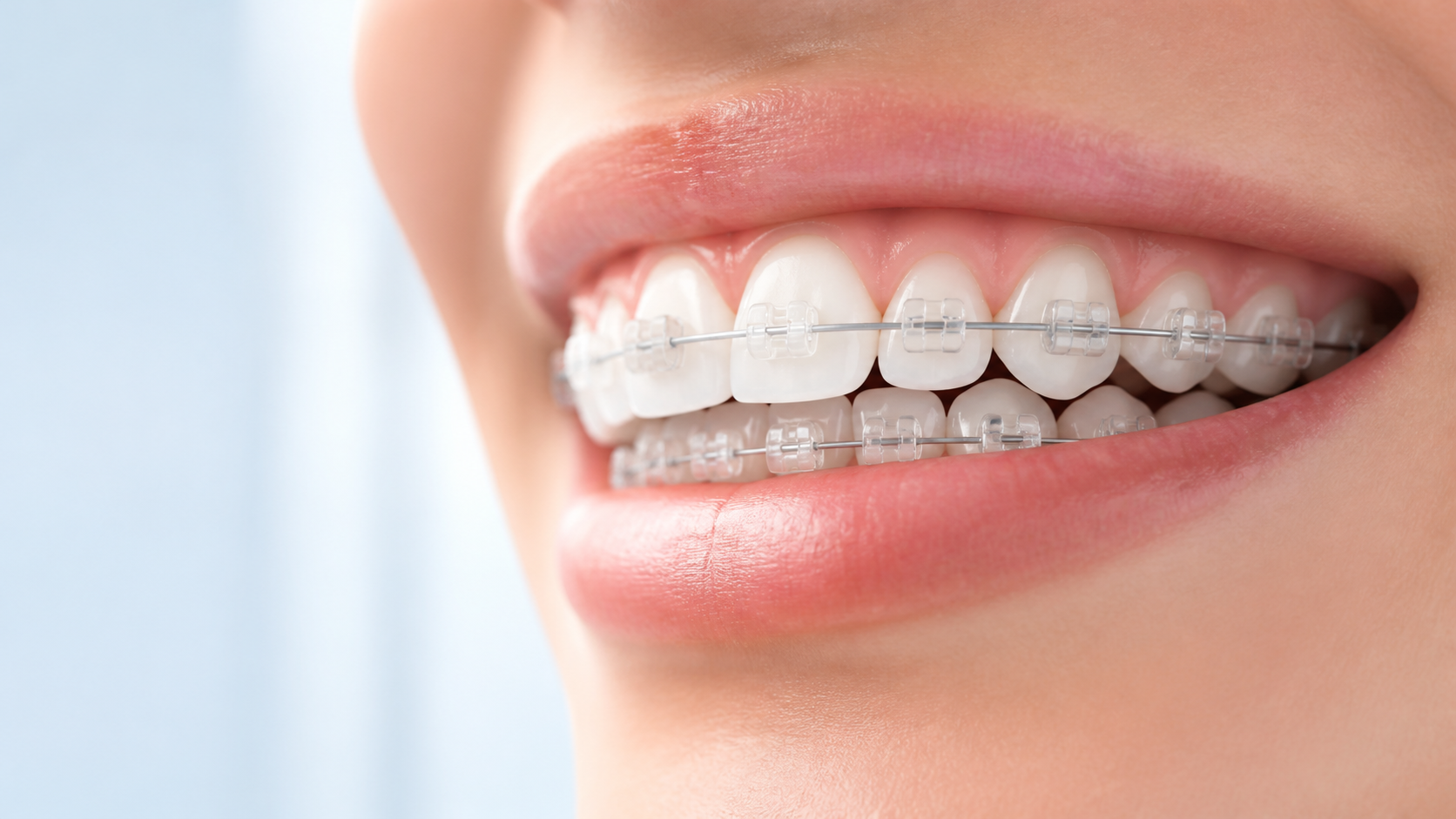
How braces are designed, how treatment is carried out, what the result depends on, why retention is needed and when to contact an orthodontist.

How the frequency of sweets, sour drinks, water, snacks and saliva affect teeth - and when changing habits is not enough.
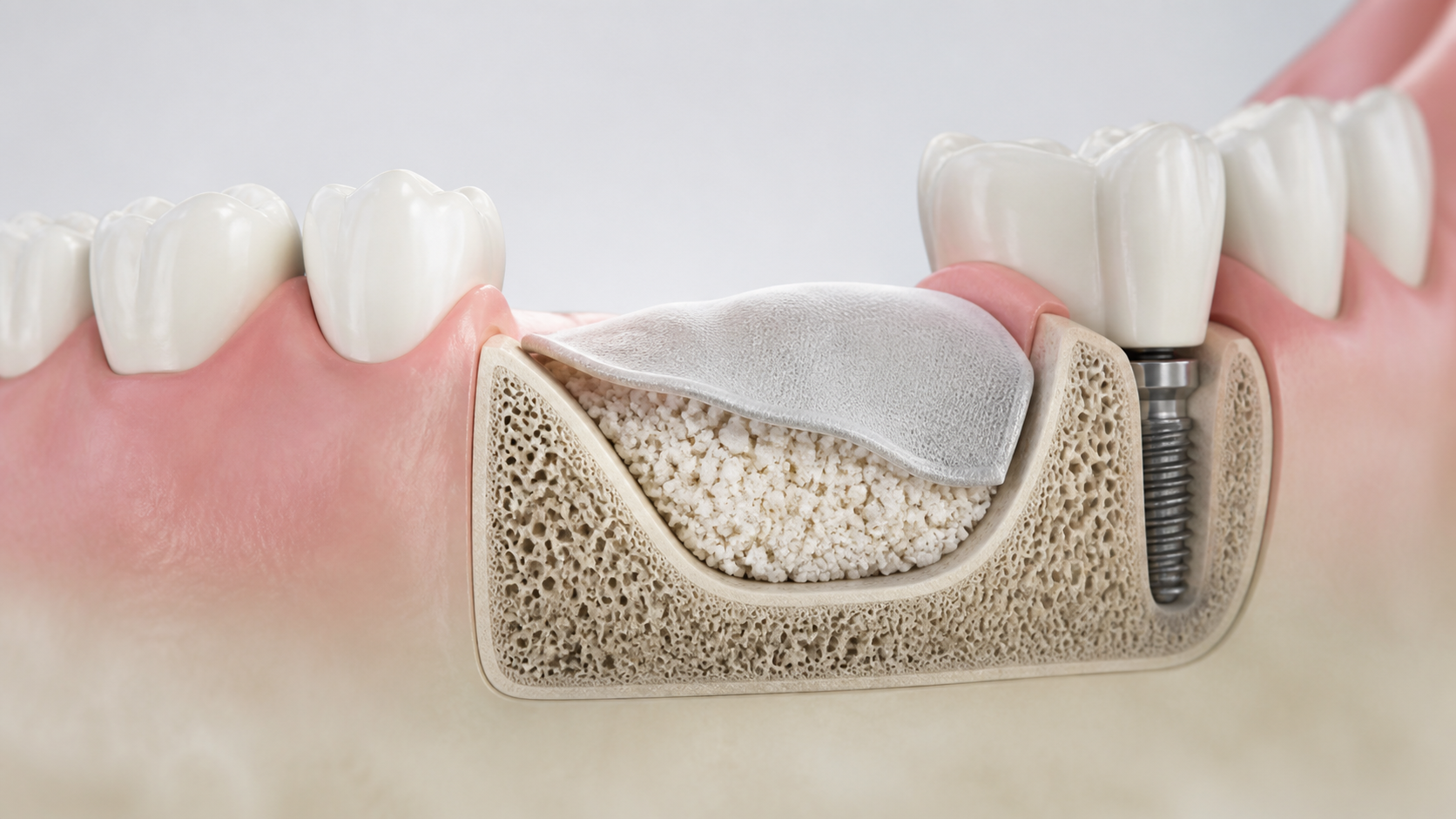
When before implantation it may be necessary to restore bone volume, how is the preparation carried out, what options are there and what to ask the doctor about.
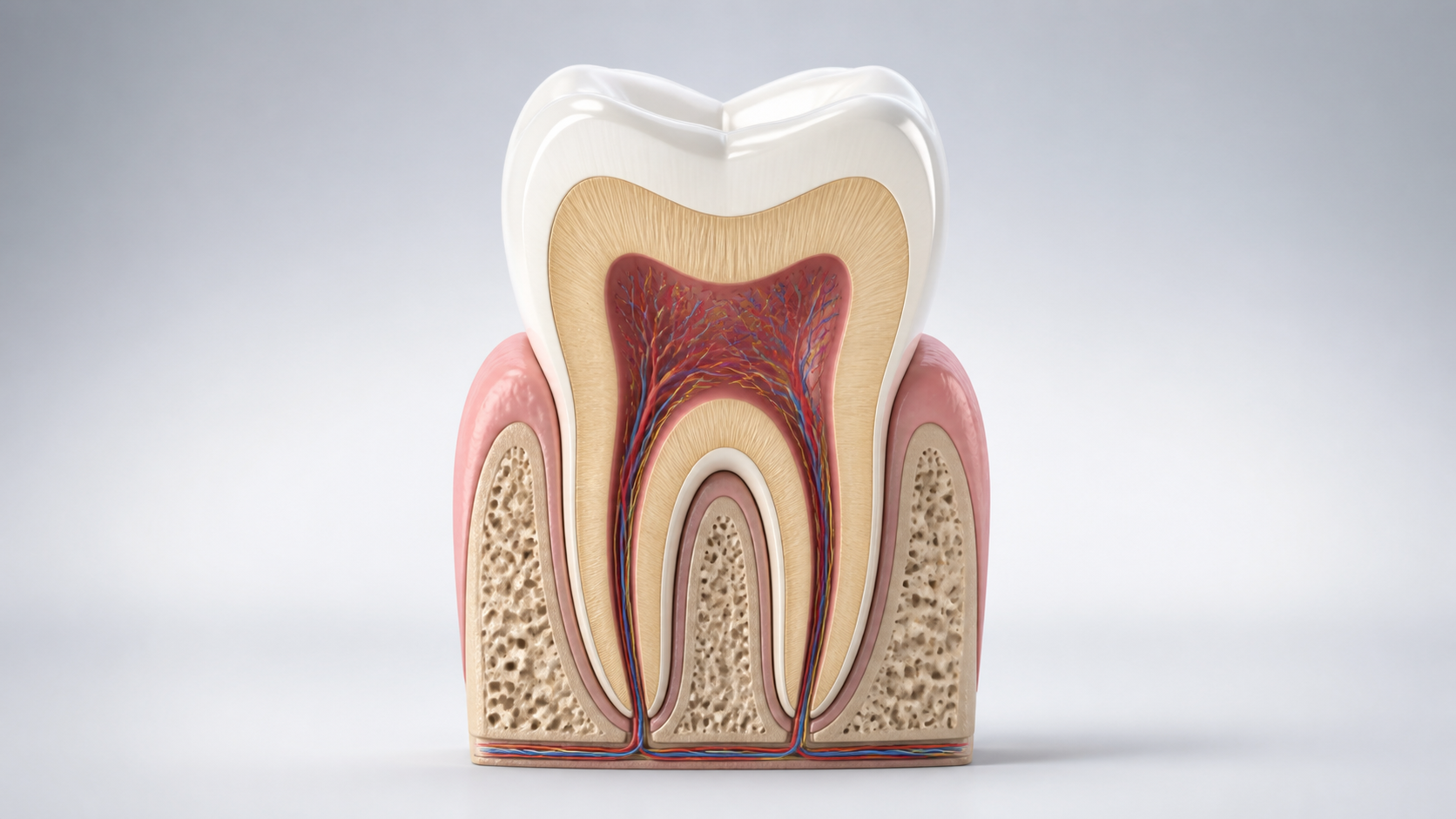
What a tooth is made of, why caries and inflammation can cause pain, what common dentist terms mean, and when an examination is needed.
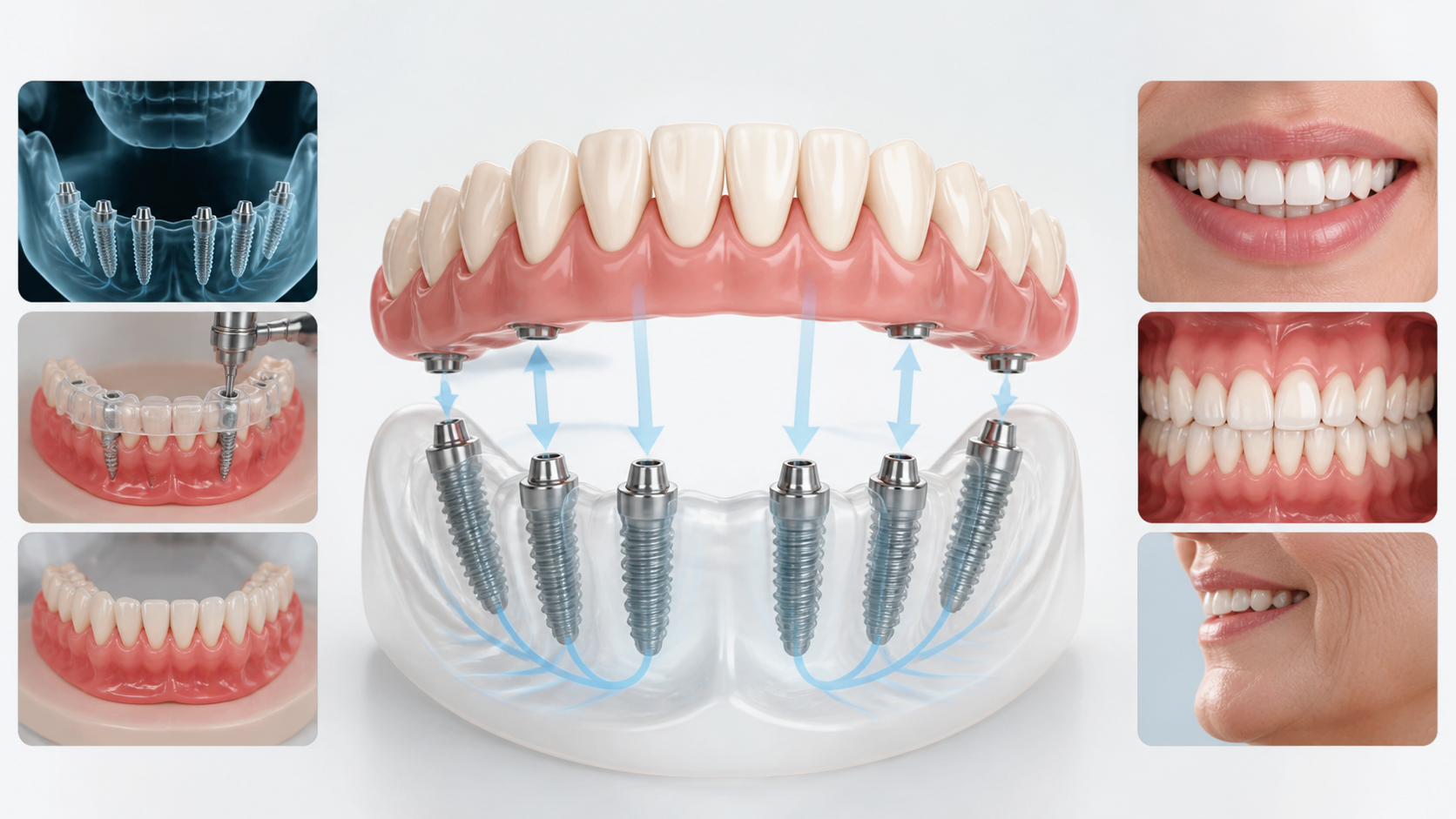
How a full fixed structure on six implants works, what is assessed before treatment, what are the limitations, care and alternatives.

How to brush your teeth and interdental spaces, what additional products provide and in what cases home care is not enough.
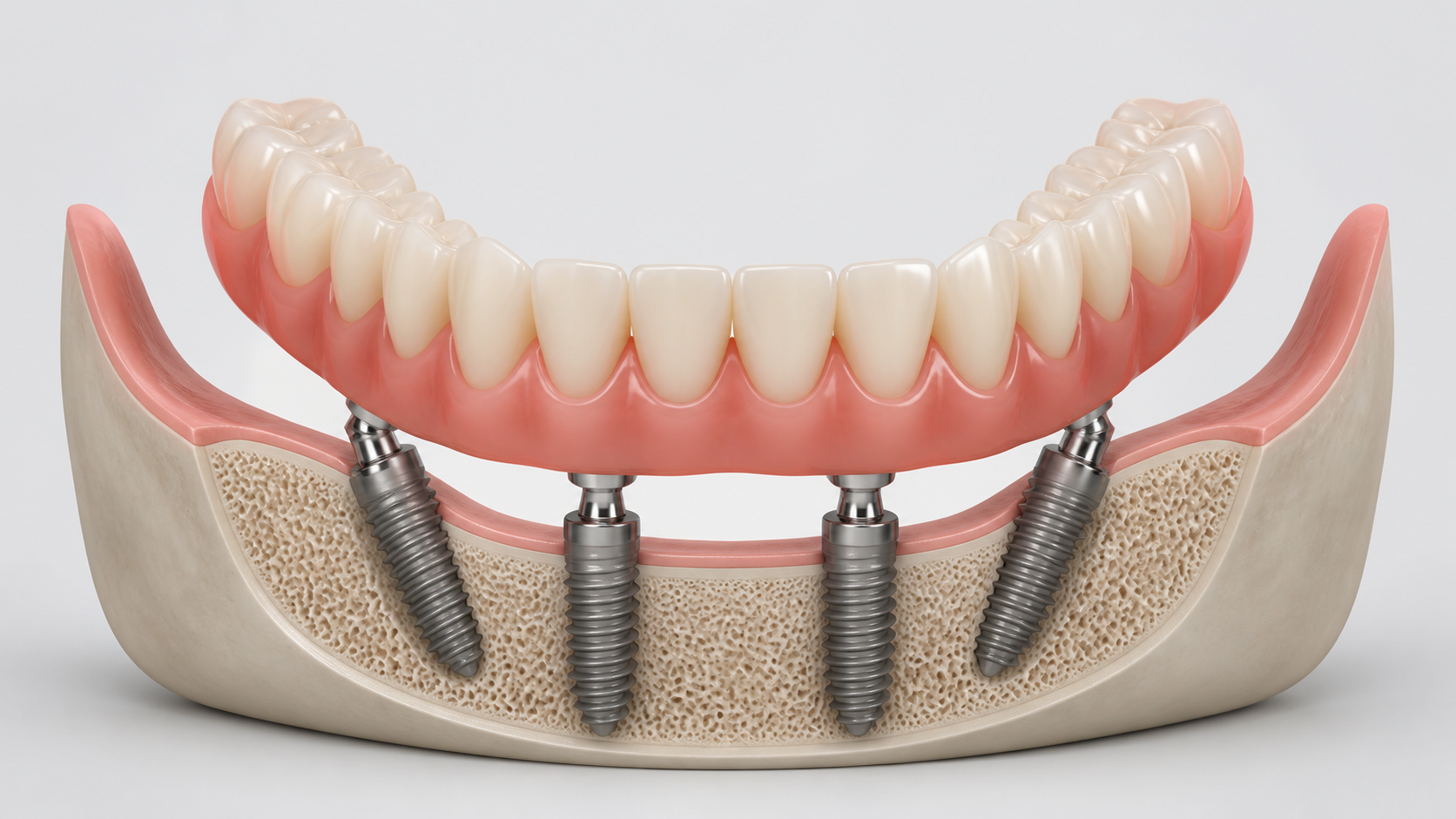
How a complete fixed structure on four implants works, what is assessed before treatment, what are the limitations, care and alternatives.
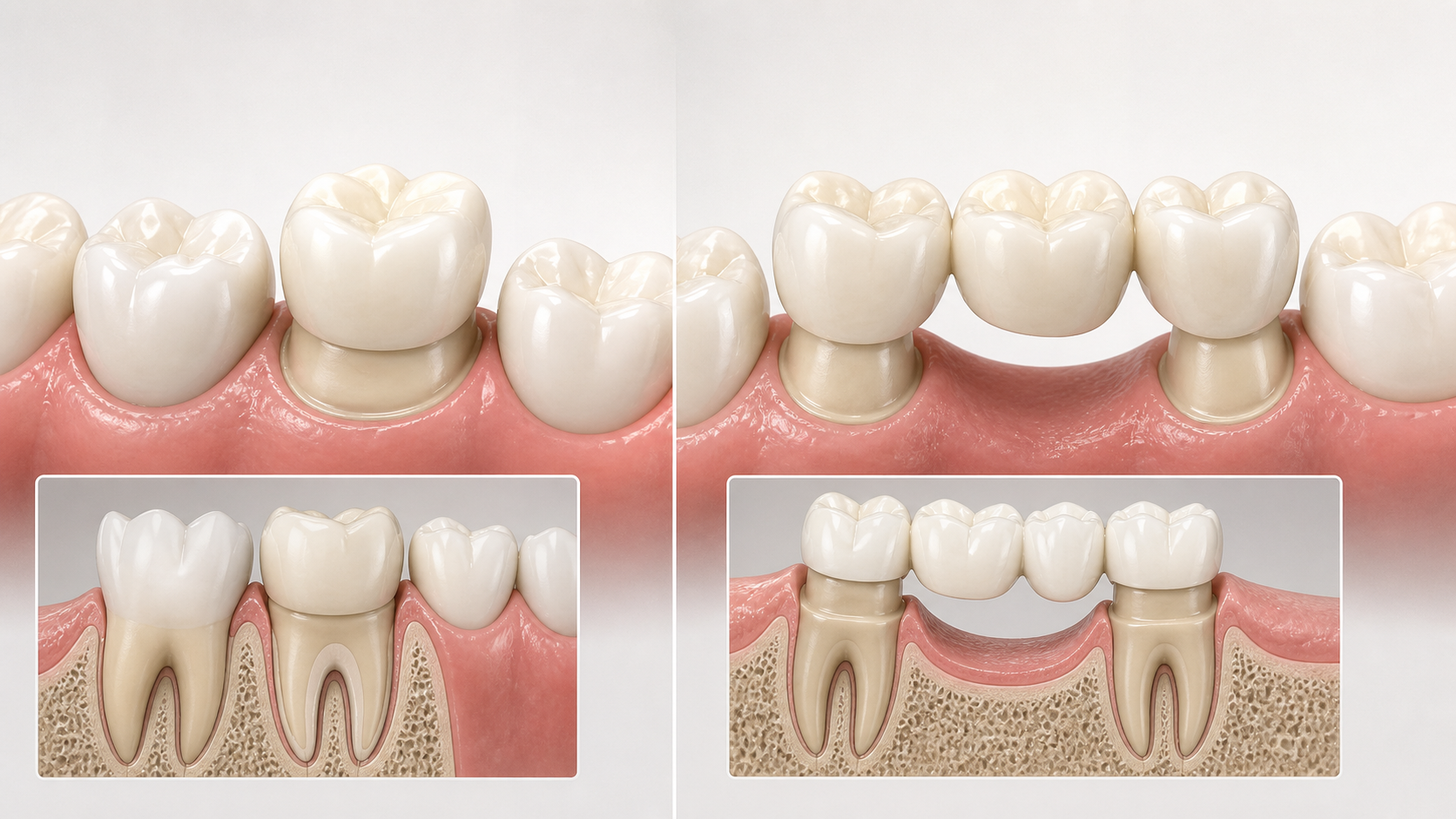
How does a crown differ from a bridge, how to choose a design, what is important for service life and what questions to ask the doctor.
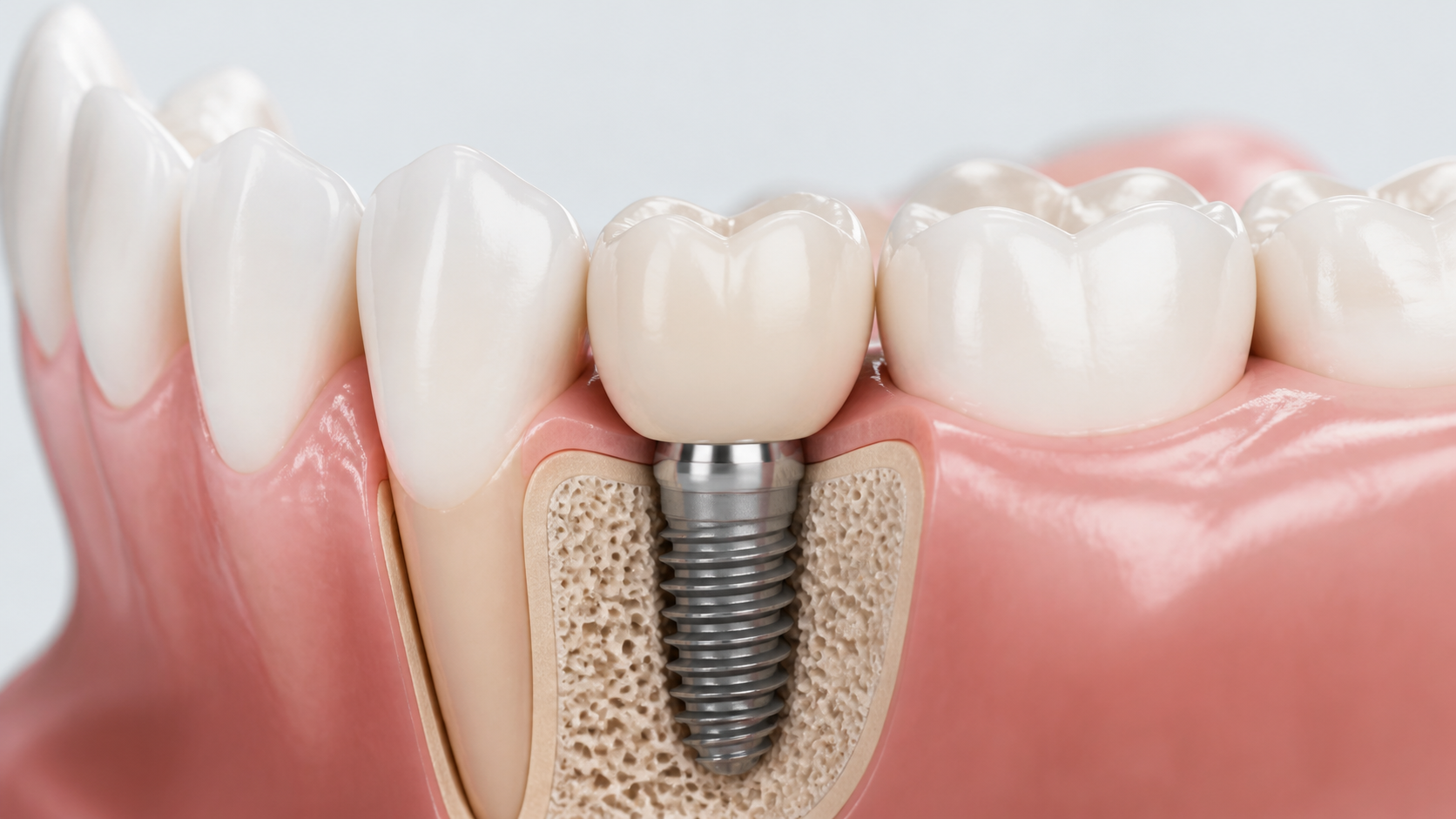
When an implant is placed on the day of tooth extraction, how does this differ from a “tooth in a day”, what conditions are important and what to ask the doctor.
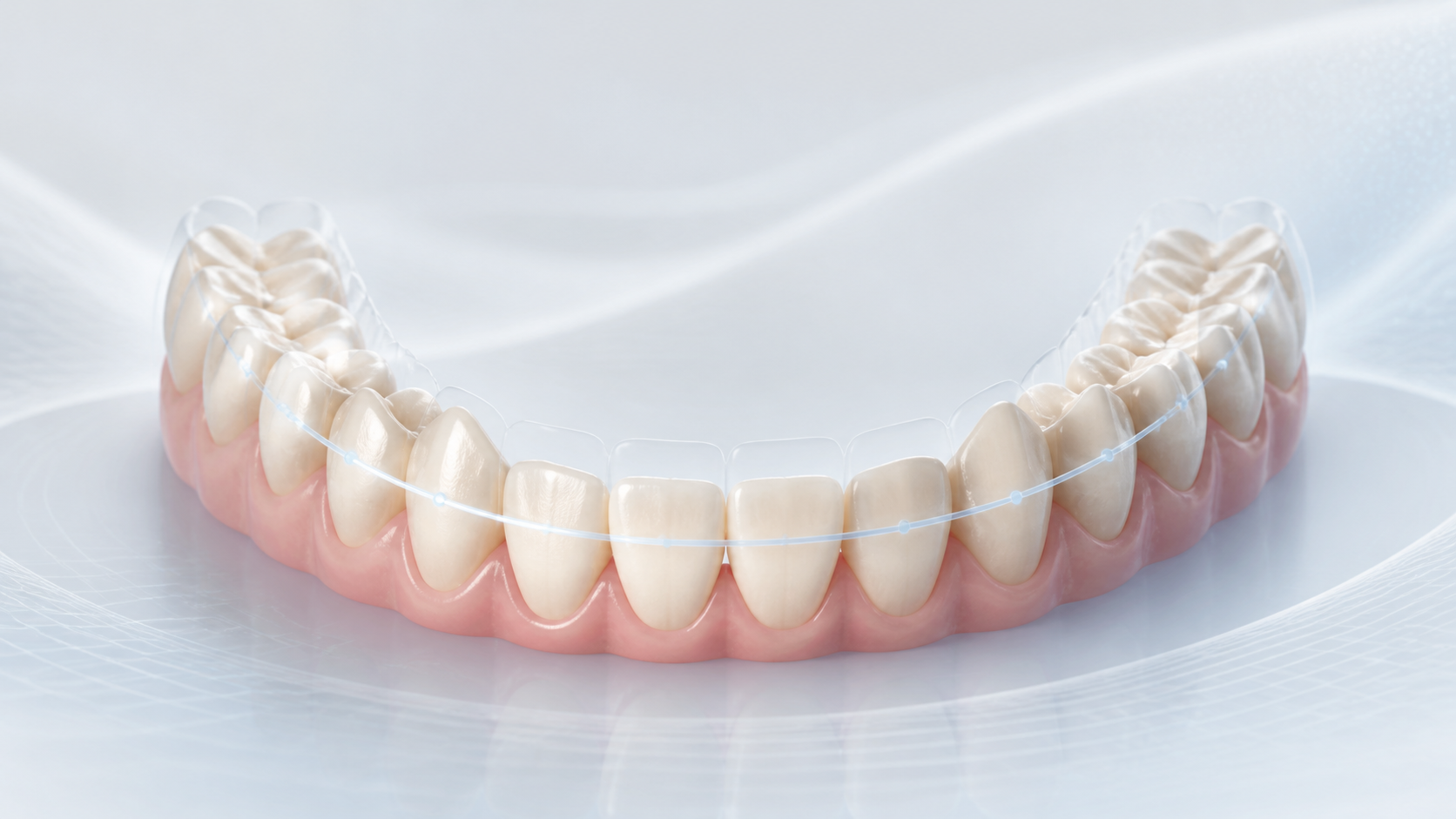
What does orthodontics correct, how to choose braces or aligners, why retention is needed, and what questions to ask during a consultation.
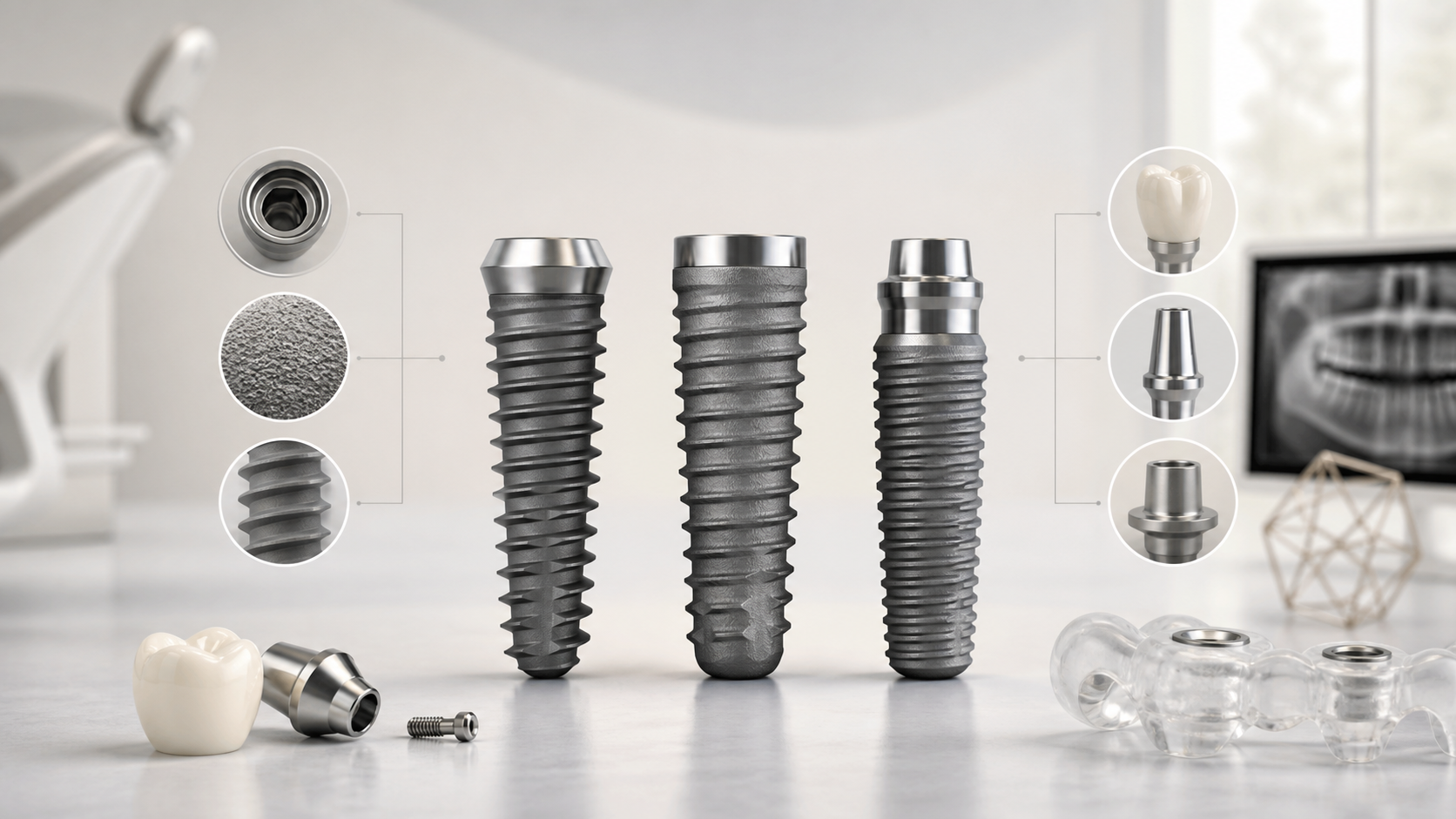
What parameters of the implant and future prosthesis are important, why one brand is not enough and what to ask during the consultation.

Let's look at what local anesthesia does, why sensations vary, and when toothache cannot be put off.
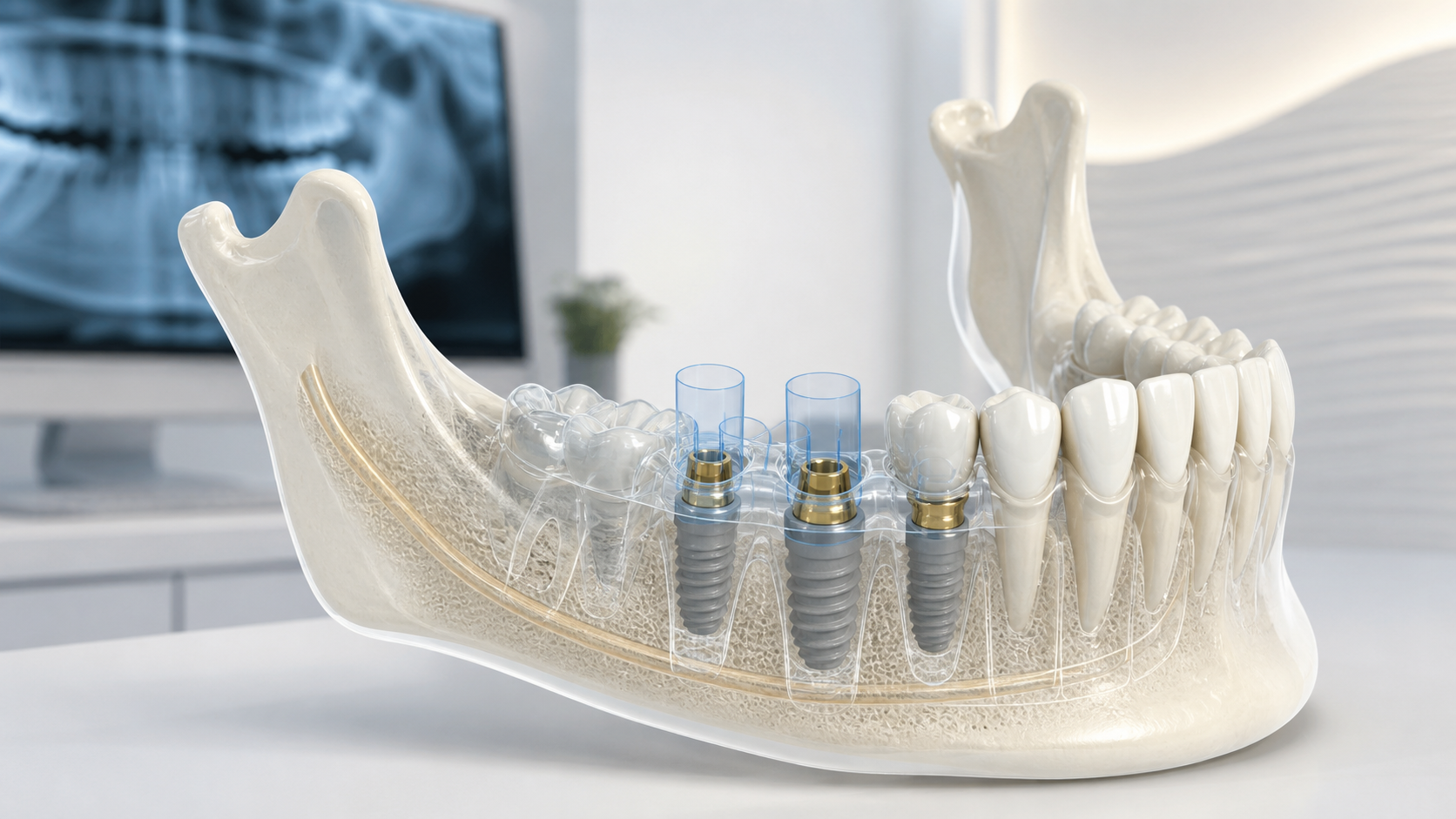
We will analyze what data the implantation plan consists of, why examination and images are needed, and why a digital plan does not guarantee results.
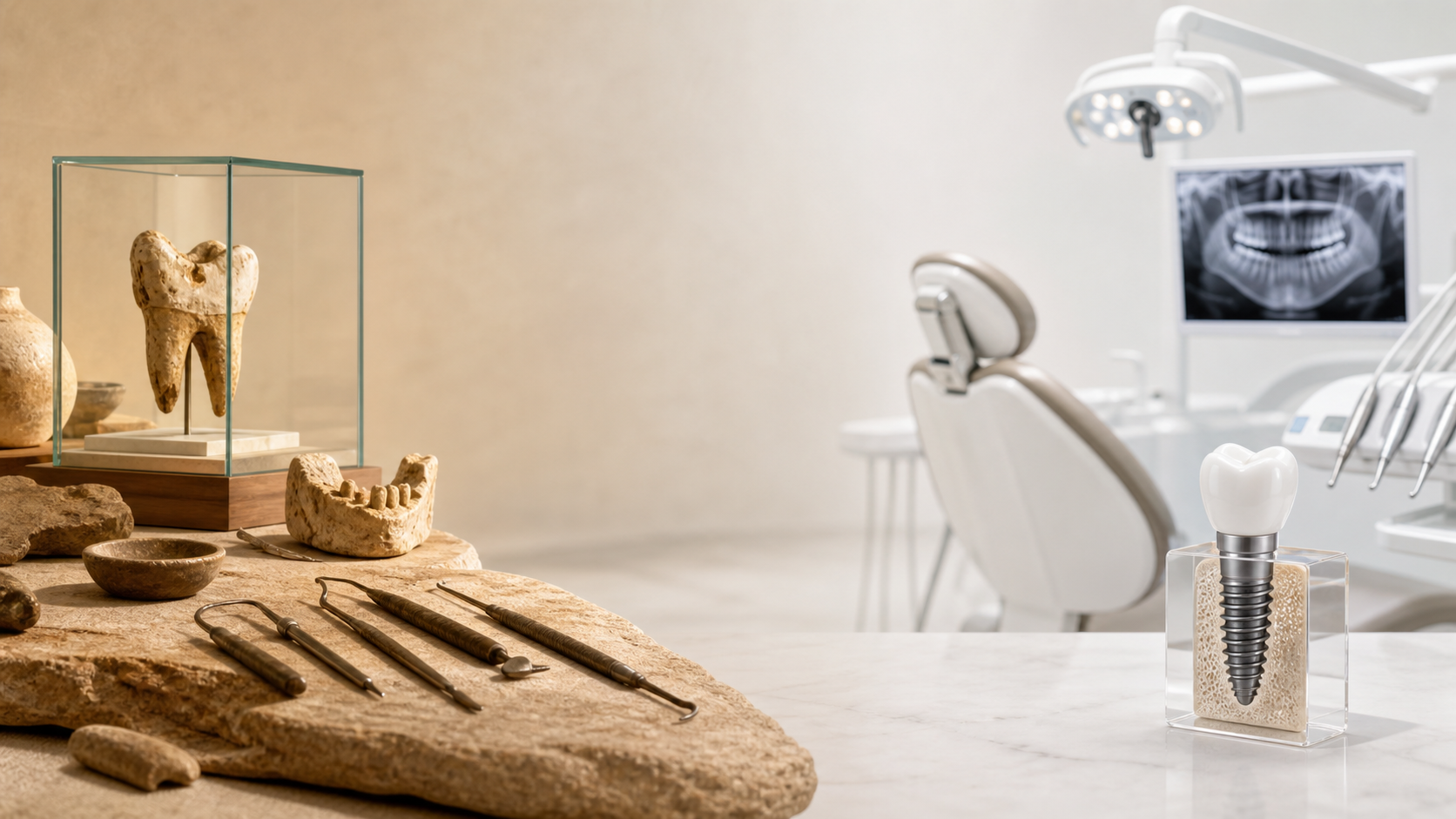
We analyze archaeological traces of dental treatment, early tools and legends that should not be taken as proven fact.
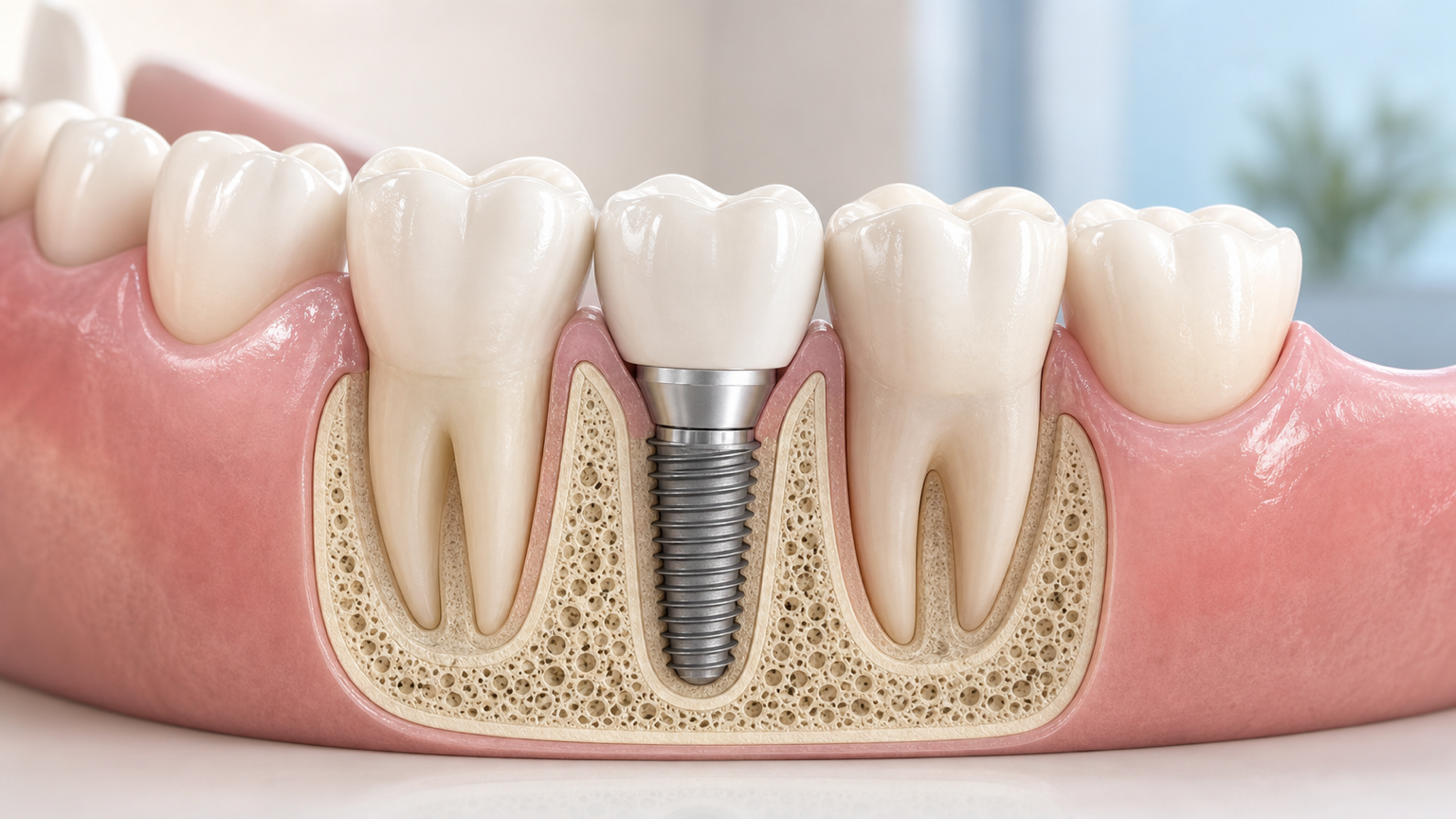
What the implant consists of, how treatment is planned, when rapid loading is possible and what the long-term result depends on.
Editorial map
Each article answers one practical patient question.
Diagnostics, treatment stages and questions to ask your dentist.
In the editorial planWhat happens during an examination and how a treatment plan is prepared.
In the editorial planOptions, limitations and the sequence of treatment.
In the editorial planHave an individual question?


