
 23 Tumanyan St, Yerevan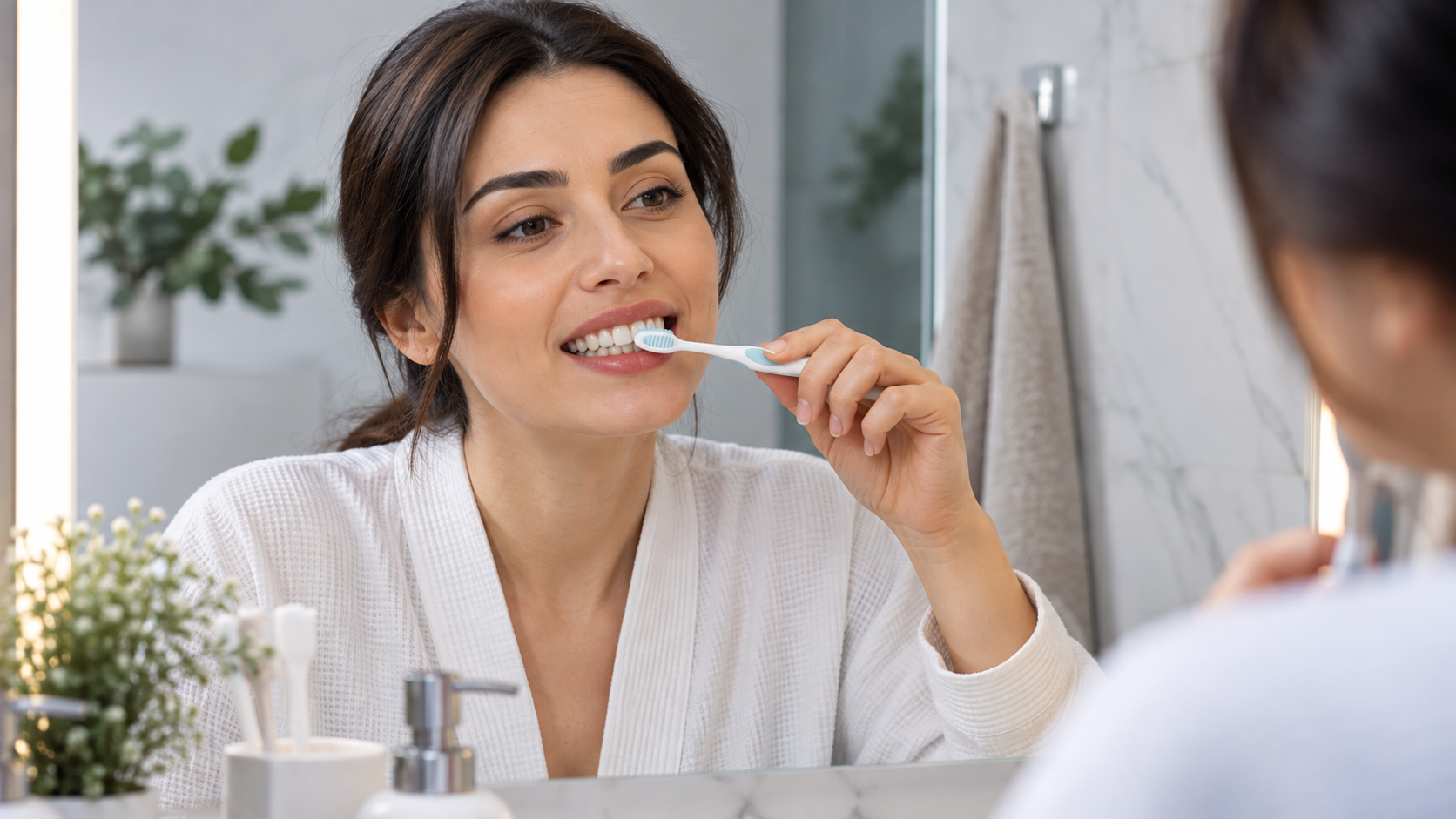
Key points in one minute
The essentials from day one
- Do not test implant stability with your fingers, tongue or hard food.
- Watch the direction of pain and swelling: deterioration after improvement needs professional advice.
- Mouthwash and a water flosser do not replace physical plaque removal; use them near the wound only as instructed.
- Agree on follow-up, stitch management and access to care after leaving Yerevan before surgery.
Why recovery does not follow one universal timetable
An implant sits in the bone. Above it there may be a cover screw, a healing abutment or a temporary crown. What you can see does not tell you whether integration with the bone is complete. Being pain-free does not mean every type of chewing load is safe.
The care plan depends on the extent of surgery, gum health, bone grafting, implant position and restoration design. Diabetes, previous periodontitis, smoking and difficulty cleaning need specific discussion. Do not stop regular medicines, including those that affect blood clotting, without agreement from the clinician responsible for them.
Before leaving the clinic, ask what has been fitted, where you may chew, how to clean the surgical area and whom to contact in the evening. If instructions seem inconsistent, ask how they apply to your procedure instead of choosing the most convenient online advice.
The first day: protect the wound and rest
While your mouth is numb, you can bite your lip or cheek or fail to notice that food is too hot. Wait for sensation to return before normal chewing, and follow your discharge instructions about food and drink. Avoid vigorous rinsing on the day of surgery and leave the stitches alone.
A little blood in the saliva can occur. Ongoing active bleeding cannot be assessed reliably from a photograph: follow the instructions you were given and contact your surgeon if it does not stop. Heavy bleeding or associated weakness needs urgent medical attention.
Allow time to rest. If a cold compress was recommended, use it externally through a cloth with breaks, rather than directly on skin or the wound. After sedation, follow the separate rules on driving, operating machinery and having someone accompany you. Avoid alcohol during recovery, particularly while taking prescribed medicines.
Soft food can still be varied
Start with soft food at a comfortable temperature that is easy to swallow and does not scrape the wound. Mashed vegetables, a soft omelette or yoghurt may suit, depending on your dietary needs. Keep hydrated. Recovery does not require fasting or relying entirely on sweet drinks.
Chew only where your surgeon has allowed it. Do not test a temporary crown with nuts, hard toast or tough meat. Teeth fitted immediately after surgery can still have strict loading limits. If a denture presses on the wound, arrange an adjustment rather than filing it yourself.
Returning to your usual diet depends on healing and restoration design. Bone grafting or multiple implants may require different restrictions. Ask for specific examples of suitable meals and the milestone or date at which you can widen your choices.
Pain, swelling and prescribed medicines
Some soreness, swelling and bruising can follow surgery. Their trend matters more than a comparison with someone else’s appearance: gradual improvement is different from pain and swelling that start increasing again. Contact your clinician if the prescribed pain relief is not helping.
This article does not provide a drug regimen. Take prescribed medicines as instructed, with your allergies, medical conditions and regular treatment taken into account. Do not add leftover antibiotics or combine products containing the same active ingredient. Report an unexpected reaction; breathing difficulty requires emergency care.
A prescribed antiseptic has a defined method and duration of use. Continuing it indefinitely as a precaution does not replace cleaning or an examination. Do not increase its concentration or apply alcohol or harsh solutions to the wound.
Toothbrushes, interdental aids and water flossers
Keeping your mouth clean matters throughout recovery, but the technique changes as the wound heals. Continue careful cleaning of the other teeth and follow your surgeon’s directions around stitches. Abandoning oral hygiene for weeks is no more helpful than scrubbing a fresh wound.
Once direct cleaning is allowed, a soft toothbrush removes plaque without heavy pressure. Gaps and the space beneath an implant bridge need suitably sized interdental brushes or another aid selected by a professional. Ask for a demonstration on your own restoration rather than relying on a generic diagram.
A water flosser may supplement care once your clinician permits it. Do not direct the jet into a fresh wound or use maximum pressure to make your mouth feel cleaner. Floss should not injure the gum. If an aid will not pass, catches or causes repeated bleeding, have the technique and restoration checked instead of applying more force.
Daily plaque removal remains essential after healing. An implant does not develop tooth decay, but its surrounding tissues can become inflamed. Bleeding, an unpleasant taste or a smell around an implant warrants an examination even when there is no pain.
Stitches and follow-up: do not wait for pain
Some stitches dissolve; others need professional removal. Do not pull at them or cut them at home. Contact the clinic if a stitch opens, a restoration rubs the lining of your mouth or a visible component becomes loose. Do not attempt to tighten it yourself.
Your surgeon sets the first postoperative review and assesses the stitches. Later checks address healing, readiness for the definitive restoration and your bite. Once treatment is complete, ongoing preventive appointments should follow an individual schedule based on gum health, risk factors and access for cleaning.
A review assesses the tissues around the implant, plaque, bleeding and the restoration. An X-ray is taken when it serves a clinical purpose. Home care and professional maintenance work together; one clinic cleaning cannot make up for months of accumulated plaque.
Exercise, smoking and flights
Avoid strenuous exercise and heavy physical effort during the first day. Agree on a return to sport with your surgeon, considering the extent of surgery, bleeding and how you feel. Contact sports also introduce the risk of a blow to the jaw. A blanket promise that all activity is safe the next day is unsuitable.
Smoking impairs healing and is associated with disease around implants. Discuss help with quitting before treatment. Switching to vaping should not be regarded as a proven safe way to protect the wound. A short break does not remove all long-term risks.
There is no single safe flying interval for every implant procedure. Individual clearance is particularly important after a sinus lift, bone grafting or complications. Before booking, check the review date, your surgeon’s restrictions and the airline’s requirements. This article is not a fitness-to-fly certificate.
If you travelled to Yerevan from abroad, allow time for a review and obtain a discharge summary, implant details, prescriptions and a contact route. Decide who can examine you after you return home. Photographs can help you communicate a concern, but cannot replace an in-person examination.
When to monitor and when to seek help
The table helps you choose an action, not make a diagnosis. Sudden deterioration, difficulty breathing or swallowing, or rapidly spreading swelling requires immediate medical attention. Do not wait for a chat reply.
| Situation | Action |
|---|---|
| Mild soreness and swelling are gradually improving | Follow your written instructions and attend the scheduled review |
| Pain or swelling increases again; pus, fever or an unpleasant taste appears | Contact your surgeon promptly for an examination |
| Active bleeding continues despite the measures you were given | Seek urgent medical attention |
| An implant, crown or bridge becomes loose | Avoid loading it and contact your clinician |
| Breathing or swallowing is difficult, or swelling grows rapidly | Seek emergency care immediately |
| Numbness lasts beyond the expected period or returns | Tell your surgeon without waiting for the routine visit |
When general advice is not enough
A sinus lift, bone grafting, extensive surgery or immediate loading needs a specific plan. Diabetes management must be coordinated; cleaning at home cannot replace it. If limited hand movement makes brushing difficult, ask for adapted aids or assistance.
For inflammation around an implant already in use, more rinsing is not a complete treatment. A clinician needs to distinguish soft-tissue inflammation from bone involvement, bite problems or restoration defects. Professional cleaning, adjustment of the prosthesis or other measures may be needed following assessment.
Alternatives should address the actual problem: a different interdental aid for difficult access, correction of an obstructive restoration or an individual maintenance programme. Do not change your tooth replacement plan or seek implant removal on the basis of one symptom without diagnosis. This is informational material and does not replace a consultation. No human medical or native-language review is claimed.
Save before your visit
Questions worth asking your dentist
- When and how may I clean the surgical area?
- What loading is allowed on my temporary restoration?
- What stitches do I have, and when is the next review?
- Which symptoms need a call today, and where can I get help outside opening hours?
- When may I exercise and fly after my particular procedure?
Sources
- Dental implant placement and recovery — Cambridge University Hospitals
- Mouth and jaw surgery: postoperative care — Cambridge University Hospitals
- Dental implants: patient questions — European Federation of Periodontology
- Prevention of peri-implant disease — European Federation of Periodontology


