
 23 Tumanyan St, Yerevan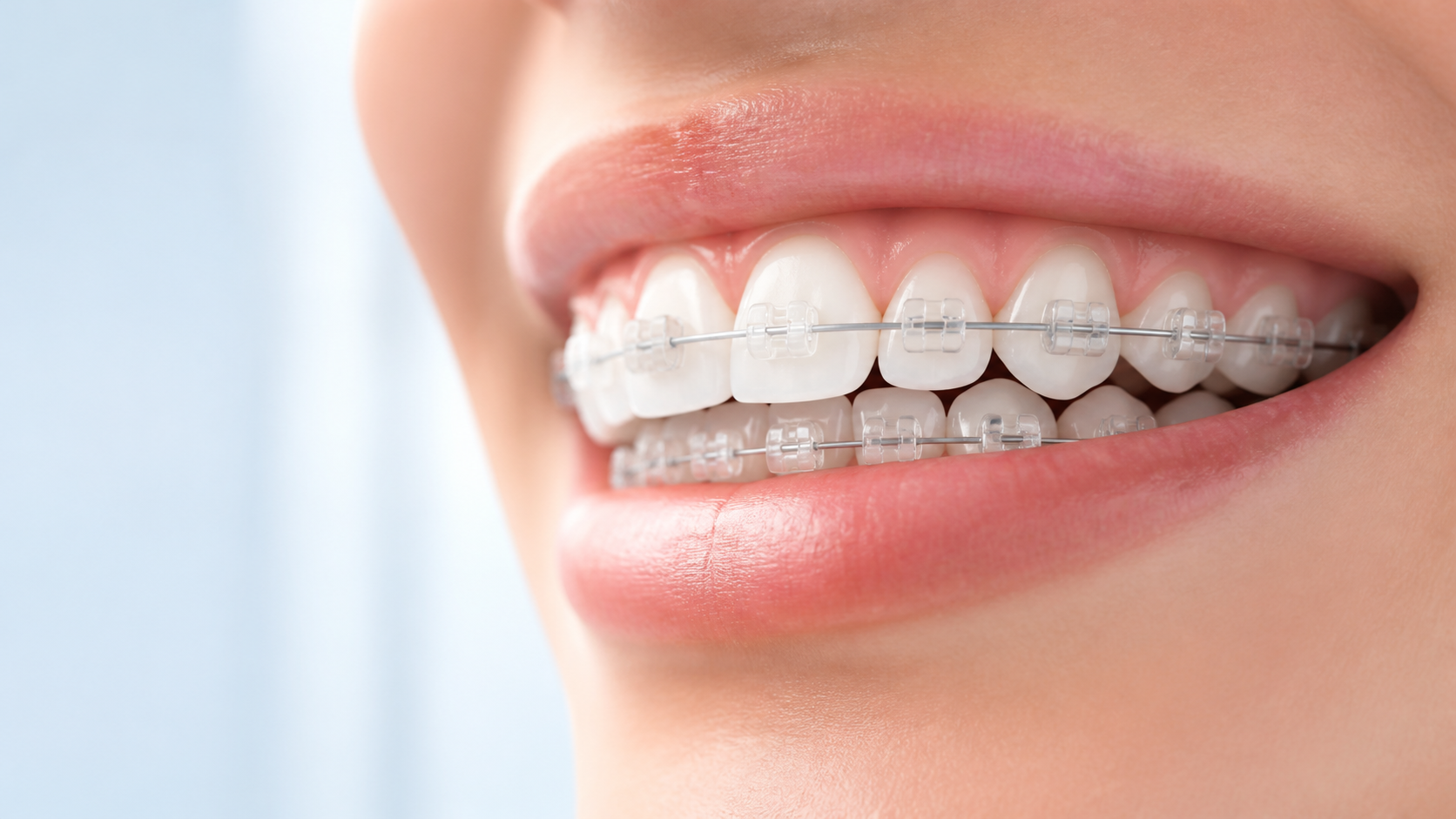
Key points in one minute
The main thing: braces are chosen according to the diagnosis and plan, and not according to someone else’s results
- The bracket system is fixed on the teeth: the arch through the clasps creates a controlled force, and the orthodontist consistently controls the movements.
- Before starting treatment, it is important to assess the bite, the condition of the teeth and gums, hygiene and the need for preparation; indications cannot be determined safely from a photograph.
- Metal, ceramic and other options differ in appearance and design, but the choice must be justified by the objectives of a specific plan.
- After removing braces, retention is usually necessary: without a retainer, teeth can gradually shift, so this stage is discussed with the doctor in advance.
What are braces and what problems do they solve?
Braces are a permanent orthodontic device. Small clasps are glued to the surface of the teeth, and an orthodontic arch passes through them. The arch and additional elements create measured forces, under the influence of which the teeth change position gradually. The doctor monitors this process during scheduled visits and, if necessary, adjusts the system.
The goal of treatment is broader than the straight teeth in the photo. The orthodontist evaluates crowding or spacing, position of individual teeth, jaw alignment, wear, risk of injury to protruding teeth, and ability to maintain hygiene. Aesthetics may be an important goal, but a safe plan takes into account the tissue around the teeth and the characteristics of the bite. Sometimes, for complex skeletal disorders, other methods are discussed, including treatment in a team with an oral and maxillofacial surgeon.
Braces are used in teenagers and adults. Age is not the only criterion: the child’s teething, the condition of the gums and bone tissue, active caries, existing restorations and general health factors are more important. Therefore, identical-looking crowding in two people may require different solutions.
Who can use braces and how to choose a system
The first step is consultation. Typically, the doctor collects complaints and goals, examines the teeth, gums, bite and function. Planning may require photographs, digital models or scans, and x-rays as indicated. This is not a formality: the data helps to assess what movements are possible, whether pre-treatment dental care is necessary and how to reduce risks.
Active caries and gum disease usually need to be stabilized before braces are placed. The device creates additional areas where plaque can accumulate; if hygiene is already difficult, the risk of white spots, tooth decay and inflammation may increase. The doctor also evaluates fillings, crowns, implants and periodontal factors - not every element of treatment is suitable for every patient without reservation.
Metal braces, ceramic systems, lingual structures and clear aligners are not a “better or worse” rating. They have different visibility, design and requirements for patient participation. Braces are fixed, whereas aligners need to be worn as prescribed and removed for meals and hygiene. Which tool solves the problem safely is determined after diagnostics, and not just by the desire to make the device invisible.
- What problem is planned to be corrected and what goals are realistic in my case?
- What needs to be cured or stabilized before the start?
- Why are braces proposed and not aligners or another option?
- What examinations are needed for the plan and what restrictions may change it?
How the treatment works: from preparation to retention
After diagnosis, the doctor discusses the plan: goals, possible preparation, type of device, timing guidelines, visits and care. The system is then fixed to the teeth. In the first days and after activations, pressure or sensitivity may be felt - this is a reason to follow the adaptation recommendations given by your doctor, and not change the arch or clasps yourself. Severe, increasing or unrelenting pain requires contact with the clinic.
During the active phase, follow-up visits are necessary. Their frequency is prescribed by the orthodontist: they evaluate the movement of the teeth, the condition of the tissues and the functioning of the elements, and carry out the planned changes. If the bracket comes off, the arch comes out of the fastening or injures the mucous membrane, it is important to inform the doctor. Do not attempt to cut, re-glue or rearrange parts yourself.
The duration of treatment is individual. It depends on the initial situation, the volume of movements, tissue reaction, the need for additional steps, the regularity of visits and the safety of the device. Reputable patient sources give a broad guideline - from several months for minor corrections to years in complex cases; it is possible to speak more precisely only after drawing up a plan.
| Stage | Why is it needed? | What depends on the patient |
|---|---|---|
| Diagnosis and plan | Determine goals, risks, preparation and appropriate apparatus. | Report complaints and treatment, ask questions, undergo prescribed examinations. |
| Fixation and adaptation | Set up the system and explain care, nutrition and communication procedures. | Follow the instructions and do not change the elements yourself. |
| Control | Monitor the movements and condition of teeth, gums and appliances. | Arrive on schedule, maintain hygiene, report any breakdowns. |
| Retention | Maintain the achieved position after the active stage. | Wear and maintain the retainer as prescribed by the orthodontist. |
Care, nutrition and everyday situations with braces
With braces, it is more difficult to clean your teeth: there are areas for plaque around the clasps, arches and at the edge of the gums. Generally, thorough brushing with fluoride toothpaste, interdental cleansing with suitable products, and regular dental checkups on an individual schedule are important. Your team will advise you on specific tools and techniques: they depend on the design, gum condition and habits.
Hard, sticky or very crunchy food can damage the appliance's components. It is safer to check with your orthodontist for a list of restrictions rather than relying on a universal list from the Internet. It often helps to cut hard foods into small pieces and avoid biting them with your front teeth. Sugary drinks and frequent snacking increase the risk of plaque and tooth decay, so hygiene and diet are especially important during this period.
If the edge of the arch rubs your cheek or lip, orthodontic wax may temporarily help, but it does not replace contact with a doctor if there is a problem with the device. Lost elastics, a loose clasp or a fallen archwire can affect the progress of treatment. Notify the clinic and follow the instructions received.
Limitations, risks and when you need a doctor
Orthodontic treatment requires patient participation and is not completely risk-free. Plaque around the appliance can contribute to enamel demineralization, caries and gum inflammation; breakdowns and irregular visits can disrupt the plan. For some people, the initial situation requires additional therapy, periodontal care, or another treatment option. The orthodontist must explain exactly your limitations before the active stage begins.
Contact your orthodontist if the pain is severe, increases or does not decrease after the adaptation period, the bracket has come off, the arch traumatizes the mucous membrane, or there is severe swelling or bleeding of the gums. Rapidly increasing swelling of the face or neck, fever with deterioration, difficulty swallowing or breathing require emergency medical attention according to local regulations. Do not wait for a scheduled appointment if you have these symptoms.
Braces are not a DIY solution for clicking joints, headaches, or jaw pain. These symptoms have different causes. If they appear or get worse, tell your doctor: a separate evaluation may be needed rather than changing the device based on online advice.
What result to expect and why retention is needed
A realistic outcome is the achievement of agreed goals within the framework of the original anatomy, tissue condition and chosen plan. You cannot promise the same smile shape, perfect bite, or exact deadline for every patient. The outcome is influenced by the complexity of the movements, compliance with recommendations, the health of the teeth and gums, and how the active and retention stages proceed.
Once the braces are removed, treatment usually does not end. Teeth tend to shift while the surrounding tissues adapt, and changes in position are possible later. To maintain the result, the orthodontist may prescribe a removable or non-removable retainer and a monitoring schedule. The regime is not universal: do not stop wearing your retainer and do not try to repair it yourself without approval.
If you live in Yerevan, are visiting from another city, or are planning treatment during a visit to Armenia, discuss the logistics of follow-up appointments and retention before starting. This is part of a safe plan and not an afterthought after installing the machine.
Save before your visit
Questions worth asking your dentist
- What diagnosis and goals guide my orthodontic plan?
- Which system is right for my situation and why, are there reasonable alternatives?
- What needs to be done before installing braces and how will the health of teeth and gums be monitored?
- What time frame is realistic, what could change it, and what will be the retention plan?
Sources
- Orthodontics — NHS
- Orthodontic treatments — NHS
- How Do Braces Work? — American Association of Orthodontists
- Oral Hygiene Tips During Orthodontic Treatment — American Association of Orthodontists


