
 23 Tumanyan St, Yerevan
Key points in one minute
Before your appointment
- Local anaesthesia numbs an area while you remain awake; it is different from sedation and general anaesthesia.
- The medicine and technique depend on the procedure, your health, medicines and previous reactions.
- Sharp pain during treatment is a reason to use your agreed stop signal and pause the procedure.
- While your mouth is numb, protect your lip, cheek and tongue from biting and burns.
What changes, and what you may still feel
Local anaesthesia aims to make a procedure manageable and allow the dentist to work without causing pain. It is used for fillings, root canal treatment, extractions and other procedures where painful stimulation is expected. Not every examination or dental task needs an injection; the need depends on the planned care.
Being numb does not remove every sensation. Touch, movement and pressure may remain. Before treatment, discuss how these differ from pain and agree on a gesture to ask for a break. Being able to pause is more useful than a promise that you will feel absolutely nothing.
The main local anaesthetic techniques
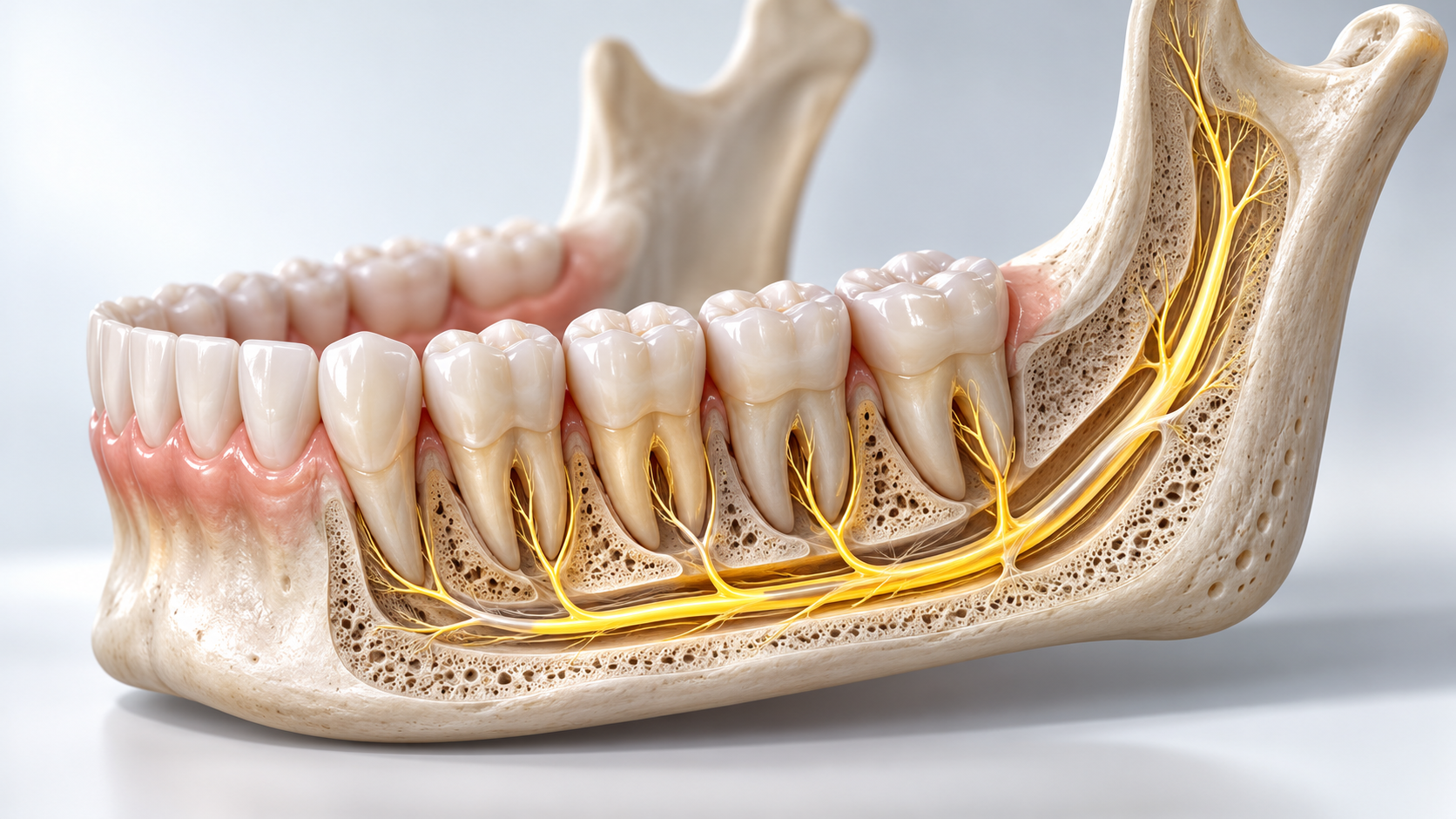
The medicine temporarily prevents nerves from carrying pain signals. The dentist selects the injection site according to the tissues that need numbing. An injection near a tooth and a block of a larger nerve branch affect different areas; neither is the best option for every situation.
A topical gel mainly numbs the surface of the lining of the mouth and may reduce discomfort from an injection. It does not usually replace deeper anaesthesia for treatment inside a tooth. Additional techniques are selected when needed, rather than because a patient has chosen a particular name in advance.
| Technique | Purpose | Limitation |
|---|---|---|
| Topical anaesthesia | Numb the surface of the mouth lining | Does not provide equivalent deep tooth anaesthesia |
| Infiltration | Act on nerve endings around a tooth | Effect depends on the tissues and injection site |
| Nerve block | Temporarily block a nerve branch | A wider area of the lip or tongue may become numb |
What to tell your dentist in Yerevan
Bring a list of all medicines and supplements, including doses. Tell the dentist about medical conditions, pregnancy or breastfeeding and any previous reaction during care. Heart and circulation conditions, abnormal heart rhythms and known medicine allergies are particularly relevant. Do not stop regular treatment yourself to prepare for a dental appointment.
If you felt unwell after a previous injection, describe what happened: how quickly it started, whether there was a rash, swelling, difficulty breathing, palpitations or fainting, and what help you received. Bring the discharge record and medicine name if available. Simply calling it an allergy does not provide enough detail for a safe plan. If language is a barrier, prepare a medicine list your dentist can understand.
Ask the clinic about eating, an escort and getting home. Do not apply instructions for general anaesthesia to an ordinary local anaesthetic appointment or fast on your own initiative. Preparation and restrictions may differ if sedation is planned.
Why the solution may contain adrenaline
Some local anaesthetic solutions include a vasoconstrictor, such as adrenaline. This helps keep the effect in the intended area and reduces local bleeding. Its presence does not automatically make the solution unsuitable for everyone with a heart condition. The dentist considers your condition, possible interactions and the appropriate amount.
Palpitations, shaking or dizziness after an injection need the dental team’s attention, but do not establish an allergy. Anxiety, a vasoconstrictor effect and other causes may be involved. True allergy to modern dental local anaesthetics is rare. Do not try to identify the cause yourself by arranging another trial injection.
Onset, duration and incomplete numbing
After the injection, the dentist allows time for it to work and checks sensation before beginning. Onset and duration vary with the medicine, technique, area and procedure. Soft tissues may remain numb for several hours, longer than the tooth itself stays anaesthetised. Ask for the expected time frame at your appointment.
A numb lip does not always mean the tooth is sufficiently anaesthetised. Anatomy, inflammation, the position of nerve branches and other factors can affect the result. If you feel sharp pain, use your agreed signal. The dentist can stop, reassess and decide whether to change technique, add anaesthesia or adjust the treatment plan. You do not need to stay silent and endure it until the procedure ends.
Sedation and general anaesthesia serve different purposes
Local anaesthesia targets pain in a particular area. Sedation reduces anxiety and changes alertness; local anaesthesia is often still required during dental treatment with sedation. General anaesthesia makes you unconscious and needs a different level of preparation and monitoring. A choice between these methods should not rest on an advertisement promising comfort.
If you are very anxious, discuss breaks, clear explanations and a separate planning visit. A decision about sedation or general anaesthesia follows assessment of your health, the extent of treatment and the risks. This article does not confirm that any particular technique is offered at Full Clinic; ask about the necessary arrangements during consultation.
Looking after your mouth afterwards
Until sensation returns, protect the numb area. Do not test it with your teeth or chew your lip or cheek, and avoid hot food and drinks. Children need supervision to prevent biting injuries. Ask separately when and what you can eat after your particular procedure: extraction instructions may differ from those after a filling.
Mild soreness at the injection site and gradually fading numbness can occur. Obtain written instructions and a contact number. If you need pain relief after treatment, the plan should account for your health and other medicines. Local anaesthesia does not replace that plan and is not a reason to start antibiotics yourself.
Expected effects and when to get help
Contact the clinic if numbness is not reducing within the time the dentist advised, remains the next day, worsens or comes with unusual weakness or pain. Increasing swelling, fever or feeling more unwell after treatment also need assessment. Do not assume that every symptom is caused by the injection.
Tell the team immediately if you suddenly feel unwell during your visit. Difficulty breathing, tongue or throat swelling, fainting without prompt recovery, seizures or severe chest pain require emergency medical help. Do not wait at home for the anaesthetic to wear off when these symptoms occur.
Save before your visit
Questions worth asking your dentist
- Which anaesthetic technique does my procedure need, and why?
- How will you account for my conditions, medicines and previous reactions?
- How will we check the effect, and what signal should I use to ask you to stop?
- How long should numbness last, and whom should I call if it persists?
Sources
- Local anaesthetic — NHS
- Managing reactions to dental local anaesthetic injections — NHS Specialist Pharmacy Service
- Anesthesia and Sedation — American Dental Association


