
 23 Tumanyan St, Yerevan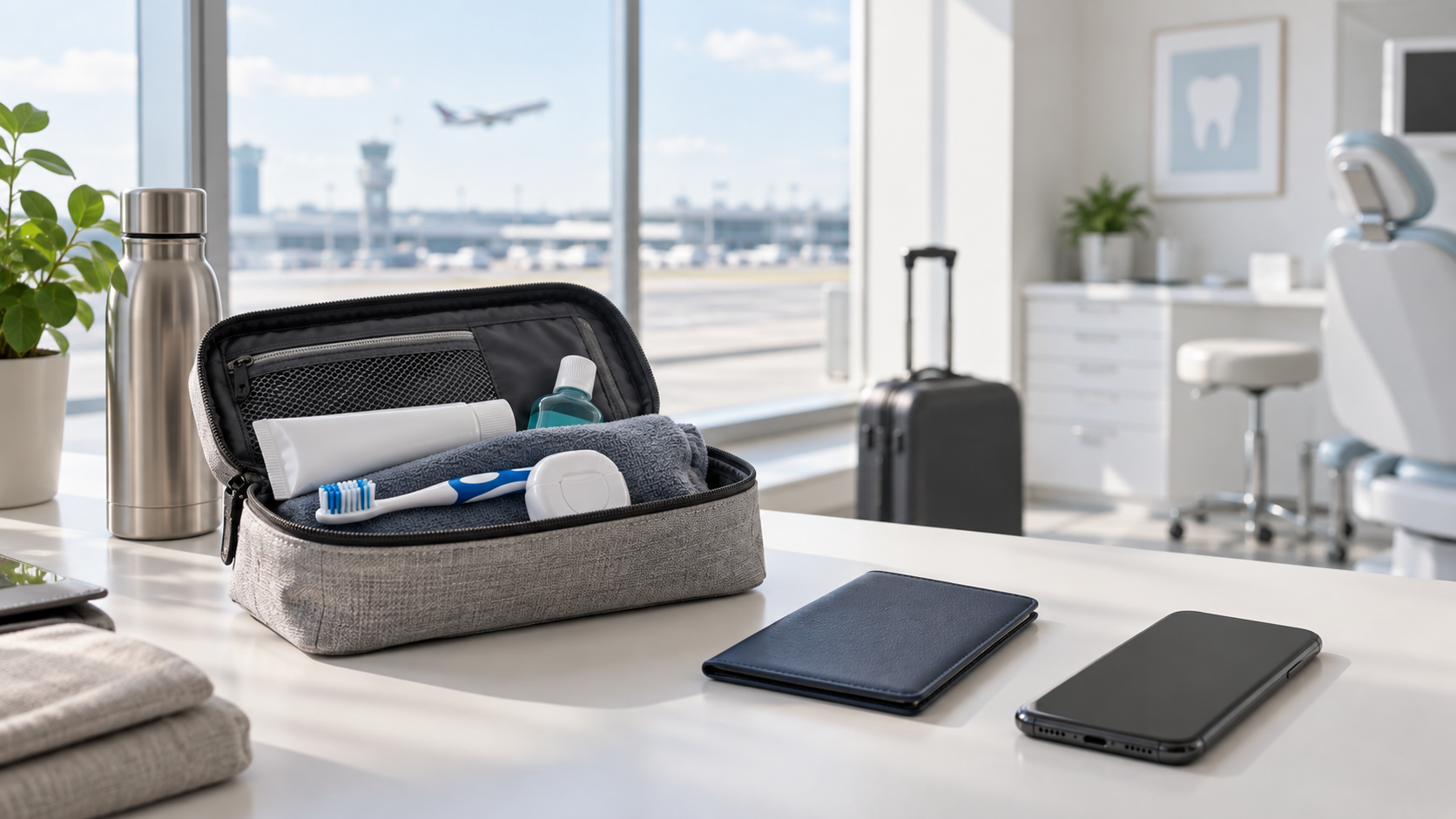
Key points in one minute
Key point: breathing or swallowing difficulty, rapidly increasing swelling, major trauma, or uncontrolled bleeding require emergency help; otherwise arrange an in-person assessment promptly.
- Rapid swelling of the face or neck, difficulty breathing or swallowing, trauma with loss of consciousness, and uncontrolled bleeding are reasons for emergency care rather than waiting for an appointment.
- Do not start leftover antibiotics or put irritating substances on a tooth; the cause of dental pain needs an in-person assessment and may require dental treatment.
- If a crown or filling comes out, keep the piece, do not use household glue, and avoid chewing on that side until you are seen.
- After an extraction or other procedure, the surgeon and airline should advise on flying according to the procedure, recovery, and their requirements.
Step 1. Assess urgency first
Pain, sensitivity, or a small local swelling are reasons to contact a dentist at the earliest available time, especially when symptoms are getting worse or preventing sleep and eating. Sensations alone cannot reliably distinguish decay, pulp inflammation, gum disease, a crack, or a complication after treatment; an examination and sometimes imaging are needed.
Do not wait for a routine appointment if swelling is rapidly spreading across the face or neck, breathing or swallowing is difficult, there is marked weakness, fever, confusion, or heavy bleeding that does not stop. After facial trauma, loss of consciousness, vomiting, visual changes, or a possible fracture also require urgent assessment.
- Immediately: a threat to breathing or swallowing, rapidly increasing swelling, major trauma, or uncontrolled bleeding.
- Today: severe or worsening pain, clear swelling, pus, fever, or a broken tooth injuring soft tissues.
- Soon: a lost filling or crown, a chip without severe pain, recurring sensitivity, or discomfort on chewing.
Step 2. Safe actions before the appointment
Record when the problem began, what triggers it, whether there was trauma or recent treatment, and any allergies, long-term conditions, and regular medicines. If it does not delay seeking care, a neutral photo may document a change. Previous images and discharge notes can help a dentist in Yerevan or elsewhere.
Keep up gentle usual oral hygiene, choose soft food, and avoid loading the painful side. Do not use sharp objects to remove food. Ask a clinician or pharmacist about pain relief, contraindications, and interactions with your medicines; this article cannot provide individual medication advice.
Step 3. What not to do
Do not place alcohol, acid, tablets, garlic, or other irritants on the gum or tooth. They can injure the mouth lining without treating the source of pain. Do not lance a swelling, file a sharp edge yourself, or use household glue for a crown, veneer, or denture.
Do not postpone an examination simply because pain settles for a while. Inflammation can fluctuate, and some cracks or cavities are difficult to see without an examination. Do not start or share leftover antibiotics; a clinician must assess the need, allergy risk, and interactions.
- Do not apply heat to swelling or massage it.
- Do not chew on the painful side or test the tooth with hard food.
- Tell the clinician about pregnancy, chronic conditions, allergies, and every medicine you take.
Common situations on a trip or at work
If a crown, inlay, or filling comes out, keep it in a clean container if it can be recovered safely. Do not try to reattach it yourself. With a chip, avoid very hot, cold, and hard food; a sharp edge cutting the tongue or cheek is a reason to accelerate the visit.
If a permanent tooth is completely knocked out after an injury, time is particularly important. Do not touch the root; if visibly dirty, briefly rinse it with clean water and seek emergency dental care. Do not delay this for a flight or work schedule. Management of an injured baby tooth differs, so a child also needs an in-person assessment.
| Situation | Before the visit | What to tell the dentist |
|---|---|---|
| Pain without swelling | Protect the tooth and arrange a visit | Start time, hot/cold response, recent treatment |
| Lost crown or filling | Keep the piece; do not use glue | Type and age of restoration, pain |
| Chip or injury | Keep the fragment; do not load the tooth | How the impact happened, mobility, headache or nausea |
| After a procedure | Follow the written post-operative instructions | Procedure date and type; change in pain, swelling, or bleeding |
Travel, flying, and a recent procedure
Before travelling, save the contacts for your clinic, insurer, and local emergency services. Carry a list of medicines and allergies and, if available, discharge notes. It is sensible not to defer existing pain or a broken restoration before an important journey, because access to investigation and follow-up can be limited away from home.
There is no single safe waiting period for flying after extraction or dental surgery. It depends on the extent of treatment, a possible sinus connection, anaesthesia, bleeding, infection, recovery, and airline policy. Do not rely on one universal number online: ask the operating surgeon for individual instructions and check with the carrier.
- Keep documents, contacts, and the surgeon's aftercare sheet in hand luggage.
- Do not alter prescribed treatment or stop medicines without contacting the treating team.
- If symptoms worsen after a procedure, use the contacts supplied by the surgeon rather than informal advice.
Preparing for in-person care in Yerevan
When calling, briefly state the main symptom, when it began, any injury or recent procedure, fever, and swelling. This does not replace diagnosis, but helps a clinic assess how urgently you need to be seen. Medical travellers and people on work trips may find digital copies of previous images and discharge notes especially useful.
At the appointment, ask what diagnosis is being considered, whether imaging is needed, what the immediate goal is, and what alternatives exist. Request clear written aftercare and a plan for contact if you become worse. Final decisions about treatment, travel timing, and cost can only follow an in-person assessment.
Save before your visit
Questions worth asking your dentist
- Which signs in my situation mean I need help today rather than tomorrow?
- Do I need imaging, and can I receive a digital copy for continued travel?
- Which post-procedure restrictions apply specifically to me and to flying?
- Where should I seek help if symptoms become worse outside clinic hours?
Sources
- Oral health — World Health Organization
- Antibiotics for Dental Pain and Swelling Guideline — American Dental Association
- Dental extractions: post-operative instructions — University College London Hospitals NHS Foundation Trust
- Ministry of Health of the Republic of Armenia statute — Ministry of Health of the Republic of Armenia


