
 23 Tumanyan St, Yerevan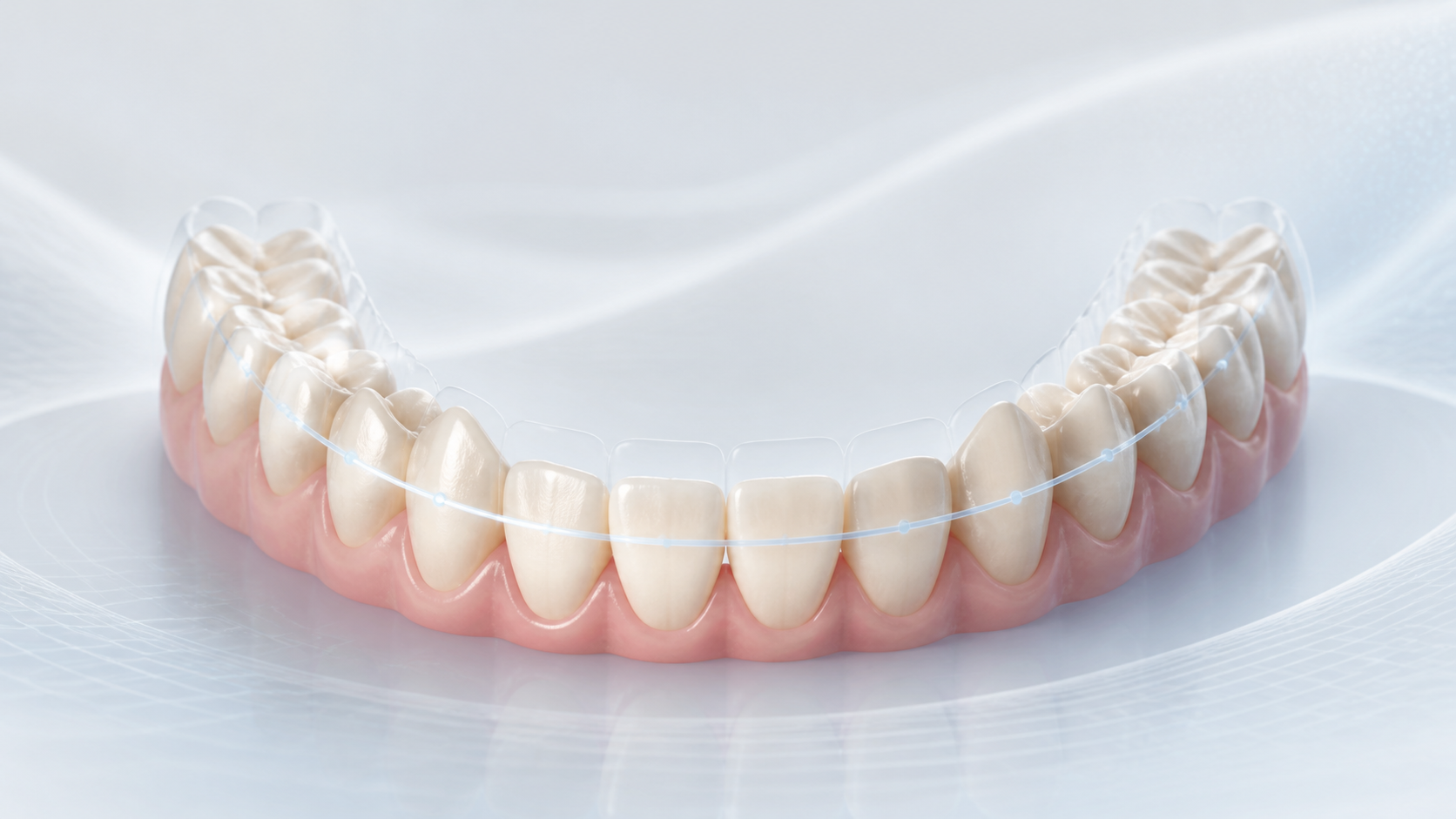
Key points in one minute
The main thing: the device is chosen not by appearance, but by diagnosis and plan
- Orthodontics moves teeth and corrects their alignment patterns within an individual plan; it does not make a diagnosis based on photographs and does not give the same result to everyone.
- Braces and clear aligners are different tools: their applicability depends on the complexity of movements, bite, condition of teeth and ability to follow recommendations.
- Before starting treatment, it is important to treat active caries and gum inflammation, because hygiene during treatment becomes more difficult and especially important.
- After the active stage, retention is usually needed: teeth can move, so the type and mode of the retainer is determined by the orthodontist.
What is it and what problem does orthodontics solve?
Orthodontic treatment uses controlled forces to gradually change the position of teeth. The doctor evaluates not only the unevenness of the smile, but also how the teeth fit together, whether there is enough space in the row, how the jaws work, whether there is wear, injury to protruding teeth, or difficulties with hygiene. Aesthetics can be an important goal, but the plan should not be limited to a straight line in the photo.
Treatment is possible in children, adolescents and adults, but age alone does not answer the question of indications. In adults, it is especially important to evaluate the condition of the gums, bone tissue, existing restorations and general health factors. Sometimes therapeutic or periodontal treatment is required first; sometimes it makes more sense to discuss another path.
Who is it suitable for and how does the diagnosis begin?
The consultation usually begins with the patient's complaints and goals, examining teeth, gums, bite and function. If necessary, the physician will use diagnostic photographs, scans or impressions, and x-rays as indicated. This data helps to understand which movements are safe, whether preparation is needed and how the results will be maintained.
Active caries, severe gum inflammation, poor plaque control or unresolved dental problems are not details that can be ignored for the sake of a quick start. Orthodontic appliances make it difficult to clean some areas, and the initial condition of the tissue affects the safety of the plan. Do not start or change treatments remotely.
- What is the problem: crowding, spacing, protruding teeth, occlusion, wear, or a combination of reasons.
- What is the condition of teeth, gums, bone tissue, existing crowns, fillings and implants.
- What surveys are really needed specifically for planning, and not just for the “full package”.
- Do you need preparation of the oral cavity, consultation with another specialist, or observation by the treating dentist?
- What goals are achievable, what compromises are possible, and how progress will be measured.
Braces and aligners: how to discuss the choice without ratings
Braces are fixed on the teeth and work together with arches and additional elements. Transparent aligners are removable individual aligners that the patient must wear according to the prescribed regimen. Both options can be part of an effective plan, but are not interchangeable in every case. The choice depends on the required movements, occlusion, dental condition, hygiene and willingness to follow recommendations.
The name of the system, the material or the discreetness of the device do not replace clinical rationale. Ask what problem the proposed device solves, what actions depend on you, how progress will be tracked, and what happens if the device breaks, is lost, or is not worn regularly.
| Question | Why is it important | What to clarify |
|---|---|---|
| Purpose of movement | Determines which device and additional elements may be needed. | What teeth and bite features are planned to be corrected? |
| Patient participation | Removable appliances depend on regular wear and proper storage. | What regimen is needed and how will the doctor see that the plan is on schedule? |
| Hygiene | Plaque around the appliance increases the risk of tooth decay and gum disease. | Which cleaning products and techniques are suitable for my situation? |
| Deadlines | The duration depends on the complexity, tissue reaction and adherence to the plan. | What benchmark is possible and why might it change? |
| Retention | Without retention, teeth may shift after the active stage. | Which retainer and regimen are likely after treatment? |
How the treatment works in stages
After diagnosis, the orthodontist explains the goals, stages and expected limitations and agrees the plan with the patient. Braces are then fitted or aligners provided, followed by review visits and adjustments when clinically needed. Pressure or short-term sensitivity may occur after fitting or activation, but severe, increasing or persistent pain requires contacting the clinic rather than adjusting the appliance yourself.
The duration of treatment is individual. It depends on the initial situation, the volume of movements, the condition of the tissues, the need for additional steps and compliance with recommendations. It is not safe to speed up the process using home methods by changing mouthguards or braces yourself.
Hygiene, restrictions and situations when a doctor is needed
During treatment, regular brushing with fluoride paste, cleansing of spaces, and professional examinations on an individual schedule are especially important. Braces create additional areas for plaque; when using aligners, it is important to clean the teeth and aligners themselves as recommended by your doctor. Eating restrictions with fixed appliances can help reduce the risk of failure, but accurate advice should be part of your plan.
Contact your orthodontist if pain does not settle several days after fitting or adjustment, the gums become very red, swollen or painful, the appliance breaks, the wire injures the mouth, or an aligner no longer fits. Rapidly increasing swelling of the face or neck, fever with worsening general condition, or difficulty swallowing or breathing requires urgent medical attention.
Retention: why treatment does not end on the day the device is removed
After active tooth movement, the surrounding tissues need time to adapt, and the teeth can gradually change position further. Therefore, a retainer—removable or fixed—is usually part of orthodontic treatment. The specific type, wearing mode and monitoring schedule are selected by the doctor, and not by a universal article.
Save the recommendations and contact us if your retainer is broken, lost, deformed, or no longer fits. Do not try to return it by force: this may damage the device or your teeth. If you live in Yerevan, are coming from another city, or are planning treatment during a visit to Armenia, discuss in advance where and how control and services will take place.
Save before your visit
Questions worth asking your dentist
- What diagnosis and what functional or aesthetic goal is the basis of my plan?
- Why are braces, aligners or another device offered in my case and what alternatives are there?
- What needs to be cured or stabilized before the start and how to maintain hygiene during treatment?
- What risks, restrictions, estimated time frames and retention plan are important for me to understand in advance?
Sources
- Orthodontics — NHS
- Orthodontic Treatment Options — American Association of Orthodontists
- Braces — NHS


